Exploring DAG Technology in Blockchain Innovation
What is a directed acyclic graph (DAG)?
Directed acyclic graph (DAG) technology represents a significant innovation in the cryptocurrency and blockchain space. As the fintech industry continues to evolve, DAG has emerged as an alternative approach to traditional blockchain technology, offering unique advantages in transaction processing and network efficiency. This technology has garnered attention from both developers and investors who seek solutions to blockchain's inherent limitations.
TL;DR
DAG technology offers several key advantages over traditional blockchain systems. It achieves faster transaction speeds and enhanced scalability by eliminating the block creation and mining process. The structure organizes transactions as interconnected nodes rather than sequential blocks, which significantly reduces energy consumption and improves overall efficiency. One of the most attractive features is the minimal or zero transaction fees, making the application of DAG particularly suitable for micropayment systems and IoT networks. However, it's important to understand that DAG is not designed to replace blockchain entirely, but rather to provide an alternative solution for specific use cases. While the technology shows considerable promise, it still faces challenges, including centralization concerns and the need to prove its long-term viability at scale.
DAG vs blockchain technology
A directed acyclic graph (DAG) represents a fundamentally different approach to data structuring compared to traditional blockchain technology. While blockchain has become the dominant technology in the cryptocurrency industry, DAG offers an alternative methodology that some enthusiasts refer to as a "blockchain killer." However, whether DAG will actually replace blockchain remains uncertain and depends on future technological developments and market adoption.
The architectural foundation of DAG relies on a network of circles and lines, where each circle (vertex) represents individual transactions that need to be added to the network. The lines (edges) connecting these vertices indicate the sequence and order in which transactions receive approval. A crucial characteristic of this system is its unidirectional flow—lines only move in one direction, which explains the "directed" aspect of the name. Additionally, the "acyclic" nature means that vertices never loop back on themselves, preventing circular references in the transaction structure.
This data modeling approach proves particularly valuable for observing relationships between multiple variables and determining how they interact with each other. In cryptocurrency applications, DAG technology helps projects achieve consensus across distributed networks without the traditional block-mining process. Notably, transactions aren't grouped into blocks but instead build directly upon one another, creating a more streamlined and faster transaction processing system compared to conventional blockchain technology.
What's the difference between a DAG and a blockchain?
While DAG and blockchain serve similar fundamental purposes in the cryptocurrency ecosystem, they differ significantly in their structural approach and operational mechanics. The most prominent difference lies in how transactions are organized and processed. Traditional blockchains create sequential blocks that contain multiple transactions, whereas DAG systems build transactions directly on top of previous ones without the intermediate step of block creation.
Visually, these technologies appear quite different. Blockchain networks resemble a linear chain of connected blocks, which gives the technology its name. In contrast, DAG systems display a graph-like appearance with their interconnected circles and lines, creating a more complex web of transaction relationships. This structural difference impacts not only how the systems look but also how they perform, with DAG generally offering advantages in transaction speed and scalability.
How does DAG technology work?
The operational mechanics of DAG technology create an elegant system of mutual verification and network growth. The system comprises circles (vertices) and lines (edges), where each vertex represents an individual transaction. When users want to submit a new transaction to the network, they must first confirm one or more previous unconfirmed transactions, called "tips." This creates a self-sustaining verification system where every participant contributes to network security and transaction validation.
Once a user confirms the required tips, their transaction becomes the new tip in the system, waiting for subsequent users to confirm it as part of their own transaction submissions. This creates a continuously growing network of verified transactions, building layer upon layer without the need for traditional mining or block creation.
The system incorporates robust protection against double-spending attacks through its verification process. When nodes confirm older transactions, they examine the entire transaction path back to the initial transaction, verifying that sufficient balances exist and all previous transactions are legitimate. Users who attempt to build on invalid transaction paths risk having their own transactions ignored by the network, even if their individual transaction is legitimate. This creates a strong incentive for honest participation and ensures the integrity of the entire network.
What is DAG used for?
The application of DAG technology serves multiple important functions in the cryptocurrency ecosystem, primarily focused on improving transaction processing efficiency. By eliminating blocks and the associated waiting times, DAG systems allow users to submit unlimited transactions, provided they fulfill the requirement of confirming previous transactions. This creates a more fluid and responsive network compared to traditional blockchain systems.
Energy efficiency represents another significant advantage demonstrated through various applications of DAG. While traditional Proof of Work (PoW) blockchain systems require substantial computational power for mining operations, DAG-based cryptocurrencies consume only a fraction of this energy. Although some DAG systems still utilize PoW consensus mechanisms, they implement them in ways that dramatically reduce power consumption and environmental impact.
The application of DAG in micropayment processing showcases one of its most compelling use cases. Traditional blockchain systems often struggle with small transactions because processing fees can exceed the payment amount itself. DAG technology addresses this problem by eliminating or minimizing processing fees, requiring only small node fees that remain stable even during periods of network congestion. This makes the application of DAG particularly suitable for systems requiring frequent, small-value transactions.
Another promising application of DAG involves Internet of Things (IoT) networks, where devices need to communicate and transact with each other rapidly and efficiently. The feeless nature and high throughput of DAG systems make them ideal for machine-to-machine transactions in smart cities, supply chain management, and automated systems.
The application of DAG also extends to data integrity verification, decentralized storage solutions, and real-time payment systems. These diverse implementations demonstrate the versatility of DAG technology across various sectors beyond traditional cryptocurrency transactions.
Which cryptocurrencies use DAG?
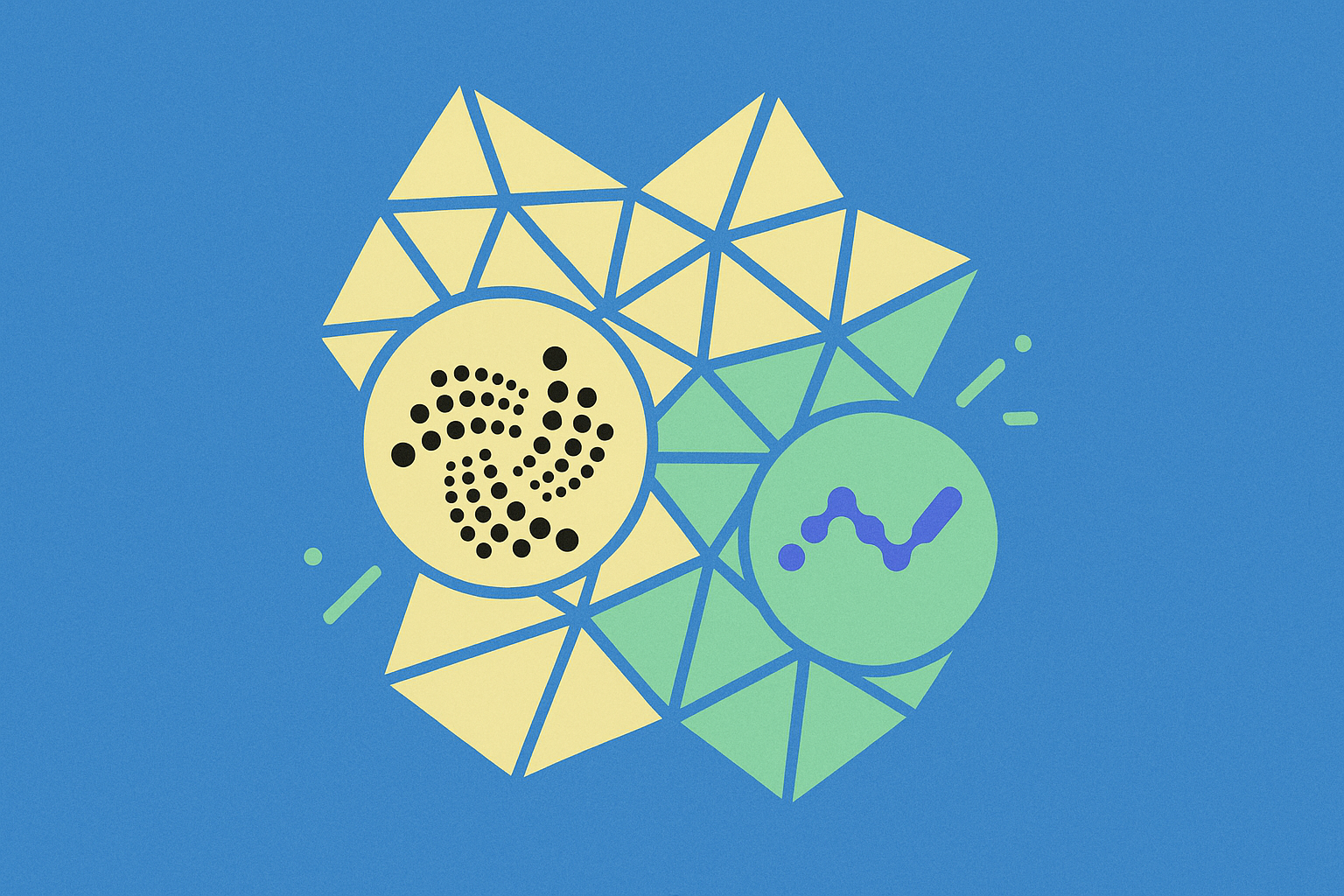
Despite the theoretical advantages and diverse application of DAG technology, only a limited number of cryptocurrency projects have implemented it in practice. IOTA stands as one of the most prominent examples, with its name serving as an acronym for Internet of Things Application. Launched in 2016, IOTA has built its reputation on fast transaction speeds, excellent scalability, robust security, strong privacy protections, and reliable data integrity. The project uses a system of nodes and tangles—combinations of multiple nodes that validate transactions collectively. Every user participates in the consensus mechanism by verifying two other transactions before their own is approved, creating a truly decentralized network structure. The application of DAG in IOTA has proven particularly effective for IoT ecosystems.
Nano represents another significant application of DAG implementation, though it takes a hybrid approach by combining DAG and blockchain technologies. The system sends and receives all data through nodes, while each user maintains their own blockchain-based wallet. Transaction verification requires participation from both sender and receiver, creating a dual-verification system. Like IOTA, Nano has earned recognition for its fast transaction speeds, scalability, security, privacy features, and notably, zero transaction fees.
BlockDAG offers a more recent implementation of DAG technology, providing energy-efficient mining rigs and a mobile application for mining BDAG tokens. The project distinguishes itself through a unique halving schedule—while Bitcoin halves its rewards every four years, BDAG implements a halving mechanism every 12 months, creating a different economic model for token distribution. This represents an innovative application of DAG principles to tokenomics.
Other projects exploring the application of DAG include Hedera Hashgraph, which uses a gossip protocol combined with DAG structure, and Fantom, which implements DAG technology for decentralized finance applications. These projects continue to expand the practical applications of DAG across different use cases.
DAG pros and cons
Like any technology, the application of DAG presents both significant advantages and notable limitations that must be considered when evaluating its potential implementations.
On the positive side, the application of DAG offers exceptional transaction speed because it isn't constrained by block time limitations. Users can process transactions at any moment without waiting for block confirmation, with the only requirement being the verification of previous transactions. This eliminates the bottlenecks commonly associated with blockchain systems.
The cost structure of DAG systems proves particularly attractive, with zero or minimal transaction fees. Since there's no mining process requiring compensation, users avoid the high fees associated with traditional blockchain networks. Some DAG implementations require small fees for specialized nodes, but these remain significantly lower than typical blockchain transaction costs, making the application of DAG ideal for micropayments and high-frequency transactions.
Energy efficiency represents another crucial advantage in the application of DAG. DAG systems don't utilize PoW consensus algorithms in the same manner as traditional blockchains, resulting in substantially lower power consumption and minimal carbon footprints. This addresses one of the major criticisms of cryptocurrency technology and makes the application of DAG more environmentally sustainable.
Scalability issues that plague many blockchain networks don't affect the application of DAG systems in the same way. Without block time constraints and waiting periods, DAG networks can handle increasing transaction volumes more gracefully, though this advantage comes with certain caveats.
However, the application of DAG technology also faces significant challenges. Decentralization remains a concern for many DAG implementations, with some protocols incorporating centralized elements as temporary solutions during network bootstrapping. These third-party interventions help protect against attacks during the early stages, but the technology hasn't yet proven it can maintain security and efficiency without such interventions at scale.
Additionally, the application of DAG hasn't undergone the same rigorous real-world testing as established blockchain protocols. While the technology has existed for several years, it hasn't achieved widespread adoption comparable to Layer-2 blockchain solutions or other scaling technologies. This limited deployment means potential issues or advantages may remain undiscovered until the technology sees broader implementation.
Conclusion
Directed acyclic graph technology represents a fascinating innovation with considerable potential in the cryptocurrency space. The application of DAG offers compelling advantages—including lower transaction fees, enhanced scalability, reduced energy consumption, and faster processing speeds—making it an attractive alternative to traditional blockchain systems for specific use cases. However, the technology remains relatively young and continues to evolve compared to established blockchain solutions.
Current limitations, particularly regarding decentralization and proven scalability at large scale, prevent the widespread application of DAG from fully challenging blockchain's dominance in the cryptocurrency industry. The technology continues to mature, with both its limitations and possibilities yet to be fully explored and understood.
Nevertheless, the advantages demonstrated through the application of DAG look promising for future development. The cryptocurrency community watches with interest as the technology evolves and new use cases emerge. Rather than viewing the application of DAG as a replacement for blockchain, it's more accurate to see it as a complementary technology that offers alternative solutions for specific applications, particularly those requiring high-speed micropayments, IoT connectivity, and energy-efficient operations.
As the technology matures and more projects implement DAG-based solutions, we continue to gain better understanding of its true potential and appropriate applications in the broader cryptocurrency ecosystem. The future success of DAG will likely depend on how effectively developers can address current limitations while capitalizing on its inherent advantages. The application of DAG in real-world scenarios will ultimately determine whether it can fulfill its promise as a viable alternative or complement to traditional blockchain technology.
FAQ
What are DAGs used for?
DAGs are used for optimizing data flow, enhancing scalability, and improving transaction speed in blockchain networks. They enable parallel processing and eliminate the need for miners, making cryptocurrencies more efficient and eco-friendly.
What does the DAG stand for?
DAG stands for Directed Acyclic Graph, a data structure used in blockchain technology to improve scalability and transaction speed.
Share
Content
How to Buy Cryptocurrency


Trending Cryptocurrencies



XZXX: A Comprehensive Guide to the BRC-20 Meme Token in 2025

Bitcoin Fear and Greed Index: Market Sentiment Analysis for 2025

Top Crypto ETFs to Watch in 2025: Navigating the Digital Asset Boom

5 ways to get Bitcoin for free in 2025: Newbie Guide
Bitcoin Market Cap in 2025: Analysis and Trends for Investors

2025 Bitcoin Price Prediction: Trump's Tariffs' Impact on BTC
Guide to Using ENS Wallet for Web3 Integration
Guide to Purchasing Virtual Real Estate in the Metaverse

Beginner's Guide to Understanding Cryptocurrency White Papers
Exploring Bitcoin's Stock-to-Flow Model: A Comprehensive Valuation Guide
Understanding the Bitcoin Stock-to-Flow Model