Exploring Utility Tokens in Blockchain Technology
Utility Tokens 101
Utility tokens represent a significant evolution in the cryptocurrency ecosystem, expanding beyond the original vision of digital currencies as simple peer-to-peer payment systems. While pioneering cryptocurrencies like Bitcoin and Litecoin focus primarily on value transfer across decentralized networks, crypto tokens with utility introduce a new paradigm by enabling unique online experiences and functionalities within specific decentralized platforms.
Crypto Coins Versus Tokens: A Brief Overview
Understanding the distinction between coins and tokens is fundamental to navigating the cryptocurrency landscape. A coin is a digital asset that operates on its own proprietary blockchain and serves essential functions within that network. Bitcoin exemplifies this concept, as it exists on the Bitcoin blockchain and facilitates value transfers, fee payments, and node incentivization. Coins are integral to their blockchain's core operations and cannot exist independently of their native networks.
Tokens, conversely, are secondary crypto projects built on top of existing blockchain infrastructures. They leverage the security and functionality of established blockchains without requiring their own separate networks. For instance, tokens on the Ethereum blockchain must adhere to Ethereum's predefined token standards, such as ERC-20 for fungible tokens or ERC-721 for non-fungible tokens (NFTs). This dependency on host blockchains provides tokens with robust security while allowing developers greater flexibility to create innovative applications. Token use cases extend far beyond simple value transfer, encompassing governance voting rights, virtual property in metaverse environments, and digital representations of real-world assets.
What are Utility Tokens?
Crypto tokens with utility are specialized cryptocurrencies designed to serve specific functions within decentralized protocols and applications. Unlike traditional cryptocurrencies that primarily function as stores of value or mediums of exchange, utility tokens provide access to particular services, products, or features within their respective ecosystems. The defining characteristic of a utility token is its functional purpose beyond mere price speculation—developers must demonstrate that their token plays an essential role in their application's operations.
The creation and distribution of utility tokens typically involves smart contracts, which are self-executing programs containing preprogrammed instructions. These smart contracts enable developers to design, launch, and manage their digital assets without intermediaries to oversee transactions. All information regarding a utility token's issuance, transaction history, and current allocation is publicly accessible through blockchain explorers, ensuring transparency in the ecosystem.
The distribution process for crypto tokens with utility often follows a structured approach. Developers typically pre-mine all tokens at once and distribute them through initial coin offerings (ICOs). Before public sales, project teams usually allocate portions to core team members, early supporters, and community members. Traders can monitor token distribution and allocation through blockchain explorers like Etherscan and cryptocurrency price aggregator platforms, which provide comprehensive data on token economics and circulation.
A Few Examples of Utility Tokens
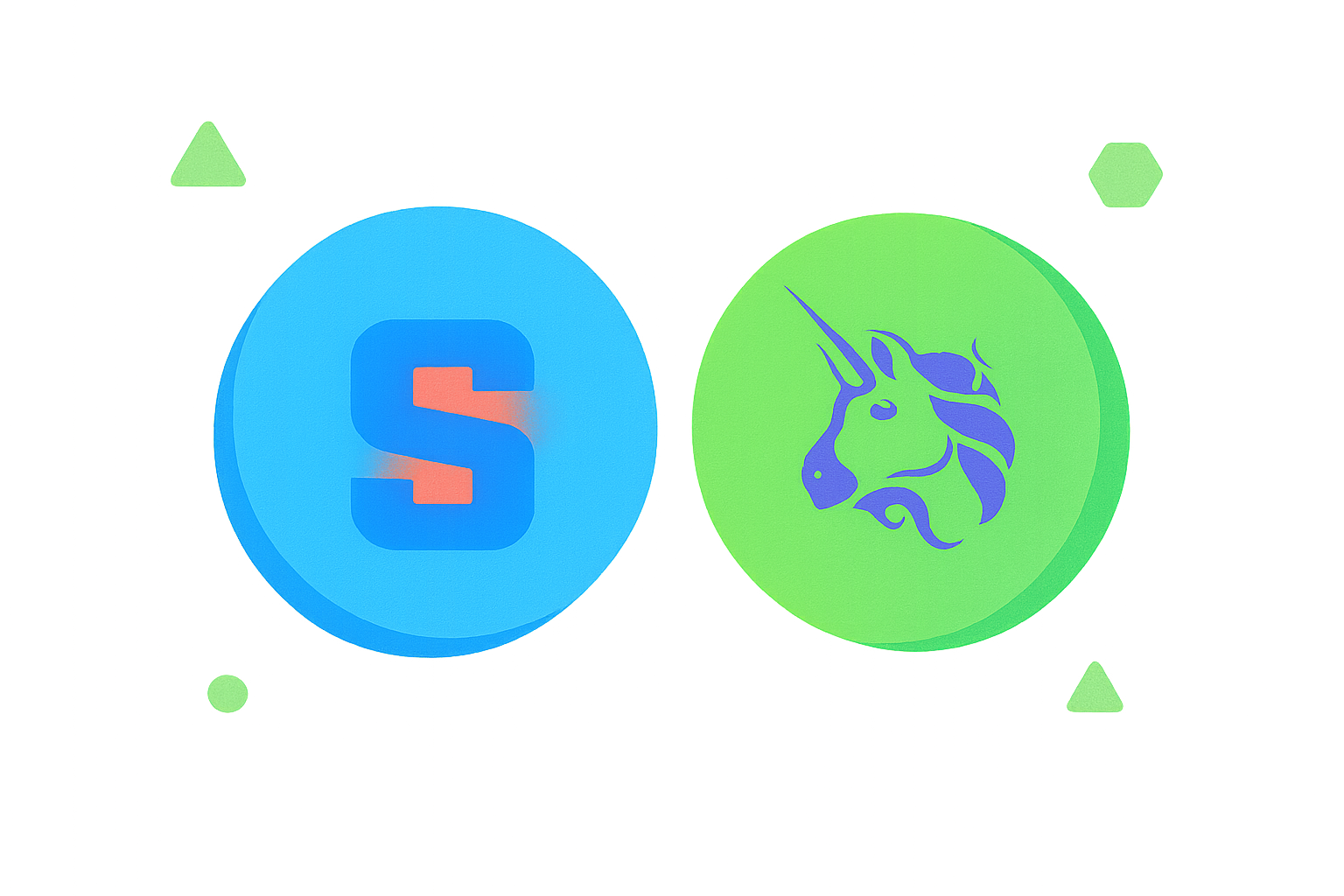
The utility token category encompasses diverse projects across various sectors of the cryptocurrency ecosystem. The Sandbox (SAND) operates within the gaming and metaverse space, offering an open-world virtual environment on the Ethereum blockchain where users can interact, develop virtual real estate, and participate in immersive experiences. Players earn SAND tokens through completing in-game quests and use these tokens as currency for virtual goods and services within the platform.
Uniswap (UNI) serves the decentralized finance sector as a governance token for a prominent decentralized trading platform. Operating on Ethereum and compatible blockchains including Polygon, Arbitrum, and Optimism, this platform facilitates peer-to-peer cryptocurrency swaps and liquidity provision. UNI token holders possess voting rights to influence the protocol's future development and governance decisions.
Lido Finance (LDO) addresses the staking infrastructure needs of proof-of-stake blockchains. The platform enables traders to stake cryptocurrencies on networks like Ethereum without technical complexity. As a governance token, LDO grants holders the ability to vote on proposals shaping the platform's evolution and operational parameters.
ChainLink (LINK) provides critical infrastructure through its decentralized oracle service, bridging the gap between blockchain networks and external data sources. The LINK token incentivizes network nodes to maintain security, transmit accurate information, and validate transactions. Users accessing ChainLink's oracle services must pay fees in LINK tokens, creating utility and demand for the cryptocurrency.
Basic Attention Token (BAT) revolutionizes digital advertising through the Brave browser ecosystem. Users earn BAT tokens by viewing advertisements and can allocate these rewards to content creators they support. The token creates a transparent, privacy-focused economy where user attention has measurable value, and various platforms integrate BAT for social media tipping functionality.
How do Crypto Traders Buy Utility Tokens?
Acquiring crypto tokens with utility involves multiple approaches depending on trader preferences and participation levels. The most straightforward method involves purchasing tokens through cryptocurrency trading platforms. Price aggregator websites provide comprehensive listings of platforms offering specific utility tokens, along with trading pair information. Traders can search for desired tokens on these platforms and identify suitable trading venues.
Alternative acquisition methods involve direct participation in decentralized applications (dApps). Blockchain games like The Sandbox, Axie Infinity, and Decentraland reward players with utility tokens for completing in-game activities, battles, or quests. These platforms distribute tokens like SAND, SLP, and MANA as incentives for active engagement and gameplay achievements.
Decentralized finance protocols offer another avenue for earning utility tokens. These platforms reward users who deposit cryptocurrency for trading, lending, or liquidity provision purposes. While these methods require greater time investment, technical understanding, and risk tolerance compared to direct purchases, they represent legitimate pathways for accumulating crypto tokens with utility while actively participating in protocol ecosystems.
Conclusion
Crypto tokens with utility represent a transformative development in the cryptocurrency sector, expanding the technology's applications far beyond simple value transfer. By serving specific functions within decentralized protocols and applications, utility tokens enable innovative online experiences, governance participation, and ecosystem engagement. The distinction between coins and tokens remains crucial for understanding the cryptocurrency landscape, with utility tokens leveraging established blockchain infrastructure to create diverse use cases. From gaming platforms like The Sandbox to DeFi protocols and infrastructure services like ChainLink, crypto tokens with utility demonstrate the versatility and evolving nature of blockchain technology. As the Web3 ecosystem continues developing, utility tokens will likely play an increasingly important role in shaping decentralized digital experiences, offering traders and users multiple pathways to participate in and benefit from these emerging ecosystems. Understanding utility tokens' fundamental characteristics, use cases, and acquisition methods positions participants to navigate this dynamic sector effectively.
FAQ
What are crypto utility tokens?
Crypto utility tokens are digital assets that provide specific functions or services within a blockchain ecosystem. They offer real-world utility beyond trading, powering decentralized applications and platforms.
Which crypto has utility?
XRP has high utility, used in financial transactions and cross-border payments. Ethereum supports smart contracts and DApps. Chainlink provides real-world data to blockchain networks.
Does crypto have any utility?
Yes, some cryptocurrencies offer utility. They can be used for payments, smart contracts, decentralized finance, and governance in blockchain networks.
Which crypto coin has 1000x potential?
Zano (ZANO) shows promising 1000x potential. It's a privacy-focused coin with advanced features and growing adoption.
Share
Content
How to Buy Cryptocurrency


Trending Cryptocurrencies



XZXX: A Comprehensive Guide to the BRC-20 Meme Token in 2025

Bitcoin Fear and Greed Index: Market Sentiment Analysis for 2025

Top Crypto ETFs to Watch in 2025: Navigating the Digital Asset Boom

5 ways to get Bitcoin for free in 2025: Newbie Guide

Bitcoin Market Cap in 2025: Analysis and Trends for Investors
2025 Bitcoin Price Prediction: Trump's Tariffs' Impact on BTC
Xenea Daily Quiz Answer December 13, 2025
Guide to Bridging Assets to the Polygon Network

Guide to Integrating Polygon Network with Your Crypto Wallet
Beginner's Guide to Secure Digital Asset Storage with BEP2
Guide to Bridging Assets to Polygon PoS Network