Rumor Background and Political Context
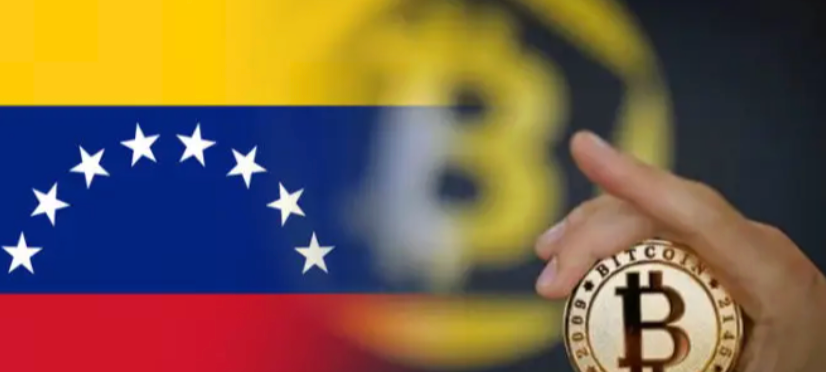
(Source: BlockBeatsAsia)
A striking rumor has recently made the rounds in the market: the Venezuelan government may be holding Bitcoin assets worth about $60 billion. This rumor spread rapidly, not because of a single news item, but due to its overlap with a series of concurrent political events.
On one side, judicial and diplomatic developments involving Venezuela’s President Nicolás Maduro in the United States have continued to escalate. On the other, former U.S. President Donald Trump’s public comments about total control over Venezuela’s resources have been interpreted by the market as signals of rising geopolitical tensions. In this climate, crypto assets have naturally become a focal point for public debate and market speculation.
Moreover, Maria Corina Machado—a longtime Bitcoin advocate and a central figure in the opposition—is viewed as a key player in future political power shifts. She has repeatedly stressed the importance of Bitcoin for Venezuela’s economic sovereignty and financial freedom, further expanding the narrative around the country’s potential Bitcoin reserves.
How Is the Market Responding?
As the rumor spread across social media and crypto communities, Venezuela’s Bitcoin reserves quickly became a hot topic. Some market watchers argue that if the U.S. intervenes, escalates sanctions, or there is a regime change, the ownership and movement of these potential Bitcoin assets could become a core factor shaping the market in the short term.
In this environment of high narrative uncertainty, even without verifiable on-chain evidence, the news itself is enough to sway investor sentiment and impact short-term liquidity and price expectations. This scenario exemplifies the crypto market’s acute sensitivity to political signals.
Bullish and Bearish Perspectives
Market participants have developed diverging interpretations of this topic:
Bullish View
Those with a bullish outlook generally believe the $60 billion Bitcoin reserve claim is clearly exaggerated, with the actual holdings likely closer to just 240 BTC. Given the high transparency of Bitcoin’s blockchain, any true large-scale national holdings would have already been identified through on-chain tracking tools.
The market’s response to the possibility of U.S. seizure or control of Bitcoin assets has been relatively calm, instead reinforcing Bitcoin’s narrative as a censorship-resistant, decentralized, and safe-haven asset.
Bearish Concerns
On the other hand, some point out that U.S. sanctions against Venezuela have long focused on oil and traditional financial assets. While crypto assets could technically be frozen or restricted, enforcing such measures in practice is extremely challenging.
Cold wallets, cross-chain transfers, and mixing tools significantly increase the cost of tracking funds. In the short term, this narrative is unlikely to result in real bearish pressure and may remain a topic of political risk discussion.
Potential Risks and Key Areas to Watch
Although most discussions remain speculative, the market should monitor these key variables:
- Whether large Bitcoin addresses closely tied to Venezuela emerge on-chain
- Whether U.S. policy or regulatory stances toward crypto assets show significant shifts
- Whether on-chain funds show unusual concentration or large transfers
Any of these events could quickly reshape the market narrative and trigger short-term volatility.
If you want to learn more about Web3, click to register: https://www.gate.com/
Summary
The rumors about Venezuela’s Bitcoin reserves ultimately reflect the compounded emotional impact of political uncertainty, geopolitical risk, and crypto market narratives. Without clear on-chain evidence, these topics remain highly speculative. For investors, instead of chasing unverified political rumors, it is wiser to focus on policy trends, on-chain data, and regulatory risk changes. This approach helps maintain rational judgment in a fast-moving market driven by shifting narratives.