لطالما كان أحد التحديات المحورية في تطوير البلوكشين هو "كيفية جعل الأصول الرقمية قابلة للاستخدام الفعلي في المدفوعات." حققت الشبكات المبكرة إنجازات كبيرة في الأمان واللامركزية، لكنها واجهت عقبات في الأداء وتجربة المستخدم—مثل أوقات التأكيد الطويلة أو رسوم التداول غير المستقرة. في هذا السياق، جعلت eCash "التوفر" محور اهتمامها، مستهدفة تطوير بنية تحتية على السلسلة تحاكي أنظمة الدفع الواقعية.
من منظور بنية Web3، تعد eCash أكثر من مجرد أداة لتحويل القيمة؛ فهي شبكة دفع مصممة للتداول عالي التردد والتبني الجماعي. من خلال تقديم آلية إجماع هجينة وبنية قابلة للتوسع، تهدف إلى التحول من "أصل بلوكشين" إلى "نظام نقدي رقمي عالمي."
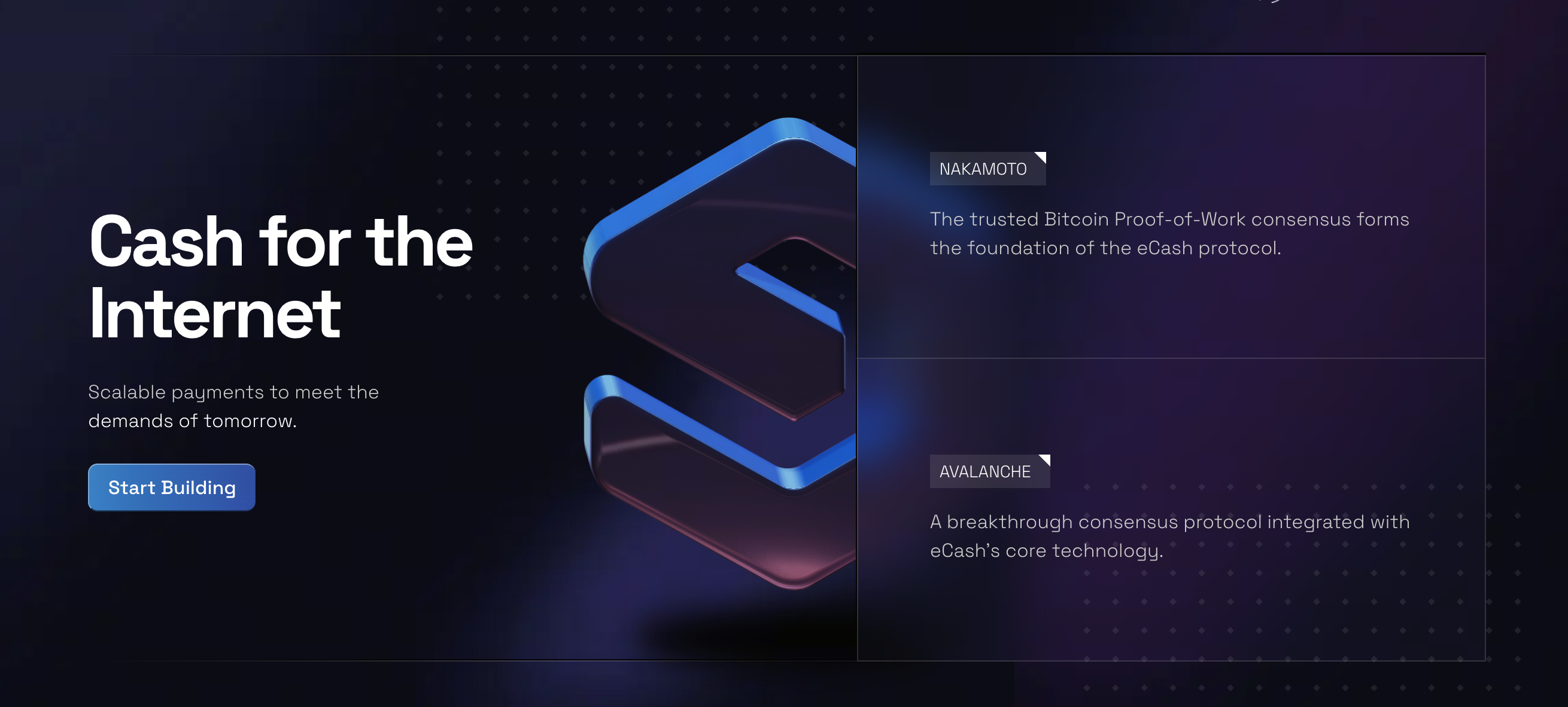
المصدر: e.cash
ما هي eCash (XEC)
تم تصميم eCash لتقديم تأكيد سريع، وتكاليف معاملات منخفضة، ومدفوعات عالية الإنتاجية. تعتمد الشبكة على إثبات العمل (PoW) كآلية أساسية، وتستفيد أيضًا من إجماع Avalanche لتحسين سرعة تأكيد المعاملات، محققة توازنًا جديدًا بين الأمان والأداء.
على عكس معظم العملات الرقمية التي تركز على كونها "مخزنًا للقيمة"، تم بناء eCash خصيصًا من أجل "قابلية الإنفاق." هدفها هو تمكين تسوية المعاملات على السلسلة بسرعة المدفوعات الإلكترونية الواقعية، مع هيكل رسوم متوقع يقلل من عوائق التبني.
تقنيًا، تعتمد eCash نموذج UTXO، ما يتيح معالجة المعاملات بشكل متوازي وزيادة الإنتاجية عبر تحسينات على مستوى البروتوكول. وهذا يجعلها مثالية للمدفوعات عالية التردد وصغيرة القيمة.
باختصار، تعمل eCash كبنية تحتية للمدفوعات وليست مجرد أصل رقمي، وتضع نفسها كشبكة "موجهة للمعاملات" ضمن منظومة البلوكشين.
أصل وتطور eCash: من Bitcoin Cash ABC إلى XEC
يرتبط تطوير eCash بسلسلة من الانقسامات التي أثارتها نقاشات توسيع Bitcoin. داخل منظومة Bitcoin، تصاعدت الخلافات حول حجم الكتلة وأساليب التوسعة، مما دفع مجتمعات مختلفة للسير في مسارات تقنية متباينة.
في عام 2017، عالجت Bitcoin Cash قضية التوسعة بزيادة سعة الكتلة، مركزة على التوسع على السلسلة لدعم حجم معاملات أكبر. وهذا مهد الطريق للجيل التالي من "البلوكشين الموجه للمدفوعات."
في عام 2020، انقسم مجتمع Bitcoin Cash مرة أخرى، وتطور فرع Bitcoin Cash ABC إلى eCash، مصحوبًا بإعادة تسمية وتوجه تقني جديد.
يمثل هذا التطور أكثر من مجرد انقسام للسلسلة؛ بل هو تحول من "نقاشات التوسعة" إلى "تطبيق المدفوعات الواقعية." تجاوزت eCash الجدالات التقنية، مستهدفة بناء شبكة مدفوعات عملية وعالمية.
المهمة الأساسية لـ eCash: بناء نظام نقدي إلكتروني قابل للتوسع
المهمة المركزية لـ eCash هي أن تصبح نظامًا نقديًا إلكترونيًا قابلًا للاستخدام عالميًا، مع بنية تركز على الأداء وتجربة المستخدم والتحديثات المستدامة.
أولًا، تسعى لزيادة إنتاجية المعاملات. عبر التوسعة والتحسين، تهدف الشبكة لمعالجة حجم معاملات مرتفع لتلبية متطلبات المدفوعات عالية التردد في الواقع.
ثانيًا، تعطي الأولوية لتجربة الدفع. تركز eCash على "اللحظية"، مستخدمة آليات تأكيد سريعة لتقليل أوقات الانتظار وجعل تجربة المستخدم مماثلة للمدفوعات الإلكترونية التقليدية—وهو أمر أساسي للاستخدام اليومي.
ثالثًا، تتبع مسار تحديثات منظم. بدلًا من الانقسامات المتكررة، تفضل eCash التحديثات المنهجية لضمان تطور طويل الأجل، مما يقلل من عدم اليقين ويوفر الاستقرار للمطورين والمستخدمين.
تشكل هذه الركائز معًا رؤية eCash للنقد الرقمي: تحقيق توازن بين الأداء والتجربة والاستقرار.
آلية إجماع eCash: نموذج هجين Avalanche + PoW
في طبقة الإجماع، تعتمد eCash نموذجًا هجينًا يجمع بين PoW وAvalanche، ليحقق الأمان والكفاءة معًا.
يوفر PoW أمان الشبكة ويتولى إنتاج الكتل، كما في شبكة Bitcoin التقليدية، عبر منافسة قوة التجزئة لمنع الهجمات. بينما يسرّع إجماع Avalanche تأكيد المعاملات عبر تصويت متعدد الجولات بين العقد، مما يعزز السرعة والنهائية.
تتيح هذه البنية للمعاملات تحقيق تأكيد عالي الثقة قبل إضافتها رسميًا إلى الكتلة، مما يقلل أوقات الانتظار للمستخدمين بشكل كبير. وفي حالات الدفع، تكون "سرعة التأكيد" أكثر أهمية من وقت إنتاج الكتلة.
من الناحية المعمارية، يضيف هذا النموذج الهجين "طبقة تأكيد سريع" فوق قاعدة أمان PoW، ليحقق أمانًا قويًا وتجربة معاملات شبه فورية.
البنية التقنية لـ eCash: التوسعة وتحسين الأداء
تركز استراتيجية التوسعة في eCash على "التوسعة على السلسلة"—أي زيادة سعة السلسلة الرئيسية مباشرة لدعم المزيد من المعاملات، بدلًا من الاعتماد على حلول معقدة خارج السلسلة. يضمن هذا النهج قابلية التوسع على مستوى البروتوكول، مع الحفاظ على بنية نظام موحدة.
تحديدًا، تقوم eCash بتحسين حجم الكتلة وصيغ المعاملات لمعالجة حجم معاملات أكبر. وبفضل معالجة نموذج UTXO المتوازي، يمكن التحقق من عدة معاملات في نفس الوقت، مما يزيد الإنتاجية الإجمالية.
على مستوى الشبكة، تعمل eCash أيضًا على تحسين نشر البيانات وكفاءة التواصل بين العقد، مما يقلل التأخير في بث المعاملات وتأكيدها. وهذا ضروري لتحقيق "سرعة المعاملات" التي يتوقعها المستخدمون.
بشكل عام، تم تصميم هذه البنية لتحقيق تحسينات أداء مستمرة دون الإخلال باتساق البروتوكول، مما يسمح للشبكة بالتوسع مع زيادة الطلب على المدفوعات.
فائدة رمز XEC: المدفوعات والحوافز وتشغيل الشبكة
XEC هو الرمز الأصلي لشبكة eCash، ويعمل كوسيط أساسي يربط احتياجات المستخدمين وموارد الشبكة عبر النظام بأكمله.
بالنسبة للمستخدمين، يُستخدم XEC لدفع رسوم المعاملات—كل عملية نقل أو كتابة بيانات تستهلك رموزًا للوصول إلى موارد الشبكة، مما يخلق طلبًا أساسيًا.
بالنسبة للمعدنين، توفر مكافآت الكتل ورسوم التداول عوائد، مما يضمن مشاركة مستمرة لقوة التجزئة وأمان الشبكة.
على المستوى الكلي، يعمل XEC كوسيط لنقل القيمة: طلب الدفع → رسوم التداول → حوافز المعدنين → أمان الشبكة، ليشكل حلقة اقتصادية مستدامة ذاتيًا.
حالات استخدام eCash: المدفوعات والمدفوعات الصغيرة والتطبيقات على السلسلة
تصميم eCash يجعلها قابلة للتكيف للغاية مع سيناريوهات الدفع، خاصةً حيث يكون التأكيد السريع وتكاليف المعاملات المنخفضة ضروريين.
في طبقة الدفع، تعتبر رسومها المنخفضة وتأكيداتها السريعة مثالية للتحويلات اليومية والمدفوعات عبر الحدود، ما يقلل من الوقت والتكلفة مقارنة بأنظمة الدفع التقليدية.
بالنسبة للمدفوعات الصغيرة، تدعم eCash تحقيق الدخل من المحتوى، والمعاملات داخل الألعاب، وغيرها من الاستخدامات عالية التردد وصغيرة القيمة حيث تكون الرسوم وسرعة التأكيد عوامل حاسمة.
ضمن منظومة Web3، يمكن أن تعمل eCash أيضًا كأداة دفع أساسية، متكاملة مع بروتوكولات وتطبيقات أخرى لتمكين نشاط اقتصادي أكثر تعقيدًا على السلسلة—مثل الاشتراكات، أو دفع البيانات، أو التسويات الآلية.
كيف تختلف eCash عن Bitcoin وBitcoin Cash
عند مقارنة Bitcoin وBitcoin Cash وeCash، يبرز بعدان رئيسيان: استراتيجية التوسعة وآلية الإجماع.
تولي Bitcoin الأولوية للأمان واللامركزية، وتفرض حدودًا صارمة على حجم الكتلة؛ بينما توسع Bitcoin Cash وeCash أحجام الكتل لزيادة السعة على السلسلة.
من حيث الإجماع، تقدم eCash إجماع Avalanche، ما يسمح للمعاملات بتحقيق تأكيد عالي الثقة قبل تضمينها في الكتلة—وهو اختلاف بارز عن شبكات PoW التقليدية.
بشكل عام، تم تصميم eCash لكفاءة المدفوعات أولًا، بينما تركز Bitcoin على الأمان والاستقرار أولًا.
المزايا والقيود والمفاهيم الخاطئة الشائعة حول eCash
تكمن قوة eCash في الأداء وتجربة المستخدم. فالتأكيد السريع والتوسعة على السلسلة يلبيان متطلبات المدفوعات عالية التردد.
يسارع الهيكل الهجين للإجماع تأكيد المعاملات، معززًا قابلية الاستخدام بشكل كبير—خاصة في سيناريوهات الدفع.
ومع ذلك، يجلب هذا النهج تحديات. فقد تؤدي التوسعة إلى زيادة تكاليف تشغيل العقد، مما يثير تساؤلات حول اللامركزية؛ كما أن تعقيد نموذج الإجماع يرفع مستوى التعلم.
ومن المفاهيم الخاطئة الشائعة أن eCash مجرد استمرار لانقسام Bitcoin، بينما في الواقع، أهدافها (النقد الرقمي) ونهجها التقني (Avalanche + التوسعة) تضعها على مسار مستقل.
الملخص
تدمج eCash مفهوم النقد الرقمي، والإجماع الهجين، والتوسعة على السلسلة لإنشاء نموذج بلوكشين موجه للمدفوعات. وتتمثل ابتكارها الرئيسي في الاستفادة من Avalanche لتأكيد سريع والتوسعة لزيادة الإنتاجية—موفرة تجربة دفع محسنة.
ورغم استمرار النقاشات حول التوسعة وبنية الشبكة، فإن سعي eCash نحو "مدفوعات عالية الأداء على السلسلة" يقدم بديلًا مميزًا لتطوير البلوكشين التقليدي.
الأسئلة الشائعة
ما هي eCash (XEC)؟
eCash هي شبكة بلوكشين مصممة كنقد رقمي، وتولي الأولوية للتأكيد السريع والمدفوعات منخفضة التكلفة.
ما هي آلية الإجماع التي تستخدمها eCash؟
تستخدم نموذج إجماع هجين يجمع بين PoW وAvalanche.
كيف تختلف eCash عن Bitcoin؟
الاختلافات الرئيسية في استراتيجية التوسعة وتأكيد المعاملات—تركز eCash أكثر على كفاءة المدفوعات.
ما هي الاستخدامات الأساسية لـ XEC؟
دفع رسوم المعاملات، تحفيز المعدنين، ودعم تشغيل الشبكة.
هل eCash مناسبة لسيناريوهات الدفع؟
دعم المدفوعات العالمية عالية التردد ومنخفضة التكلفة هو أحد أهداف تصميمها الأساسية.