À medida que a tecnologia blockchain se integra nas finanças empresariais, colaboração em cadeias de abastecimento e digitalização de ativos do mundo real, os mecanismos tradicionais de consenso, com elevado consumo energético e baixo desempenho, têm dificuldades em satisfazer as necessidades institucionais. O XDPoS foi concebido para reduzir custos de transação, aumentar a eficiência das confirmações e reforçar a estabilidade da rede, tornando-se a tecnologia central que impulsiona a XDC Network em infraestruturas de trade finance e pagamentos transfronteiriços.
O que é um mecanismo de consenso blockchain?
Um mecanismo de consenso blockchain estabelece as regras essenciais que permitem às redes distribuídas validar a autenticidade das transações e garantir a consistência do registo. Sem servidor centralizado nos sistemas blockchain, os nodos da rede utilizam mecanismos de consenso para determinar, de forma coletiva, quais as transações válidas e que blocos são adicionados on-chain.
Cada blockchain pública adota abordagens de consenso distintas. O Bitcoin utiliza Proof of Work (PoW), o Ethereum recorre atualmente a Proof of Stake (PoS) e algumas blockchains empresariais implementam variantes BFT ou DPoS para otimizar o desempenho.
Os mecanismos de consenso influenciam diretamente a segurança da rede, a velocidade das transações, a descentralização e os custos operacionais, sendo determinantes na avaliação de tecnologia blockchain pública.
Como funciona o XDPoS?
O XDPoS é uma versão avançada do Delegated Proof of Stake (DPoS). Neste modelo, a rede elege um conjunto definido de nodos validador que assumem a produção de blocos e a validação de transações.
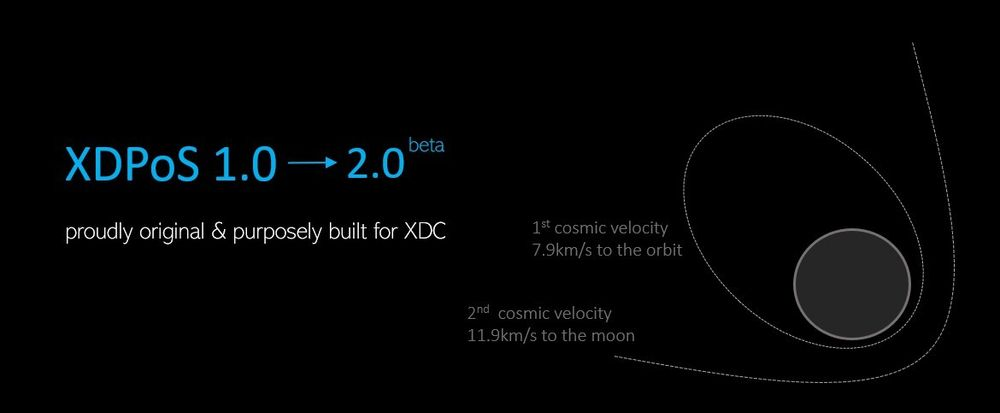
Os nodos efetuam staking de uma quantidade específica de XDC para poderem participar na validação. Alguns nodos adquirem o estatuto de validador por votação comunitária ou delegação, participando ativamente na produção contínua de blocos.
Quando um utilizador inicia uma transação, os nodos validador verificam a assinatura, o saldo e a taxa de Gas da transação. Após validação, a transação é incluída num novo bloco e confirmada por outros validadores.
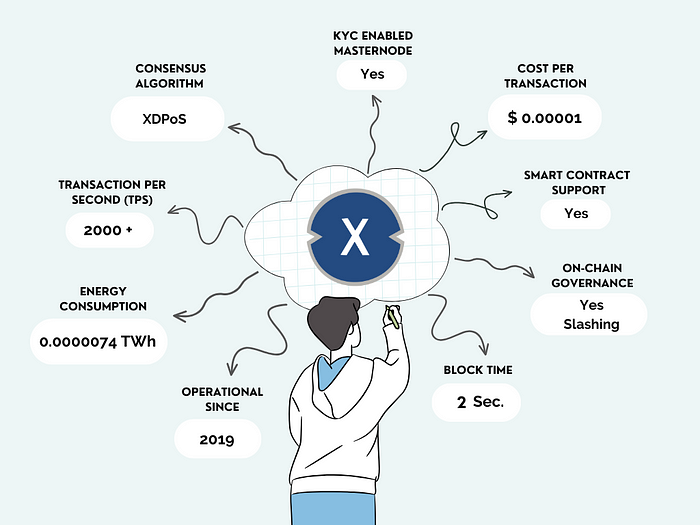
Ao contrário do PoW tradicional, o XDPoS elimina a necessidade de computação intensiva em energia, reduzindo o consumo energético e os custos de transação. Garante ainda confirmações de blocos mais rápidas, sendo ideal para pagamentos frequentes e ambientes financeiros empresariais.
Em que se distingue o XDPoS do DPoS tradicional?
Embora assente na estrutura DPoS, o XDPoS integra melhorias de desempenho ao nível empresarial e mecanismos de segurança reforçados.
As redes DPoS convencionais focam-se no elevado desempenho e na governança comunitária; o XDPoS privilegia a estabilidade financeira, a finalização rápida e a coordenação eficiente dos nodos. A integração da Byzantine Fault Tolerance (BFT) reforça a resiliência contra agentes maliciosos.
O XDPoS otimiza ainda a lógica de confirmação de blocos e a sincronização da rede, adaptando-se melhor às exigências empresariais, como trade finance, pagamentos transfronteiriços e outras aplicações que requerem confirmações estáveis.
| Dimensão de comparação |
DPoS |
XDPoS |
| Objetivo principal |
Alto desempenho |
Desempenho empresarial |
| Suporte BFT |
Parcial |
Reforçado |
| Finalização |
Rápida |
Mais rápida |
| Compatibilidade empresarial |
Moderada |
Forte |
| Área de aplicação |
Cadeia pública geral |
Finanças empresariais / Ativos do mundo real (RWA) |
Qual o papel dos nodos validador no XDPoS?
Os nodos validador são fundamentais na rede XDPoS, garantindo a integridade do registo e a segurança da rede.
Estes nodos executam um cliente de rede completo e mantêm-se online para validar transações e produzir blocos. As funções principais incluem:
- Validação de transações de utilizadores
- Criação de novos blocos
- Difusão de dados de blocos
- Manutenção da sincronização da rede
- Participação no consenso BFT
Nodos com comportamento anómalo ou offline podem perder o estatuto de validador ou sofrer penalizações.
Comparando com modelos abertos de mineração, o XDPoS opera com menos nodos validador, tornando a rede mais eficiente. Contudo, isto aumenta as exigências em termos de qualidade e governança dos nodos.
Como o XDPoS garante confirmações rápidas de transações?
A finalização rápida das transações é uma das principais características do XDPoS.
Redes PoW tradicionais exigem múltiplas confirmações de blocos para garantir as transações devido ao risco de forks on-chain. O XDPoS utiliza BFT para minimizar esse risco, melhorando substancialmente a finalização das transações.
Após a criação de um novo bloco, os validadores atingem rapidamente consenso, confirmando a validade do bloco. Uma vez confirmado, é geralmente difícil reverter as transações.
Esta rapidez é especialmente relevante para pagamentos transfronteiriços, trade finance e liquidações institucionais, onde as empresas exigem certeza e liquidação imediata.
Porque é que o XDPoS é adequado para aplicações financeiras empresariais?
As soluções financeiras empresariais valorizam:
- Velocidade de confirmação de transações
- Estabilidade da rede
- Previsibilidade de custos
- Consistência dos dados
- Suporte à conformidade e privacidade
O XDPoS foi desenvolvido para cumprir estes requisitos.
Com menos nodos validador, a rede mantém desempenho elevado e baixa latência. Taxas de Gas reduzidas diminuem os custos de liquidação em lote e de processamento de dados on-chain.
Em trade finance, pagamentos transfronteiriços e cenários RWA, a eficiência das transações e a estabilidade do sistema são prioritárias face à descentralização extrema, tornando o XDPoS uma infraestrutura blockchain empresarial de excelência.
XDPoS, PoW e PoS são mecanismos de consenso com modelos operacionais distintos:
- PoW baseia-se na competição de poder de hash entre mineradores, proporcionando elevada segurança, mas com consumo energético elevado e baixa eficiência.
- PoS utiliza staking de tokens para validação, reduzindo o consumo energético e melhorando o desempenho.
- XDPoS evolui a partir do PoS, com delegação e consenso BFT, acelerando confirmações e melhorando a coordenação da rede.
| --- | --- | --- | --- |
| Consumo energético | Elevado | Baixo | Baixo |
| Velocidade de confirmação de blocos | Lenta | Rápida | Mais rápida |
| Método de validação | Competição de poder de hash | Staking | Delegação + staking |
| Adaptabilidade empresarial | Moderada | Forte | Forte |
| Exemplo de rede | Bitcoin | Ethereum | XDC |
Quais as limitações potenciais do XDPoS?
Apesar das vantagens de desempenho, o XDPoS apresenta algumas limitações debatidas.
O uso de menos nodos validador face a grandes cadeias públicas leva alguns críticos a considerá-lo menos descentralizado. O modelo de governança dos validadores pode também afetar a distribuição de poder na rede.
Além disso, em comparação com grandes redes como o Ethereum, o ecossistema de programadores e a escala de aplicações da XDC Network continuam em crescimento, pelo que a competitividade a longo prazo do XDPoS depende da adoção da rede.
Conclusão
O XDPoS é o mecanismo de consenso central da XDC Network, combinando Delegated Proof of Stake (DPoS) e Byzantine Fault Tolerance (BFT) para proporcionar confirmações rápidas, custos operacionais reduzidos e desempenho blockchain empresarial.
Face às redes PoW, o XDPoS é mais indicado para trade finance, pagamentos transfronteiriços e aplicações de ativos do mundo real (RWA) que exigem eficiência e estabilidade. O baixo consumo energético, o elevado desempenho e a compatibilidade EVM distinguem a XDC Network na infraestrutura blockchain empresarial.
Com o crescimento das finanças institucionais e do setor RWA, o XDPoS destaca-se como mecanismo de consenso de referência para blockchains públicas empresariais.
Perguntas frequentes
O que significa XDPoS?
XDPoS significa XinFin Delegated Proof of Stake, o algoritmo de consenso que impulsiona a XDC Network.
O XDPoS é considerado PoS?
Sim. O XDPoS baseia-se na arquitetura PoS, sendo reforçado com delegação e consenso BFT.
Porque é que o XDPoS é mais rápido?
A utilização de menos nodos validador e o recurso a BFT permitem ao XDPoS confirmar transações e finalizar blocos de forma mais célere.
O XDPoS suporta contratos inteligentes?
Sim. A XDC Network é totalmente compatível com EVM e suporta contratos inteligentes Solidity.
Em que se distingue o XDPoS do PoS do Ethereum?
O PoS do Ethereum privilegia a abertura do ecossistema e a descentralização, enquanto o XDPoS está orientado para desempenho empresarial e confirmações rápidas.
O XDPoS é eficiente em termos energéticos?
Sim. O XDPoS elimina a mineração PoW, reduzindo drasticamente o consumo energético face às redes de mineração tradicionais.
Quais os principais casos de utilização do XDPoS?
O XDPoS é utilizado sobretudo em trade finance, pagamentos transfronteiriços, financiamento de cadeias de abastecimento, ativos do mundo real (RWA) e aplicações empresariais blockchain.