Bitcoin, como la primera red de moneda digital descentralizada, revolucionó la transferencia de valor peer-to-peer sin intervención de entidades centrales. Al crecer su base de usuarios, la red de Bitcoin comenzó a enfrentar congestión de transacciones y un aumento en las tarifas de trading. La capacidad limitada de los bloques restringe el número de transacciones por bloque, disminuyendo la eficiencia de los pagos on-chain.
La comunidad ha explorado varias soluciones técnicas para la escalabilidad. Algunos prefieren mantener bloques pequeños para reducir el umbral operativo de los nodos y preservar la descentralización, mientras otros apuestan por aumentar la capacidad de los bloques para potenciar el rendimiento on-chain y la experiencia de pago. Bitcoin Cash surgió en este contexto, implementando la estrategia de "escalabilidad con bloques grandes".
Panorama general y diferencias clave: Bitcoin vs. Bitcoin Cash
Bitcoin es una red de moneda digital descentralizada basada en tecnología blockchain, que utiliza prueba de trabajo (PoW) para proteger su libro mayor. Permite transferencias de valor sin una autoridad central y es el pilar de los pagos en blockchain.
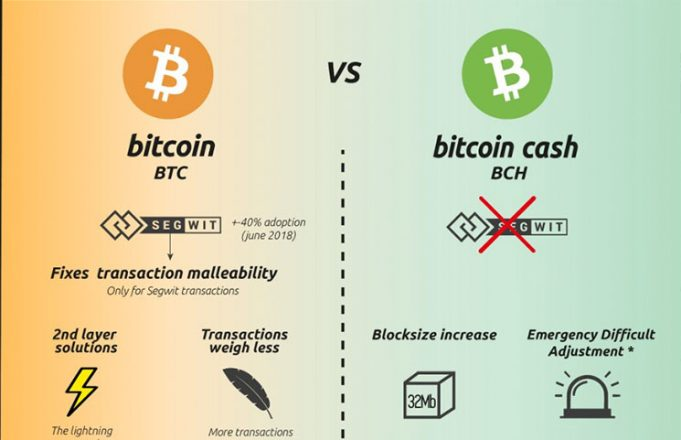 Fuente de la imagen: Jonathan Willems
Bitcoin Cash, un fork de la red Bitcoin, también utiliza el mecanismo de prueba de trabajo y el modelo UTXO, pero su objetivo es maximizar la eficiencia de pagos on-chain. Para ello, Bitcoin Cash adopta bloques de mayor tamaño, permitiendo procesar más transacciones por bloque, reducir las tarifas de trading y aumentar la eficiencia de las transferencias. Su diseño se orienta a escenarios de pagos de alto volumen.
| Dimensión de comparación |
Bitcoin (BTC) |
Bitcoin Cash (BCH) |
| Objetivo principal |
Reserva de valor |
Pagos on-chain |
| Enfoque de escalabilidad |
Tamaño de bloque controlado |
Tamaño de bloque aumentado |
| Nivel de tarifa de trading |
Altamente volátil |
Más bajo |
| Eficiencia de pago |
Estable, pero congestionado en picos |
Más alta |
| Umbral de nodo |
Más bajo |
Más alto |
| Posicionamiento de red |
Oro digital |
Criptomoneda orientada a pagos |
Posicionamiento de Bitcoin y Bitcoin Cash en sistemas de pago blockchain
Aunque Bitcoin y Bitcoin Cash comparten fundamentos técnicos, sus prioridades de desarrollo difieren. Bitcoin se enfoca en la seguridad y la reserva de valor, manteniendo un umbral de participación de nodos estable para garantizar la descentralización.
Por otro lado, Bitcoin Cash prioriza la eficiencia de pagos. Al aumentar el tamaño de los bloques, reduce la congestión de transacciones y las tarifas de trading, mejorando la capacidad de pagos on-chain. Así, Bitcoin cumple la función de "reserva de valor digital", mientras que Bitcoin Cash se posiciona como "herramienta de pago on-chain".
¿En qué se diferencian los mecanismos de escalabilidad de Bitcoin y Bitcoin Cash?
La estrategia de escalabilidad de Bitcoin se basa en controlar el tamaño de los bloques para reducir los requisitos de hardware de los nodos, permitiendo una mayor participación en el mantenimiento de la red. Este enfoque favorece la descentralización, pero puede generar congestión en periodos de alta actividad.
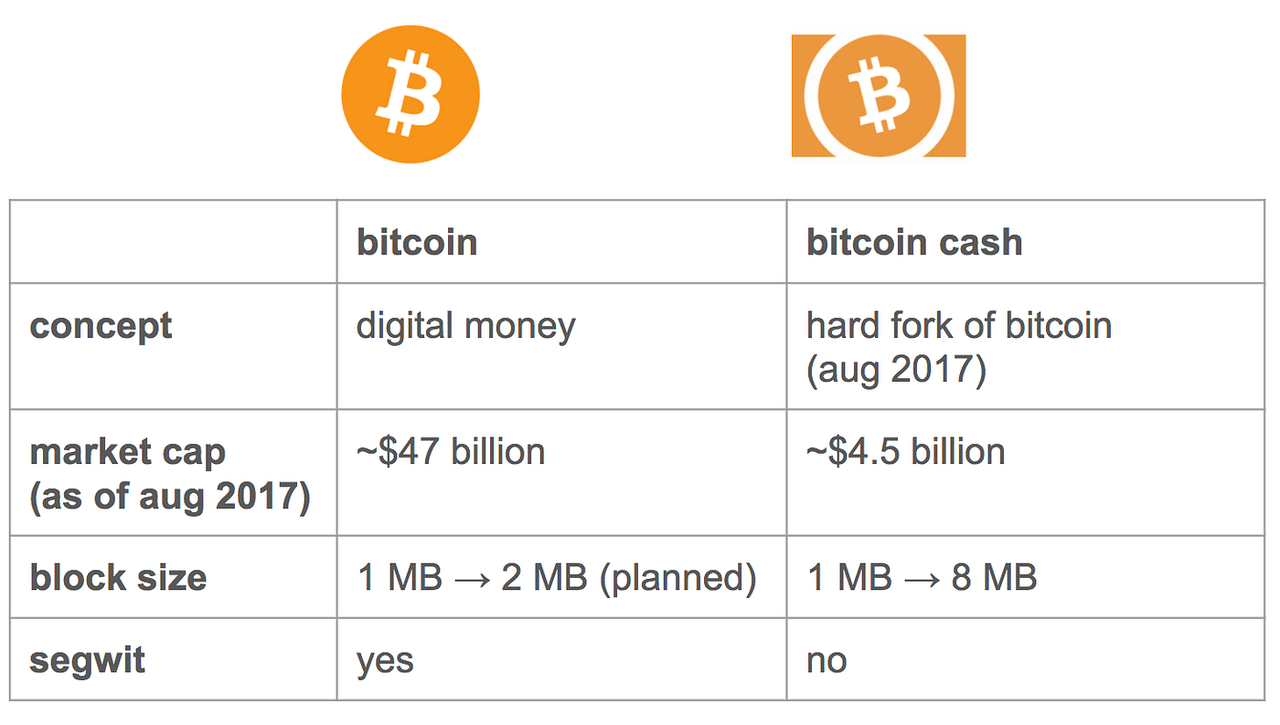 Fuente de la imagen: Linda Xie
Bitcoin Cash amplía el tamaño de los bloques para incrementar el rendimiento on-chain. Los bloques más grandes permiten procesar más transacciones simultáneamente, reduciendo los tiempos de espera y las tarifas de trading. Aunque este diseño beneficia los pagos, también aumenta los requisitos de hardware y ancho de banda para los nodos.
En definitiva, la diferencia representa una compensación entre la descentralización y la eficiencia de pagos.
¿Por qué las tarifas de trading de Bitcoin Cash suelen ser más bajas?
Las tarifas de trading dependen principalmente de la oferta y demanda de espacio en bloque. Cuando la capacidad es limitada, los usuarios pagan tarifas más altas para asegurar la confirmación prioritaria.
El mayor tamaño de bloque de Bitcoin Cash brinda espacio suficiente, disminuyendo la competencia por transacciones y resultando en tarifas de trading más bajas. Esto hace que BCH sea ideal para pagos pequeños y transferencias frecuentes.
Bitcoin, con espacio de bloque limitado, puede experimentar un aumento de tarifas en periodos de alta actividad, siendo más adecuado para transferencias de alto valor y reserva de valor.
¿Cuál es la diferencia en la lógica de pago entre Bitcoin y Bitcoin Cash?
La lógica de pago de Bitcoin se centra en la confirmación segura y la estabilidad de la red. Con bloques limitados, la prioridad de confirmación depende en gran medida de la competencia por tarifas, lo que genera mayores costes en periodos de alta demanda.
Bitcoin Cash reduce la congestión de transacciones ampliando el tamaño de los bloques, facilitando la inclusión rápida de transacciones. Esto disminuye la volatilidad de tarifas y mejora la eficiencia de pagos.
Desde la lógica de pago, Bitcoin es más adecuado para liquidaciones de alto valor, mientras que Bitcoin Cash es óptimo para pagos diarios y transferencias de bajo valor.
Compensaciones en la seguridad de red: Bitcoin vs. Bitcoin Cash
La seguridad de la red de Bitcoin se basa en una tasa de hash elevada de los mineros y una amplia participación de nodos. Los umbrales bajos de operación de nodos favorecen la distribución de la red y refuerzan la seguridad descentralizada.
Al aumentar el tamaño de los bloques, los nodos de Bitcoin Cash deben procesar más datos, requiriendo mayor hardware y ancho de banda. Esto eleva los costes operativos y puede limitar la participación.
Por lo tanto, Bitcoin es "priorizado en seguridad", mientras que Bitcoin Cash es "priorizado en eficiencia", reflejando enfoques distintos en el diseño de red.
Resumen
Bitcoin y Bitcoin Cash comparten la misma infraestructura blockchain, pero difieren en escalabilidad y lógica de pagos. Bitcoin conserva la seguridad y descentralización controlando el tamaño de los bloques, consolidando su papel como reserva de valor. Bitcoin Cash aumenta el rendimiento on-chain ampliando el tamaño de los bloques, enfocándose en la eficiencia de pagos y tarifas de trading bajas.
Estos modelos de diseño ponen de manifiesto el equilibrio entre eficiencia, seguridad y descentralización en los sistemas blockchain, definiendo roles diferentes para cada uno en el ecosistema de criptoactivos.
Preguntas frecuentes
¿Cuál es la mayor diferencia entre Bitcoin Cash y Bitcoin?
La diferencia principal está en el enfoque de escalabilidad. Bitcoin Cash amplía el tamaño de los bloques para mejorar la eficiencia de pagos, mientras que Bitcoin prioriza la seguridad y la descentralización.
¿Por qué las tarifas de trading de Bitcoin Cash son más bajas?
Porque BCH, al tener bloques más grandes, procesa más transacciones, reduce la competencia por espacio y genera tarifas de trading más bajas.
¿Cuál es más adecuado para pagos: Bitcoin o Bitcoin Cash?
Para pagos on-chain eficientes, Bitcoin Cash es mejor para operaciones frecuentes y de bajo valor gracias a sus tarifas bajas y mayor rendimiento.
¿Bitcoin Cash es más rápido que Bitcoin?
En el procesamiento de transacciones on-chain, Bitcoin Cash suele ser más rápido, ya que sus bloques más grandes reducen la congestión.
¿Bitcoin y Bitcoin Cash utilizan el mismo mecanismo de consenso?
Sí, ambos emplean prueba de trabajo (PoW), con mineros que empaquetan transacciones y garantizan la seguridad de la red.