Pada era multi-chain, aset pengguna tidak lagi hanya terbatas pada transfer antar-chain tunggal—aset kini aktif terlibat dalam Swap, Bridge, Staking, interaksi DApp, serta skenario pembayaran di dunia nyata, sehingga memperluas permukaan serangan secara signifikan. Keamanan Wallet telah berkembang dari sekadar "melindungi Kunci Pribadi dari pencurian" menjadi pendekatan sistemik yang komprehensif, mencakup "pencegahan pembajakan transaksi, penyalahgunaan Persetujuan, risiko cross-chain, dan kompromi lingkungan endpoint."
Evaluasi teknis terhadap SafePal harus menganalisis lapisan penyimpanan, lapisan tanda tangan, lapisan transmisi, lapisan verifikasi on-chain, dan lapisan peningkatan operasional. Artikel ini disusun berdasarkan lima lapisan tersebut, menyoroti cara SafePal mengurangi risiko aset dalam praktik dan menjelaskan tanggung jawab keamanan yang tetap harus dipenuhi oleh pengguna.
Teknologi Penyimpanan dan Manajemen Aset Digital SafePal
SafePal berprinsip bahwa "platform tidak melakukan kustodian Kunci Pribadi—pengguna memegang kedaulatan penuh atas aset." Kunci Pribadi dan seed phrase tidak pernah disimpan di server terpusat; kontrol aset sepenuhnya terkait dengan kunci lokal milik pengguna. Desain ini meminimalkan risiko kustodian di tingkat platform, namun beban backup dan pemulihan sepenuhnya menjadi tanggung jawab pengguna.
Dalam manajemen aset, SafePal mendukung tampilan multi-chain terpadu, mencakup chain publik utama dan berbagai aset Token. Nilai agregasi multi-chain bukan sekadar "melihat lebih banyak Koin," tetapi juga mengurangi kesalahan operasional akibat perpindahan wallet—seperti kesalahan salin alamat, pemilihan jaringan yang salah, dan salah menilai target Persetujuan.
Dari sisi rekayasa, SafePal menekankan pemisahan antara lapisan akun dan lapisan interaksi:
- Lapisan akun menangani derivasi kunci, manajemen alamat, dan konfirmasi Tanda tangan.
- Lapisan interaksi mengelola koneksi DApp, data pasar, routing Perdagangan, dan operasi cross-chain.
- Tindakan sensitif selalu membutuhkan konfirmasi dan Tanda tangan pengguna—tidak pernah dieksekusi otomatis oleh frontend.
Arsitektur berlapis ini mengisolasi DApp jahat atau halaman phishing dari akses langsung ke kunci inti. Bahkan jika lapisan interaksi dikompromikan, penyerang tidak dapat dengan mudah melewati lapisan tanda tangan untuk mendapatkan Kunci Pribadi.
Keamanan Wallet Terdesentralisasi dan Hardware
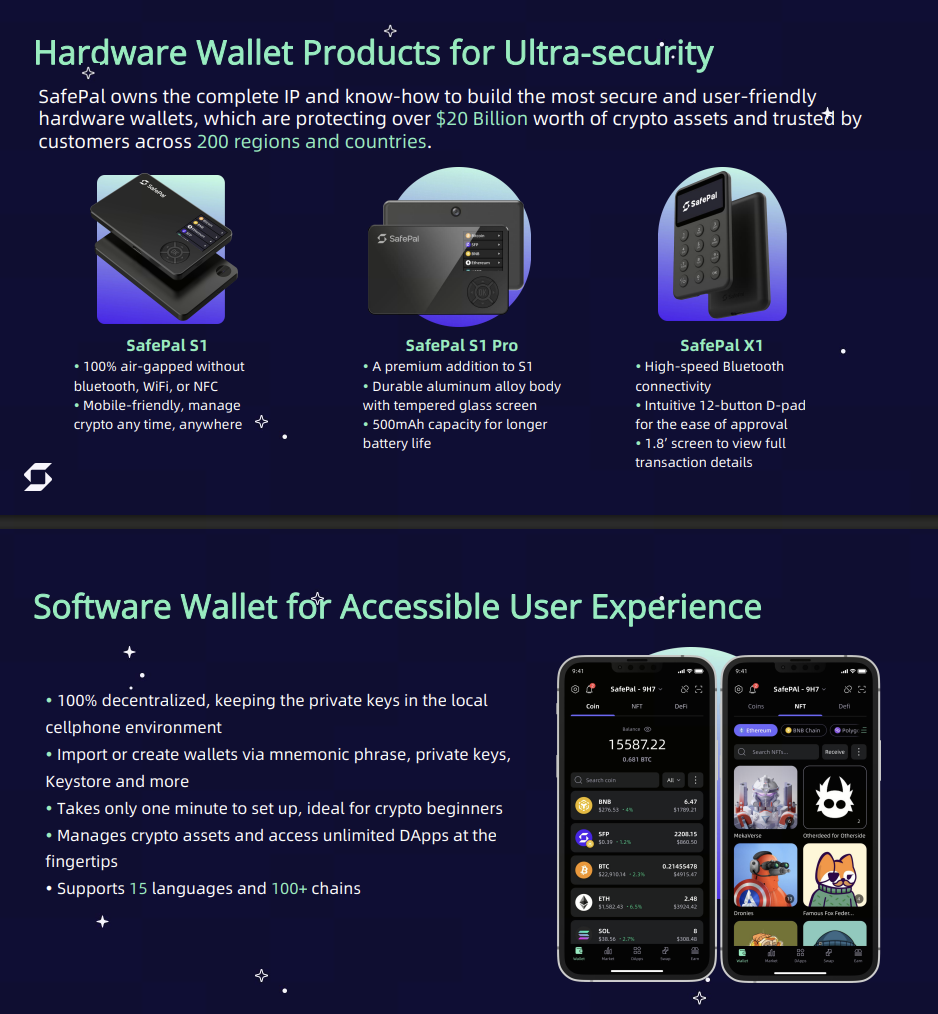
Sumber gambar: SafePal White Paper
Model keamanan SafePal menggunakan dua pendekatan: "ketersediaan hot-end + isolasi cold-end." Software Wallet dirancang untuk transaksi Frekuensi Tinggi, sedangkan Hardware Wallet ditujukan untuk isolasi aset bernilai tinggi jangka panjang. Kedua solusi ini saling melengkapi—bukan saling menggantikan.
Peningkatan keamanan hardware utama SafePal adalah transisi dari chip CC EAL 5+ ke CC EAL 6+ (direncanakan untuk tahun 2025). Peningkatan ini memberikan:
- Ketahanan lebih tinggi terhadap manipulasi fisik dan injeksi gangguan.
- Perlindungan lebih kuat terhadap serangan canggih seperti side-channel.
- Kepercayaan hardware yang meningkat untuk perangkat Tanda tangan offline.
Fitur utama hardware SafePal adalah proses Tanda tangan offline. Pemanfaatan QR Code untuk transfer Data Perdagangan meminimalkan vektor serangan dari USB, Bluetooth, atau koneksi jaringan langsung. Transaksi dimulai online, ditinjau dan ditandatangani offline, lalu disiarkan on-chain—secara signifikan menurunkan risiko "injeksi Tanda tangan jahat jarak jauh."
Poin kritis untuk Wallet terdesentralisasi adalah bahwa "keamanan tidak otomatis." Meski hardware canggih, penyimpanan seed phrase yang buruk, mengunduh aplikasi dari situs palsu, atau mengabaikan kisaran Persetujuan kontrak tetap bisa menyebabkan kerugian aset. Arsitektur teknis menentukan batas atas, namun keamanan nyata bergantung pada perilaku pengguna.
Teknologi Blockchain di SafePal
Strategi blockchain SafePal adalah "kompatibilitas multi-chain + lapisan interaksi terpadu," bukan membangun chain proprietary. Tujuan utama adalah memungkinkan pengguna mengelola aset dan aplikasi lintas chain dari satu antarmuka, sehingga mengurangi friksi migrasi ekosistem.
Berdasarkan pembaruan 2025–2026, SafePal memperluas dukungan chain dan integrasi ekosistem—menambah jaringan seperti Hedera, World Chain, Lemon Chain, dan skenario DApp baru seperti pasar prediksi. Ekspansi ini menghadirkan tantangan teknis:
- Variasi format alamat, standar Tanda tangan, dan model transaksi antar-chain.
- Asumsi kepercayaan tambahan dalam proses Bridge dan routing.
- Masalah kompatibilitas dan Pengendalian Risiko pada infrastruktur chain baru yang kurang stabil.
SafePal mengatasi tantangan ini dengan "lapisan pengalaman terpadu + lapisan adaptasi jaringan native"—pengalaman frontend tetap konsisten, sementara backend menangani logika Tanda tangan, Gas, dan siaran khusus chain. Bagi pengguna, ini berarti kurva belajar lebih rendah; bagi tim keamanan, diperlukan pembaruan berkelanjutan terhadap aturan Pengendalian Risiko untuk mendeteksi kontrak abnormal, Token palsu, dan permintaan Persetujuan berisiko tinggi.
Nilai teknologi blockchain di SafePal bukan sekadar mendukung lebih banyak chain, tetapi juga memungkinkan manajemen aset multi-chain yang aman dan berkelanjutan. Dengan menyeimbangkan kemudahan dan keamanan, platform wallet dapat mencapai adopsi jangka panjang.
Proteksi Multi-Tanda tangan dan Enkripsi SafePal
SafePal membedakan antara proses Tanda tangan internal Wallet dan mekanisme Multi-Sig tingkat akun on-chain. SafePal berfokus pada "Tanda tangan kunci lokal dan konfirmasi perangkat," sedangkan Multi-Tanda tangan tingkat akun dicapai melalui integrasi protokol on-chain yang mendukung Multi-Sig.
Dalam praktiknya, SafePal berfungsi sebagai terminal Tanda tangan dalam alur Multi-Tanda tangan—untuk treasury tim, DAO, atau kustodian dana proyek:
- Transaksi dimulai di akun Multi-Sig.
- Setiap penanda tangan melakukan konfirmasi melalui perangkat masing-masing.
- Eksekusi hanya dilakukan setelah ambang batas terpenuhi.
Mekanisme ini mengubah "risiko kebocoran titik tunggal" menjadi "risiko kolaborasi ambang batas," sehingga meningkatkan keamanan dana organisasi.
Proteksi enkripsi SafePal terdiri dari empat lapisan:
- Enkripsi lapisan kunci: Kunci Pribadi dilindungi secara lokal oleh chip atau enclave aman, tidak pernah diekspos dalam bentuk plaintext.
- Isolasi lapisan transmisi: Tanda tangan hardware dikirim melalui QR code offline, memitigasi risiko pembajakan online.
- Proteksi lapisan aplikasi: Kata sandi, biometrik, dan konfirmasi operasi memblokir tindakan tidak sah.
- Pertahanan lapisan kebijakan: Pengingat Risiko, review Persetujuan, dan intersepsi transaksi abnormal mengurangi interaksi berisiko tinggi.
Enkripsi tidak menjamin "keamanan absolut." Serangan phishing sering kali melewati pertahanan teknis dan mengeksploitasi sifat manusia untuk mengelabui pengguna agar menandatangani. Pertahanan paling efektif adalah kombinasi "arsitektur enkripsi, kesadaran risiko, dan operasi disiplin."
Arah Masa Depan Teknologi SafePal
Teknologi SafePal diperkirakan akan berkembang sepanjang lima lini utama:
- Memperkuat trusted computing hardware. EAL 6+ merupakan tonggak; langkah berikutnya meliputi verifikasi firmware, transparansi rantai pasok, dan audit konsistensi perangkat, sehingga menurunkan biaya kepercayaan.
- Mengoptimalkan abstraksi akun dan pengalaman Tanda tangan pintar. Ketika Account Abstraction menjadi arus utama, wallet dapat menawarkan izin lebih fleksibel, pemulihan sosial, dan transaksi batch—tanpa mengorbankan self-custody.
- Meningkatkan middleware keamanan cross-chain. Operasi multi-chain yang lebih sering akan membutuhkan simulasi transaksi lebih baik, visualisasi Persetujuan, dan penilaian jalur Bridge untuk membantu pengguna menilai risiko sebelum menandatangani.
- Memperluas solusi keamanan tingkat institusi dan tim. Multi-Sig yang ditingkatkan, lapisan izin, log audit, dan alur kerja persetujuan akan memperluas kapabilitas organisasi SafePal.
- Mempopulerkan edukasi keamanan sebagai produk. Keamanan harus menjadi bagian integral dari pengalaman pengguna—Pengingat grading risiko, saran kedaluwarsa Persetujuan, alert kontrak mencurigakan, dan panduan recovery drill.
Tujuan optimasi teknis bukanlah penambahan fitur berlebihan, melainkan membuat "tindakan aman" lebih mudah daripada "tindakan berisiko." Ini adalah kunci kelangsungan platform wallet jangka panjang.
Ringkasan
Teknologi inti dan arsitektur keamanan SafePal membentuk sistem pertahanan berlapis: kunci self-custody sebagai fondasi, isolasi hardware dan Tanda tangan offline sebagai penghalang utama, serta adaptasi multi-chain dengan Pengendalian Risiko berbasis kebijakan untuk skenario Frekuensi Tinggi. Laju upgrade pada 2025–2026 menunjukkan pergeseran dari "keamanan perangkat tunggal" ke perlindungan menyeluruh end-to-end.
Bagi pengguna individu, SafePal menawarkan perlindungan teknis yang kuat; bagi tim dan institusi, Multi-Tanda tangan dan tata kelola izin menjadi peningkatan krusial. Keamanan aset digital adalah proses berkelanjutan—didorong oleh teknologi, desain produk, dan kebiasaan pengguna yang saling bekerja sama. Hanya dengan perbaikan berkelanjutan pada ketiganya, wallet dapat menjadi gerbang infrastruktur Web3 yang benar-benar andal.