A medida que la tecnología blockchain evoluciona más allá de los activos digitales hacia la gestión de cadenas de suministro, la colaboración de datos y los servicios empresariales, cada vez más empresas buscan aprovechar blockchain para mejorar la transparencia de datos y la eficiencia en la colaboración comercial. Sin embargo, la mayoría de las empresas se enfrenta a grandes obstáculos para desplegar directamente infraestructura blockchain, debido a la alta complejidad técnica, costes elevados y largos plazos de implementación. Por ello, los ecosistemas que ofrecen herramientas completas y soporte de infraestructura se han vuelto esenciales.
VeChain responde a esta necesidad. Al combinar su red blockchain principal, el modelo económico de doble token y la plataforma de servicios ToolChain orientada a empresas, VeChain proporciona una solución blockchain robusta para el sector empresarial. A diferencia de los proyectos de cadena pública que solo ofrecen protocolos básicos, VeChain prioriza la usabilidad de sus herramientas y la adopción real por parte de empresas, lo que lo posiciona como un referente en el ámbito blockchain corporativo.
¿Cuáles son los componentes del ecosistema VeChain?
El ecosistema VeChain está formado por cuatro elementos clave: la red blockchain VeChainThor, el mecanismo de doble token, la plataforma empresarial ToolChain y la red de socios.
VeChainThor es la infraestructura blockchain fundamental, encargada de procesar transacciones, ejecutar Contratos inteligentes y registrar datos on-chain. El mecanismo de doble token, compuesto por VET y VTHO, facilita la transferencia de valor y el pago de tarifas de trading. ToolChain ofrece interfaces y servicios para aplicaciones empresariales, mientras que la red de socios impulsa la adopción de VeChain en distintos sectores industriales.
Estos componentes conforman el ecosistema blockchain empresarial de VeChain, permitiendo a las empresas acceder a soporte integral desde la infraestructura hasta los servicios de aplicación.
¿Qué función cumple VeChainThor en el ecosistema?
VeChainThor actúa como la red blockchain principal del ecosistema VeChain, sirviendo como capa de infraestructura.
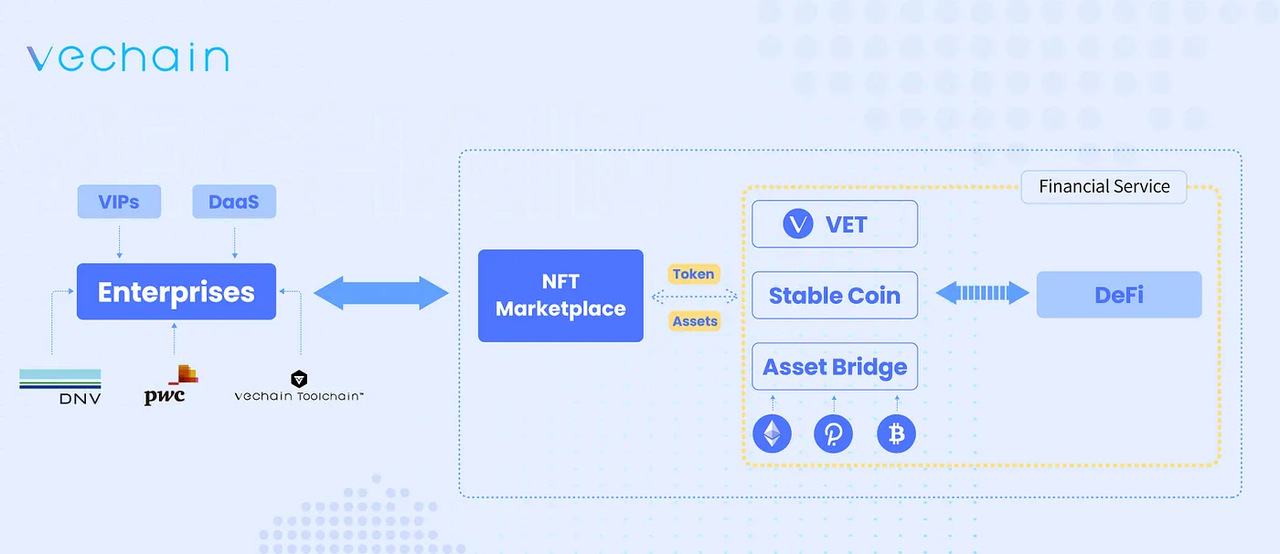
Se encarga de registrar datos de trading, ejecutar Contratos inteligentes y mantener la consistencia del libro mayor. Las aplicaciones empresariales para rastreo de cadena de suministro, prevención de falsificaciones y compartición de datos desplegadas en VeChain dependen de VeChainThor como soporte básico.
Gracias al mecanismo de consenso PoA, VeChainThor ofrece alta capacidad de procesamiento de transacciones y bajos costes on-chain, lo que lo hace ideal para registros de datos empresariales de alta frecuencia.
¿Cuál es la función del mecanismo de doble token en el ecosistema VeChain?
El modelo dual VET + VTHO es un pilar clave del ecosistema.
VET es el token principal de valor, utilizado para transferencias y gobernanza de red, mientras que VTHO es un token de utilidad para el pago de tarifas de trading on-chain.
Al separar el almacenamiento de valor de los costes de uso de la red, este mecanismo ofrece a las empresas una estructura de costes más estable para los servicios blockchain. Este diseño resulta especialmente útil para compañías que necesitan registrar datos on-chain con frecuencia, ya que ayuda a reducir la incertidumbre operativa causada por la volatilidad del precio del token.
ToolChain es la plataforma de servicios blockchain integral para empresas de VeChain, diseñada para facilitar el despliegue rápido de aplicaciones blockchain. Con ToolChain, las empresas pueden registrar información de productos, datos logísticos y registros de activos en la blockchain sin desarrollar infraestructura on-chain compleja. Esto reduce de manera significativa la barrera técnica para la integración blockchain, permitiendo a empresas tradicionales adoptar soluciones blockchain con mayor facilidad.
Desde una perspectiva funcional, ToolChain es la puerta de entrada a aplicaciones empresariales de VeChain, actuando como puente entre las capacidades blockchain y las necesidades reales de negocio.
ToolChain permite a las empresas desplegar aplicaciones blockchain en múltiples escenarios de negocio mediante servicios modulares.
Por ejemplo, en la trazabilidad de productos, las empresas pueden usar ToolChain para crear registros on-chain únicos y actualizar datos a lo largo de la producción, transporte y ventas. En prevención de falsificaciones, los consumidores pueden verificar la autenticidad escaneando la información del producto. En gestión de emisiones de carbono, las empresas pueden registrar y rastrear datos ambientales.
Al ofrecer interfaces estandarizadas y módulos preconfigurados, ToolChain reduce el tiempo de despliegue de soluciones blockchain y disminuye la complejidad de implementación para las empresas.
¿Cuál es el papel del ecosistema de socios de VeChain?
El ecosistema de socios es un motor fundamental para la adopción real de VeChain.
Mediante la colaboración con empresas, proveedores tecnológicos y socios industriales, VeChain integra capacidades blockchain en cadenas de suministro, logística, sostenibilidad y certificación digital. Estas alianzas amplían el alcance de VeChain y aumentan el valor práctico de su ecosistema.
En iniciativas blockchain empresariales, la colaboración dentro del ecosistema suele ser el factor decisivo para la profundidad de adopción, haciendo de la red de socios un activo estratégico para VeChain.
¿Cuáles son las ventajas del ecosistema VeChain?
VeChain destaca por su completitud, facilidad de uso y adaptabilidad a distintos escenarios.
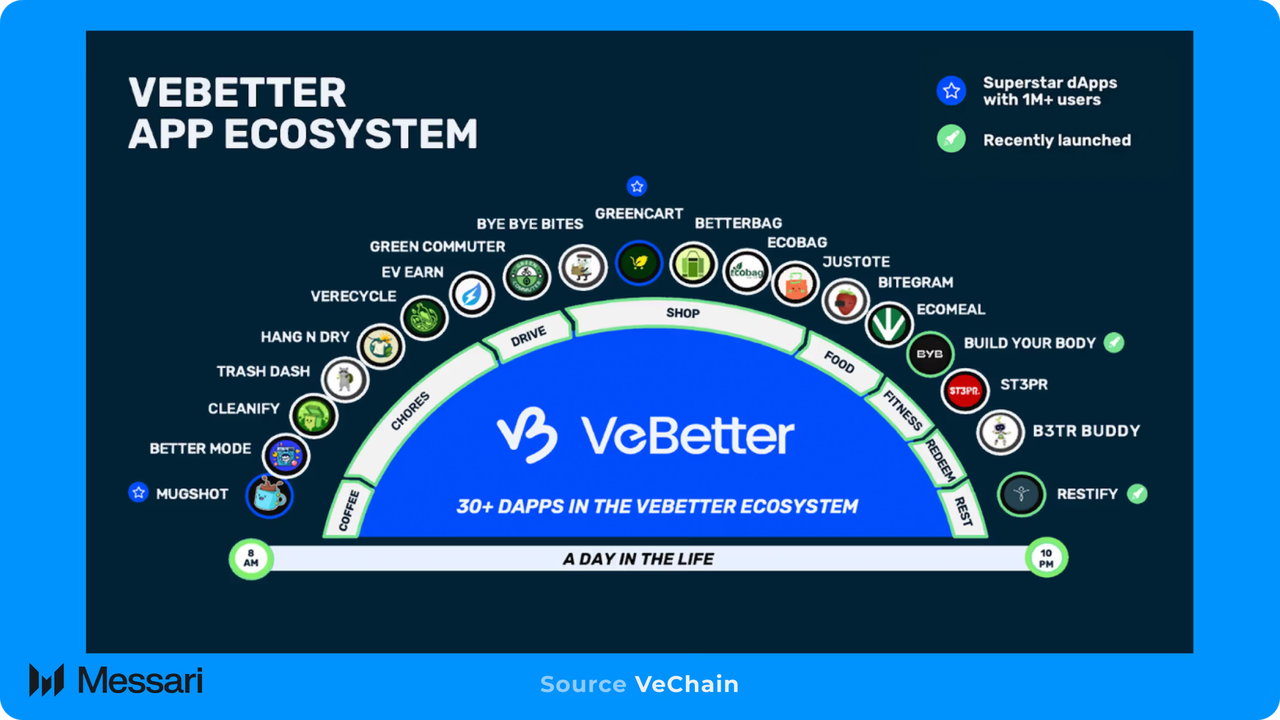
La completitud se refleja en su arquitectura integral, desde la red principal hasta las herramientas de aplicación. La facilidad de uso se demuestra en la capacidad de ToolChain para reducir la barrera de entrada empresarial, y la adaptabilidad se evidencia en el enfoque de VeChain en cadenas de suministro y servicios corporativos.
Este diseño completo—de infraestructura a servicios de aplicación—posiciona a VeChain como algo más que una red blockchain: es una plataforma de soluciones lista para integrarse directamente en procesos empresariales.
¿Qué desafíos enfrenta el ecosistema VeChain?
A pesar de su fuerte orientación empresarial, el ecosistema VeChain enfrenta varios desafíos.
En primer lugar, los ciclos de adopción de blockchain en empresas son largos y la integración de procesos de negocio es compleja, lo que puede ralentizar la expansión del ecosistema. En segundo lugar, VeChain concentra sus escenarios de aplicación en cadenas de suministro y servicios empresariales, y su ecosistema de desarrolladores es menos amplio que el de cadenas públicas de propósito general. Por último, aunque el modelo de consenso PoA mejora la eficiencia, también reduce el nivel de descentralización de la red.
Estos factores otorgan a VeChain ventajas en blockchain empresarial, pero es necesario un desarrollo continuo para ampliar su ecosistema abierto.
Resumen
El ecosistema VeChain—integrado por la red blockchain VeChainThor, el mecanismo de doble token, la plataforma ToolChain y el ecosistema de socios—ofrece una solución blockchain completa para empresas, desde la infraestructura básica hasta el soporte de aplicaciones de negocio.
ToolChain, como puerta de entrada a servicios empresariales, reduce la barrera para el despliegue blockchain, permitiendo a VeChain impulsar la adopción real en rastreo de cadenas de suministro, prevención de falsificaciones y sostenibilidad. Gracias a esta estructura orientada a empresas, VeChain ha conseguido una posición única en el sector blockchain corporativo.
Preguntas frecuentes
¿Cuáles son los componentes principales del ecosistema VeChain?
El ecosistema VeChain incluye la red blockchain VeChainThor, el mecanismo de doble token VET y VTHO, la plataforma empresarial ToolChain y la red de socios.
¿Cuál es la función principal de VeChainThor?
VeChainThor es la red blockchain central de VeChain, responsable de procesar transacciones, ejecutar Contratos inteligentes y registrar datos on-chain.
¿Por qué VeChain es adecuado para aplicaciones empresariales?
VeChain ofrece una red central eficiente y de bajo coste y, a través de ToolChain, reduce la barrera técnica para la adopción blockchain empresarial.
¿Cuáles son los principales desafíos del ecosistema VeChain?
Los principales desafíos son ciclos largos de adopción empresarial, un rango limitado de escenarios de aplicación y menor descentralización bajo el modelo PoA.