GE Vernova originated from the spin-off of General Electric’s (GE) energy business. Following GE’s corporate restructuring, GE Vernova became an independent company focused exclusively on energy, power, and grid-related industries, while aviation and healthcare were established as separate entities. This move reflects the broader trend of traditional industrial conglomerates evolving toward more specialized industrial structures.
With the rapid growth in global electricity demand driven by AI data centers, electric vehicles, grid modernization, and new energy construction, GE Vernova has attracted significant attention from both capital markets and the broader industry. Its business model, energy transition strategy, and global grid layout have become key areas of focus within the energy sector.
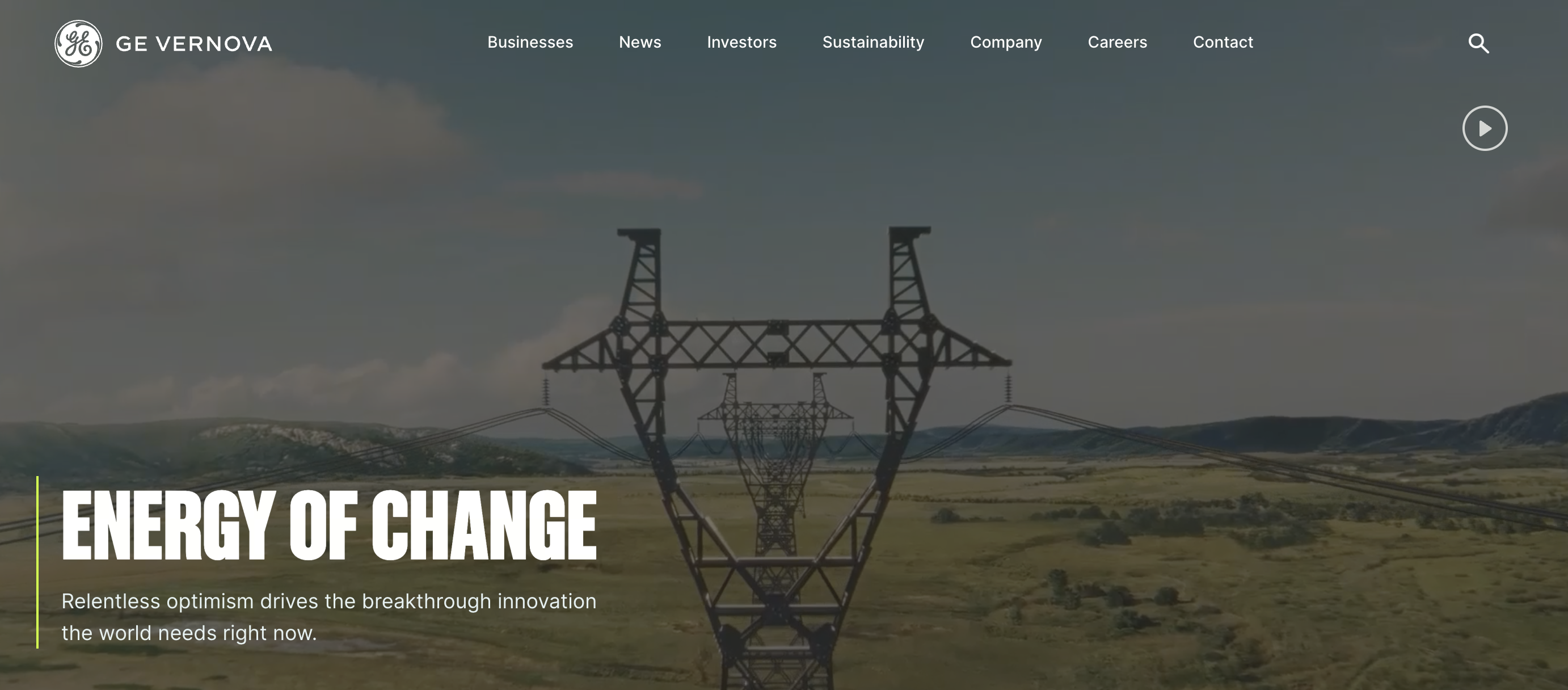
Source: gevernova.com
What Is GE Vernova (GEV)?
GE Vernova is a global industrial company operating across energy production, power systems, and electrification solutions. Its core business includes power generation equipment, wind energy systems, grid infrastructure, and energy software services.
Unlike traditional industrial manufacturers, GE Vernova places a strong emphasis on long-term energy infrastructure operations. Beyond selling large-scale energy equipment, the company provides long-term maintenance, system upgrades, and energy efficiency optimization services.
From an industry perspective, GE Vernova functions as a “comprehensive energy infrastructure platform.” The company is involved in power generation, power transmission, grid digitalization, and new energy integration—covering multiple segments of the energy value chain.
As the global energy landscape shifts from fossil fuels to new energy and electrification systems, GE Vernova is playing an increasingly vital infrastructure role in the worldwide energy transition.
Background of GE’s Spin-Off and Independent Listing
The creation of GE Vernova is directly tied to General Electric’s strategic spin-off. As one of America’s oldest and largest industrial conglomerates, GE historically operated across aviation, healthcare, energy, and finance.
However, as the global industrial landscape evolved and markets demanded greater specialization, GE initiated a series of spin-offs to boost operational efficiency and market valuation through independent company structures.
Under this strategy, GE’s energy business was consolidated as GE Vernova, while the aviation and healthcare businesses were spun off as separate, publicly listed companies. GE Vernova thus became the principal successor of GE’s energy operations.
From an industry standpoint, this restructuring is not just a corporate reorganization—it also signals a shift toward independent, long-term growth drivers in the energy, electrification, and infrastructure sectors.
GE Vernova’s Core Businesses
GE Vernova’s main business areas fall into three zones: power, wind energy, and electrification.
In power generation, the company has long invested in natural gas power generation equipment, steam turbines, and power system solutions, building a robust global infrastructure customer network.
In new energy, GE Vernova focuses on both onshore and offshore wind power and participates in numerous large-scale wind projects worldwide. As the energy transition accelerates, wind energy is becoming a key growth driver for the company.
Additionally, GE Vernova is active in grid and electrification systems, including transformers, grid automation, transmission systems, and energy digitalization software. These offerings are closely aligned with the global trend toward grid modernization.
GE Vernova’s Energy Transition Strategy
A core element of GE Vernova’s strategy is to drive the expansion of electrification infrastructure as part of the global energy transition. As more countries advance low-carbon and new energy initiatives, demand for power system upgrades continues to rise.
In this context, GE Vernova focuses on natural gas power generation, new energy equipment, and grid modernization, aiming to support the transition from traditional to new energy sources.
At the same time, the rise of AI data centers, electric vehicles, and industrial digitalization is further increasing global electricity demand. This means the energy infrastructure sector must not only expand generation capacity but also enhance transmission and grid stability.
Consequently, GE Vernova’s strategic focus extends beyond new energy equipment to building comprehensive infrastructure capabilities across the entire energy system.
GE Vernova’s Competitive Position in the Global Energy Marketplace
GE Vernova operates in one of the most competitive segments of the global energy infrastructure market. Its chief competitors include Siemens Energy, Mitsubishi Power, and various new energy equipment manufacturers.
Compared to more narrowly focused new energy companies, GE Vernova’s strength lies in its broad business scope—spanning traditional power generation equipment, wind energy, and grid systems—enabling it to participate in multiple energy markets.
The company’s long-standing relationships with major industrial clients and its global maintenance network also provide a competitive edge in securing long-term service contracts and supporting energy system operations.
However, the energy infrastructure industry is inherently cyclical, so market demand, policy shifts, and energy price volatility can all impact overall profitability.
GE Vernova’s Revenue Streams and Business Model
GE Vernova generates revenue from equipment sales, long-term maintenance services, and energy system solutions.
In the large-scale energy equipment industry, companies typically rely not just on one-time equipment sales but also on recurring revenue from long-term maintenance contracts. Natural gas turbines, grid equipment, and wind power systems all require ongoing maintenance and technical support.
As energy digitalization matures, software systems and grid automation services are also becoming increasingly important revenue streams for energy infrastructure companies.
This “equipment + long-term service” model is a standard operating structure for global industrial energy firms.
GEV Stock and Energy Transition Investment Thesis
In capital markets, GEV is typically viewed as an asset aligned with the energy transition and electrification trend. As global investment in new energy continues to rise, the energy infrastructure sector is drawing greater attention.
The rapid growth of AI data centers, the adoption of electric vehicles, and the trend toward industrial electrification are all fueling global electricity demand. This suggests ongoing demand for grid upgrades and new power system construction.
Accordingly, some market participants believe GE Vernova’s long-term growth potential stems not just from new energy, but from the broader, global upgrade of power systems.
Nevertheless, the energy infrastructure sector is capital-intensive, and its growth trajectory is subject to macroeconomic conditions, energy policies, and capital expenditure cycles.
GE Vernova’s Strengths, Limitations, and Potential Risks
GE Vernova’s key strength is its long-established global energy infrastructure expertise. By covering power generation, new energy, and grid systems, the company is well-positioned to participate in multiple directions of the energy transition.
Global energy demand growth, grid modernization, and rising electricity consumption driven by AI also present substantial long-term opportunities for the industry.
However, the energy equipment industry faces certain limitations. For example, profitability in wind energy can be highly volatile, and large-scale energy projects often require lengthy construction periods, making the sector sensitive to macroeconomic trends.
Furthermore, changes in energy policy, supply chain costs, and global economic cycles may affect investment pace and profitability in the energy infrastructure sector.
Summary
GE Vernova (GEV) is a global energy infrastructure company created through the spin-off of General Electric’s energy business, with core operations in power generation, wind energy, grid, and electrification systems.
As the global energy transition accelerates, grid modernization and the surge in electricity demand driven by AI are making GE Vernova’s sector a key target for infrastructure investment worldwide.
Through its focus on traditional power generation, new energy equipment, and electrification systems, GE Vernova illustrates the transformation path for large industrial energy companies in the evolving global energy landscape.
FAQ
What is GE Vernova (GEV)?
GE Vernova is a global energy infrastructure company covering power generation, wind energy, grid, and electrification systems, originally spun off from General Electric’s energy business.
What is the relationship between GE Vernova and GE?
GE Vernova was formerly part of General Electric’s energy business and became independently listed as a result of the GE group spin-off.
What are GE Vernova’s core businesses?
Its principal businesses include natural gas power generation, wind energy equipment, grid systems, and energy digitalization solutions.
Why is GEV associated with the energy transition?
GE Vernova’s business encompasses new energy, grid modernization, and electrification infrastructure, making it closely tied to global energy transition trends.
How does GE Vernova differ from Siemens Energy?
Both are global energy infrastructure companies, but GE Vernova emphasizes integrated energy systems and a strong presence in the US market, while Siemens Energy has greater influence in the European energy sector.