What Is Polygon?
 (Source: 0xPolygon)
Polygon (formerly Matic Network) is a Layer 2 scaling platform built on the Ethereum ecosystem. Its primary goal is to solve Ethereum’s long-standing issues with high gas fees and network congestion.
By combining sidechains, zero-knowledge proof (ZK) technology, and EVM-compatible architecture, Polygon delivers a faster, cheaper on-chain transaction environment. This has made it a key infrastructure for DeFi, NFTs, Web3 gaming, and payment applications. Today, Polygon is widely recognized as one of the most mature scaling solutions in the Ethereum ecosystem.
Why Is Polygon Important?
While Ethereum is one of the largest smart contract platforms, it faces several limitations:
- Slow transaction speeds
- High gas fees
- Network congestion during peak hours
- Difficulty supporting large-scale applications simultaneously
Polygon enables developers to deploy applications at lower cost, provide faster transaction experiences, and lower the entry barrier—all while maintaining full interoperability with the Ethereum ecosystem. That’s why many Web3 projects choose to build on Polygon.
What Are the Core Features of Polygon?
-
Low Fees and High-Speed Transactions
One of Polygon’s biggest strengths is its dramatically lower transaction costs compared to the Ethereum mainnet. Users pay minimal gas fees for transfers, NFT trades, DeFi operations, and on-chain payments. Confirmation times are also much faster, making it ideal for high-frequency and high-volume use cases.
-
EVM-Compatible Architecture
Polygon supports the Ethereum Virtual Machine (EVM), allowing Ethereum developers to port existing applications with minimal changes. This simplifies smart contract development, lowers migration costs, and enables direct use of Ethereum tools. As a result, a large number of Web3 teams have joined the Polygon ecosystem.
-
Multi-Chain and Modular Design
Polygon is not a single blockchain—it’s a multi-chain scaling framework.
Beyond Polygon PoS, the ecosystem includes:
- ZK Rollup technology
- App Chain architecture
- Various scaling tools
Developers can create customized blockchain environments based on their specific needs.
Polygon’s Latest Upgrade: Block Time Reduced to 1.5 Seconds
Recently, Polygon completed a mainnet performance upgrade, reducing the average block generation time from 1.75 seconds to 1.5 seconds—the second such reduction since the mainnet launch. While this may seem like a small improvement, for a blockchain processing thousands of transactions per second, even a 0.25-second reduction can yield significant performance gains.
The upgrade allows transactions to be packed into blocks and confirmed faster, reducing network latency and user wait times. Higher block frequency also increases the network’s total processing capacity. The Polygon team estimates that this change boosts payment transaction throughput by approximately 16%, improving the user experience during peak traffic.
Key benefits of this update include:
- Faster transaction confirmation
- Lower network latency
- Higher overall throughput
- Enhanced real-time payment capability
- Reduced congestion risk
 (Source: 0xPolygon)
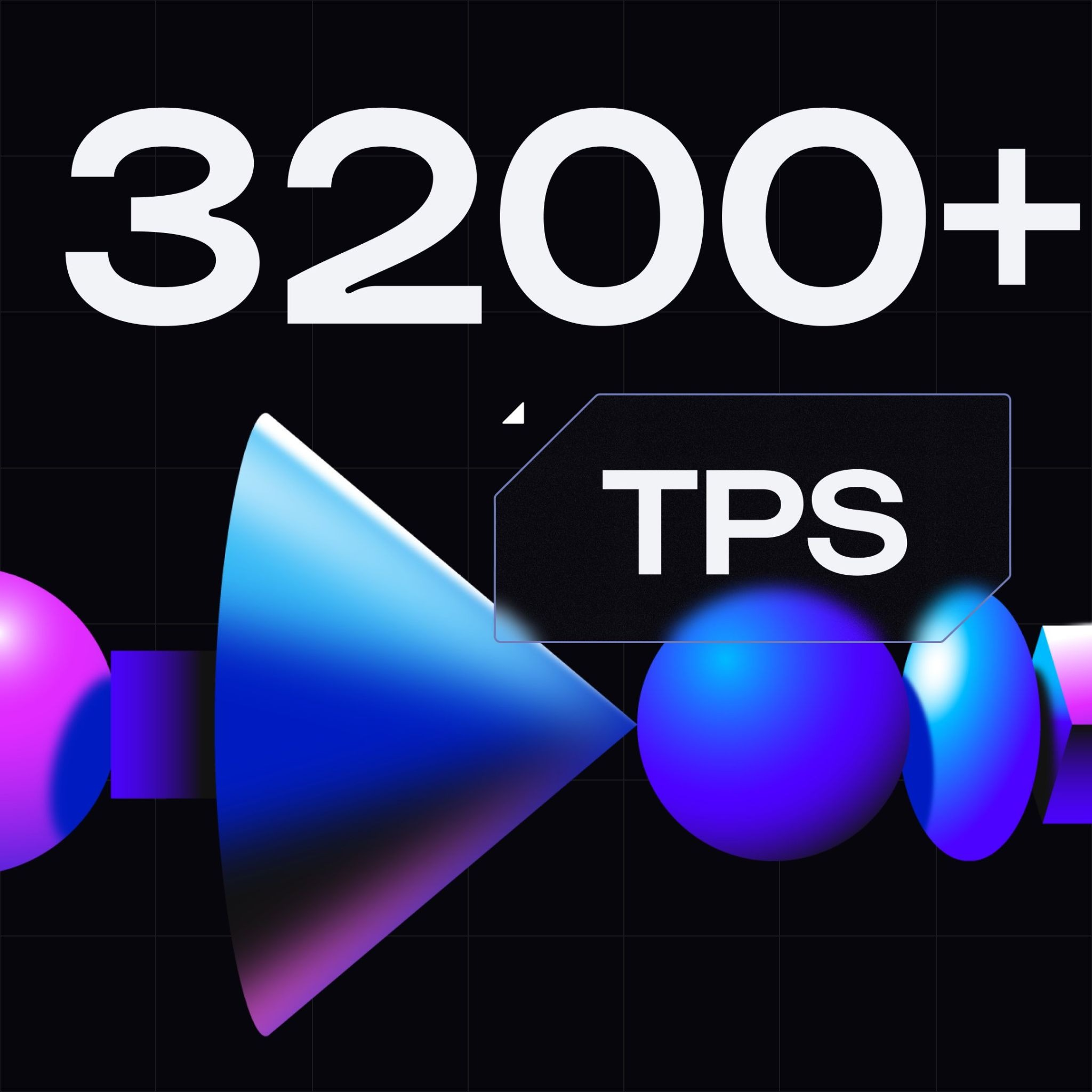
As one of the most active Ethereum scaling networks, Polygon’s theoretical throughput already reaches thousands of TPS. With on-chain payments, gaming, DeFi, and RWA applications growing rapidly, improving network efficiency while maintaining security and decentralization has become a key battleground for Layer 2 infrastructure—and faster block times are a critical piece of that puzzle.
Why Is Polygon Aggressively Pursuing Stablecoin Payments?
The blockchain industry has recently turned its attention to on-chain payments, and Polygon is moving quickly to capture this market.
Polygon’s features make it a natural fit for payment use cases:
- Low fees
- High speed
- Stablecoin support
- Ethereum ecosystem interoperability
Polygon recently introduced a privacy payment feature that protects stablecoin transactions using zero-knowledge proofs (ZK Proofs).
This mechanism hides transaction amounts, sender addresses, and recipient addresses, while still allowing compliance checks such as KYT (Know Your Transaction).
Polygon and the Institutional Market
Beyond Web3 users, Polygon has been actively developing institutional-grade financial applications in recent years.
Examples include:
- Stablecoin payments
- Financial settlement
- Enterprise blockchain applications
- Private transaction systems
By offering higher efficiency and compliance tools, Polygon aims to attract traditional financial institutions into the on-chain market.
Why Did Visa Choose Polygon?
Global payments giant Visa recently expanded its stablecoin payment testing to include support for Polygon.
The collaboration is designed to test:
- Whether stablecoins can improve cross-border payment efficiency
- Whether settlement times can be shortened
- Whether traditional financial costs can be reduced
This signals that Polygon is steadily becoming part of the global payment infrastructure.
What Are Polygon’s Key Use Cases?
The Polygon ecosystem is now widely used in:
- DeFi – Lending, DEXs, and yield protocols.
- NFT – Many NFT projects and brands choose Polygon to cut transaction costs.
- Web3 Gaming – A low-cost environment for trading in-game assets.
- Stablecoin Payments – Ideal for high-frequency micropayments and cross-border transfers.
- Enterprise Blockchain – Helping businesses build on-chain services and digital asset systems.
Possible Future Directions for Polygon
Going forward, Polygon is likely to focus on:
- ZK technology upgrades
- Stablecoin payments
- Institutional financial markets
- AI and blockchain integration
- Multi-chain interoperability
As Web3 applications continue to scale, the importance of high-performance Layer 2 infrastructure will only grow.
Summary
Polygon is one of the most important Layer 2 scaling solutions in the Ethereum ecosystem. By combining low costs, high speed, and EVM compatibility, it has dramatically improved the blockchain application experience. In recent years, Polygon has not only strengthened its technical performance but also aggressively entered the stablecoin payment and institutional finance markets. From block time reductions to privacy features, Polygon is evolving from a pure scaling solution into a comprehensive on-chain financial infrastructure platform.
FAQ
-
What is Polygon?
Polygon is a Layer 2 scaling platform built on the Ethereum ecosystem. Through low costs, high speed, and EVM-compatible architecture, it helps developers and users reduce transaction costs and improve the blockchain application experience.
-
How is Polygon different from Ethereum?
Polygon does not replace Ethereum—it complements it as a scaling solution. Compared to the Ethereum mainnet, Polygon offers lower gas fees, faster transaction confirmations, and higher throughput, all while remaining interoperable with the Ethereum ecosystem.
-
What are the main use cases for Polygon?
Polygon is widely used in DeFi, NFTs, Web3 gaming, stablecoin payments, and enterprise blockchain services. Its low transaction costs and fast processing make it especially suitable for high-frequency trading, micropayments, and large-scale on-chain applications.







