

Trade
Basic
Futures
Futures
Hundreds of contracts settled in USDT or BTC
Options
HOT
Trade European-style vanilla options
Unified Account
Maximize your capital efficiency
Demo Trading
Futures Kickoff
Get prepared for your futures trading
Futures Events
Futures Mall
Participate in events to win generous rewards
Demo Trading
Use virtual funds to experience risk-free trading
Earn
Launch
CandyDrop
Collect candies to earn airdrops
Launchpool
Quick staking, earn potential new tokens
HODLer Airdrop
Hold GT and get massive airdrops for free
Launchpad
Be early to the next big token project
Alpha Points
NEW
Trade on-chain assets and enjoy airdrop rewards!
Futures Points
NEW
Earn futures points and claim airdrop rewards
Investment
Simple Earn
Earn interests with idle tokens
Auto-Invest
Auto-invest on a regular basis
Dual Investment
Buy low and sell high to take profits from price fluctuations
Soft Staking
Earn rewards with flexible staking
Crypto Loan
0 Fees
Pledge one crypto to borrow another
Lending Center
One-stop lending hub
VIP Wealth Hub
Customized wealth management empowers your assets growth
Private Wealth Management
Customized asset management to grow your digital assets
Quant Fund
Top asset management team helps you profit without hassle
Staking
Stake cryptos to earn in PoS products
Smart Leverage
NEW
No forced liquidation before maturity, worry-free leveraged gains
GUSD Minting
Use USDT/USDC to mint GUSD for treasury-level yields

More


Trending Topics
View More52.57K Popularity
11.72K Popularity
11.1K Popularity
5.35K Popularity
4.47K Popularity
Hot Gate Fun
View More- MC:$3.44KHolders:10.00%
- MC:$3.43KHolders:10.00%
- MC:$3.43KHolders:10.00%
- MC:$3.42KHolders:10.00%
- MC:$3.41KHolders:10.00%



Pin
Gate Square New & Returning Creator Rewards are ongoing!
Your ideas may be more valuable than you think!
Make your first post or come back post to share a $20,000 monthly prize pool!
Post with #MyFirstPostOnSquare to receive a $50 Position Voucher each
Monthly Top Posters and Top Engagers will each earn an extra $50 reward
Your crypto insights could inspire many—start creating today!
👉 https://www.gate.com/postGate Square “Creator Certification Incentive Program” — Recruiting Outstanding Creators!
Join now, share quality content, and compete for over $10,000 in monthly rewards.
How to Apply:
1️⃣ Open the App → Tap [Square] at the bottom → Click your [avatar] in the top right.
2️⃣ Tap [Get Certified], submit your application, and wait for approval.
Apply Now: https://www.gate.com/questionnaire/7159
Token rewards, exclusive Gate merch, and traffic exposure await you!
Details: https://www.gate.com/announcements/article/47889
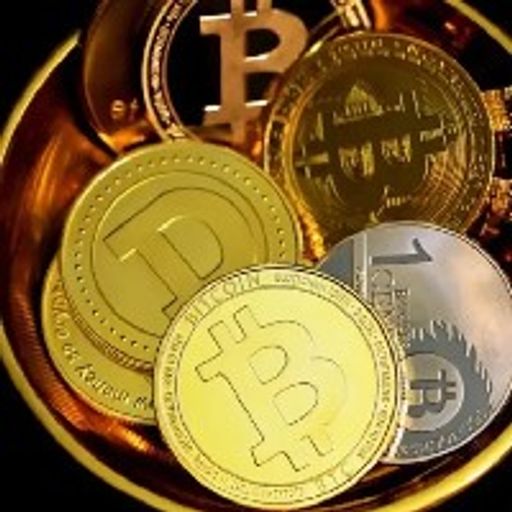
#CryptoRegulationNewProgress
The Legal Evolution and Future of Digital Assets
While the cryptocurrency market has experienced a period of turbulent growth and volatility since the early 2020s, we are witnessing a distinct process of maturation on the regulatory front as we enter 2026. The term "Wild West" is now being replaced by more structured, comprehensive, and innovative approaches from states and international institutions toward digital assets. The hashtag #CryptoRegulationNewProgress is the most concrete indicator of this transformation.
1. EU: The "Digital Euro" Move Post-MiCA
The European Union took a pioneering step in 2024 with MiCA (Markets in Crypto-Assets Regulation) and fully implemented it by 2025. As of January 2026, the EU is observing the initial effects of MiCA and preparing to add new layers upon this successful foundation.
Current Development: The European Central Bank (ECB) has announced the successful completion of the pilot phase for the "Digital Euro" project. This move aims to popularize the use of blockchain technology in retail payments and strengthen the bridge between decentralized finance (DeFi) and traditional finance. Additionally, work is underway on a new legislative framework draft dubbed "MiCA II," which aims to regulate DeFi protocols and NFTs in greater detail.
2. USA: The SEC's Conciliatory Approach and ETPs
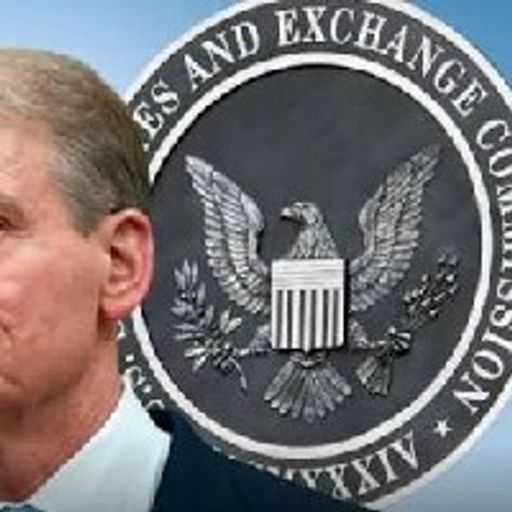
In the United States, the tension between the Securities and Exchange Commission (SEC) and the crypto industry is giving way to a more constructive dialogue, a shift that began in late 2025 and gained momentum in 2026.
Current Development: In January, the SEC approved the first spot Exchange-Traded Product (ETP) application based on Ether (ETH). This followed the previously approved Bitcoin ETPs and has generated significant excitement in the market. Analysts suggest this step could pave the way for similar products for other altcoins. Furthermore, efforts in the U.S. Congress have accelerated for a bipartisan bill that legally defines stablecoins and sets clear rules for their issuers.
3. Asia: Hong Kong and Singapore’s Ambition to be Global Crypto Hubs
Asia has always been a dynamic region regarding crypto regulations. In 2026, Hong Kong and Singapore are consolidating their goals of becoming global crypto innovation hubs.
Current Development: In January, Hong Kong fully implemented its new licensing regime, expanding virtual asset trading services for retail investors. Meanwhile, the Monetary Authority of Singapore (MAS) released a new report on the energy consumption and environmental impacts of digital assets, announcing it will provide a framework for "green crypto" incentives. These steps aim for responsible and sustainable crypto development.
Future Note: Regulation as a Catalyst, Not a Brake, for Innovation
#CryptoRegulationNewProgress shows us that digital assets are no longer a temporary trend but a permanent part of the financial system. Although regulations may initially impose some restrictions on innovation, in the long run, they become a catalyst by increasing investor confidence, encouraging institutional participation, and making markets more transparent.
"2026 will go down in history as the year the crypto market not only grew but also matured and settled on a legal foundation. This marks the beginning of an exciting era, not just for investors, but for the entire financial ecosystem.