Trade
Basic
Futures
Futures
Hundreds of contracts settled in USDT or BTC
Options
HOT
Trade European-style vanilla options
Unified Account
Maximize your capital efficiency
Demo Trading
Futures Kickoff
Get prepared for your futures trading
Futures Events
Participate in events to win generous rewards
Demo Trading
Use virtual funds to experience risk-free trading
Earn
Launch
CandyDrop
Collect candies to earn airdrops
Launchpool
Quick staking, earn potential new tokens
HODLer Airdrop
Hold GT and get massive airdrops for free
Launchpad
Be early to the next big token project
Alpha Points
NEW
Trade on-chain assets and enjoy airdrop rewards!
Futures Points
NEW
Earn futures points and claim airdrop rewards
Investment
Simple Earn
Earn interests with idle tokens
Auto-Invest
Auto-invest on a regular basis
Dual Investment
Buy low and sell high to take profits from price fluctuations
Soft Staking
Earn rewards with flexible staking
Crypto Loan
0 Fees
Pledge one crypto to borrow another
Lending Center
One-stop lending hub
VIP Wealth Hub
Customized wealth management empowers your assets growth
Private Wealth Management
Customized asset management to grow your digital assets
Quant Fund
Top asset management team helps you profit without hassle
Staking
Stake cryptos to earn in PoS products
Smart Leverage
NEW
No forced liquidation before maturity, worry-free leveraged gains
GUSD Minting
Use USDT/USDC to mint GUSD for treasury-level yields

More

Trending Topics
View More22.7K Popularity
8.28K Popularity
6.62K Popularity
4.12K Popularity
91.42K Popularity
Hot Gate Fun
View More- MC:$3.64KHolders:10.00%
- MC:$3.63KHolders:10.00%
- MC:$3.94KHolders:21.33%
- MC:$3.65KHolders:10.00%
- MC:$3.72KHolders:30.11%





Pin
Have Fun With A Quiz in Gate Chat Group & Unlock Big Rewards!
Venue: Gate Chat Group
Time: Jan. 7, 04:00 AM (UTC)
💡 Rules:
‣ The quiz has 5 easy questions about Gate
‣ 2 lucky winners will be picked for each question with a $5 Position Voucher each
➜ How:
Open Gate App » Click at the bottom of "Home"-"Chat" » Enter Gate Chat Group or
➜ Click the Link to Enter: https://gate.onelink.me/Hls0/group?chatroom=groupGate Square New & Returning Creator Rewards are ongoing!
Your ideas may be more valuable than you think!
Make your first post or come back post to share a $20,000 monthly prize pool!
Post with #MyFirstPostOnSquare to receive a $50 Position Voucher each
Monthly Top Posters and Top Engagers will each earn an extra $50 reward
Your crypto insights could inspire many—start creating today!
👉 https://www.gate.com/postGate Square “Creator Certification Incentive Program” — Recruiting Outstanding Creators!
Join now, share quality content, and compete for over $10,000 in monthly rewards.
How to Apply:
1️⃣ Open the App → Tap [Square] at the bottom → Click your [avatar] in the top right.
2️⃣ Tap [Get Certified], submit your application, and wait for approval.
Apply Now: https://www.gate.com/questionnaire/7159
Token rewards, exclusive Gate merch, and traffic exposure await you!
Details: https://www.gate.com/announcements/article/47889Your First Words Matter!
Share your first post on and split $10,000 in New Year rewards.
Post with #My2026FirstPost to share your New Year wish
2026U Position Voucher, Gate New Year boxes, F1 Red Bull merch await you!
Ends on Jan 15, 2026, 16:00 UTC
2026 starts with this post!Gate 2025 Year-End Gala Square TOP50 List Announced!
The final ranking phase is now live.
Earn Votes by watching live streams and posting.
30 Votes = 1 chance — support your favorite creators now!
👉 https://www.gate.com/activities/community-vote-2025
iPhone 17 Pro Max, JD gift cards, Mi Band, Gate merch await you!
Creators are welcome to rally fans to climb the rankings and win rewards!
Voting ends: Jan 20, 02:00 UTC
Details: https://www.gate.com/announcements/article/48693
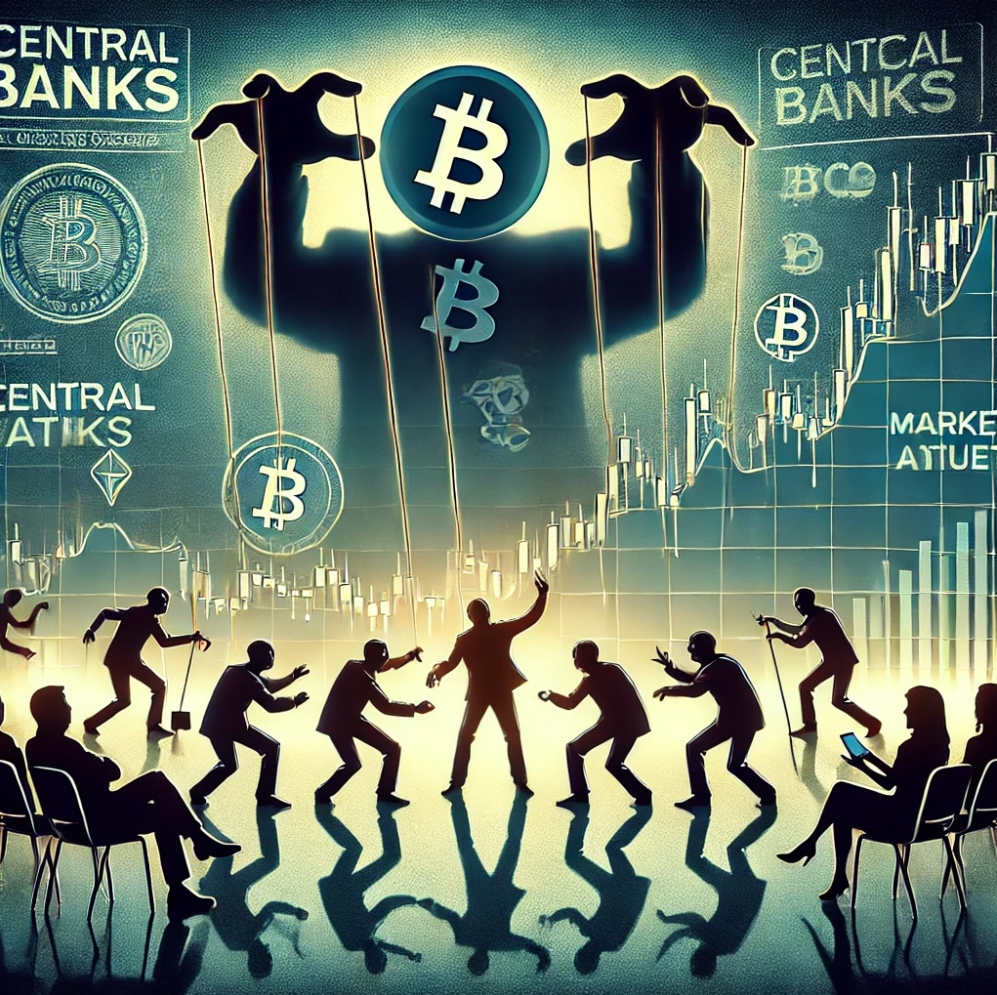
Who is the Market Maker? Who is manipulating the market?
In the Cryptocurrency market, the term “Market Makerdealer” usually refers to those investors or institutions with huge capital and resources, who are able to significantly influence market prices through large buy and sell operations. However, who the real Market Makerdealer is remains a highly complex and difficult-to-determine issue.
1. Large institutions and Hedging funds
Some well-known large Financial Institutions and Hedging funds are considered the main players in the encryption market. They have huge capital and advanced trading technology, allowing them to move funds quickly in the market and conduct large-scale buying and selling operations. These institutions often have a significant impact on market prices in a short period of time through algorithmic trading and high-frequency trading strategies.
2. CryptocurrencyWhale
The so-called “Whale” refers to individuals or entities holding a large amount of Cryptocurrency. These Whales are usually investors who have accumulated a large amount of BTC or other Cryptocurrency at low prices in the early stages. Their large one-time trades can trigger drastic market Fluctuation.
3. Cryptocurrency exchange
Some exchanges may also act as market manipulators. By mastering a large amount of market data and order flow, these exchanges are able to observe market trends and may influence market prices through proprietary trading.
Market Manipulation Techniques
1. Whipsaw
Whipsaw is a market maker causing panic in the market by dumping a large amount of assets, leading to a rapid price drop and forcing retail investors to sell at a low price. Then the market maker accumulates again in a lower price range. This process is usually accompanied by high trading volume and intense fluctuation.
2. Pump and Dump
After the Accumulation is completed, the dealer will buy a large amount to push up the price and attract more followers to get on board. When the price reaches the expected target, the dealer starts to sell in batches to maximize profits. This process is usually accompanied by optimistic market sentiment and a large number of buy orders.
Bottom Accumulation Strategy
1. 分批Build a Position
The dealer does not buy a large amount of assets at once, but buys them in batches at different price ranges to avoid market detection and drastic price fluctuations. This allows for a steady accumulation of sufficient chips over a longer period of time.
2. Create fakeout
The dealer may create some fakeouts to lure retail investors to buy or sell. In this way, they can further clean up the floating chips and ensure that they absorb more chips at a low position.
3. Manipulating Market Sentiment
Dealers will use news, rumors, and market analysis reports to influence market sentiment. For example, releasing Favourable Information messages to boost prices, or releasing Unfavourable Information messages to suppress prices. The release of these information is often highly consistent with the intentions of the dealer.
How to Deal with Market Manipulation
As a Reverse investor, understanding the market manipulation techniques and the operation strategies of market maker is key to formulating effective investment strategies.
Avoid being influenced by market sentiment, especially during major fluctuations. Analyze market trends calmly and look for reasonable buying and selling opportunities.
Use the Technical Analysis tool to identify potential support and resistance levels, observe changes in Trading Volume and PA, and judge the dealer’s operational intent.
follow market information, but have the ability to discern and avoid blindly following the trend. Especially for sudden Favourable Information or Unfavourable Information messages, they should be treated with caution.
followReverse investors, understanding these techniques and market dynamics, staying calm and rational, can seize investment opportunities in severe fluctuations and achieve long-term stable returns.