# BitcoinRalliesOver5Percent

37.84K

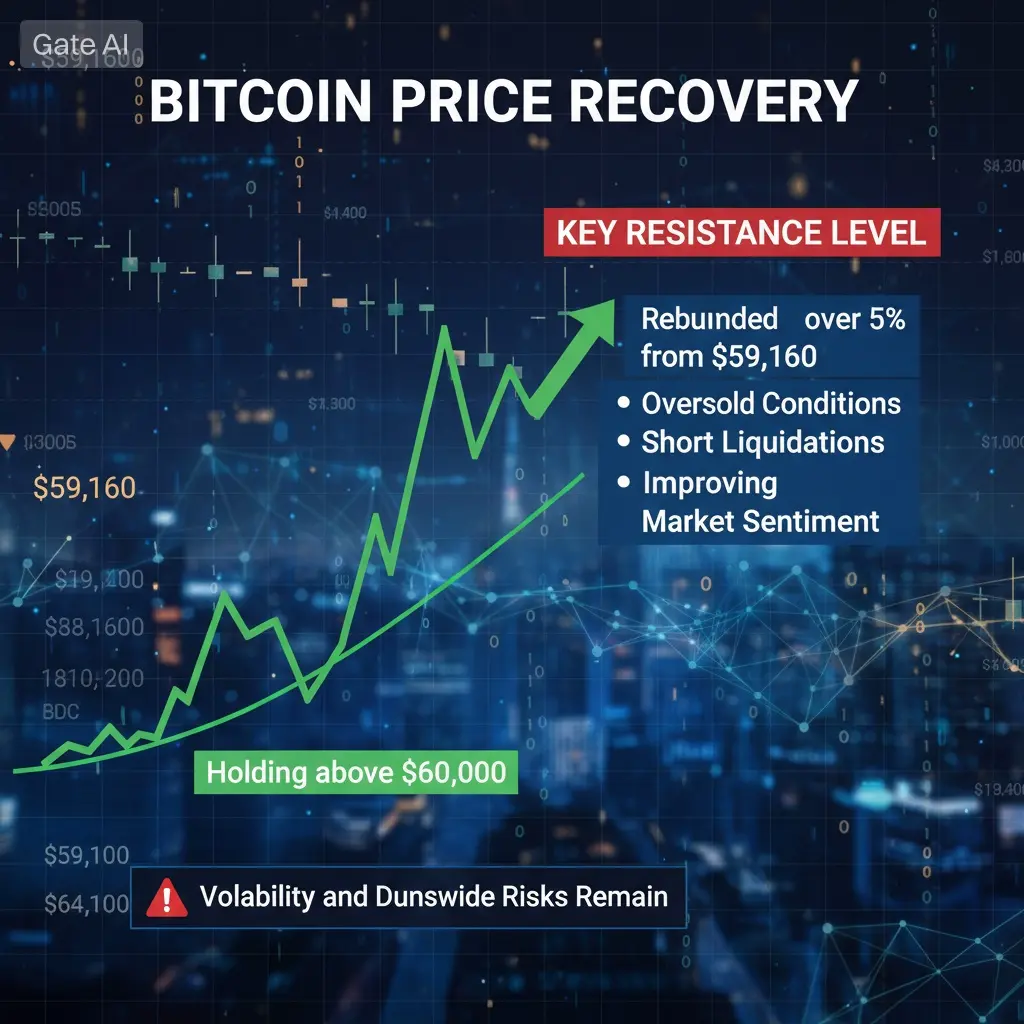
On June 8, Bitcoin extended its rebound, gaining more than 5 percent over the past 24 hours and climbing back above 63,000 US dollars, recovering most of its recent losses. The rate hike fears triggered by the strong nonfarm payrolls data have been partially digested, giving the market some breathing room. Ethereum, Solana and other major altcoins also moved higher. Whether this short-term rebound can sustain depends on upcoming macro data and capital flows. 📊 Source: Gate Market Data

📢 Gate Square | June 8th Hot Topics: #比特币回升5%
On June 8th, Bitcoin continued its rebound momentum, with a 24-hour increase of over 5%, successfully returning above $63,000 and reclaiming most of its previous losses! On the macro level, the panic over rate hikes triggered by non-farm payroll data has gradually been digested by the market, giving bulls a breather. Mainstream cryptocurrencies like ETH and SOL also surged in tandem. How far can this short-term rebound go? Come to the square to share your exclusive analysis!
🎁 Share your trades for a chance to win 5 lucky winners with $1,000 in
BTC0.67%
ETH1.53%
SOL2%
View Original
post-image
  • Reward
  • 12
  • Repost
  • Share
User_any:
LFG 🔥
View More
#BitcoinRalliesOver5Percent
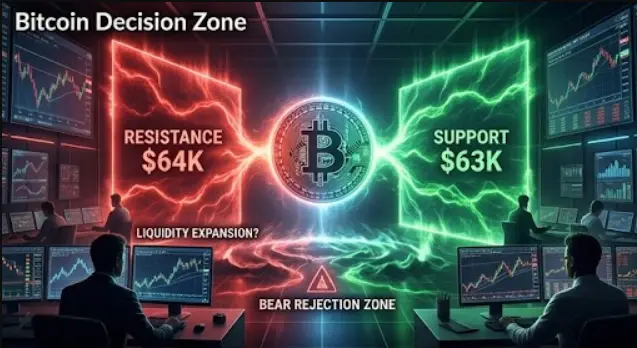
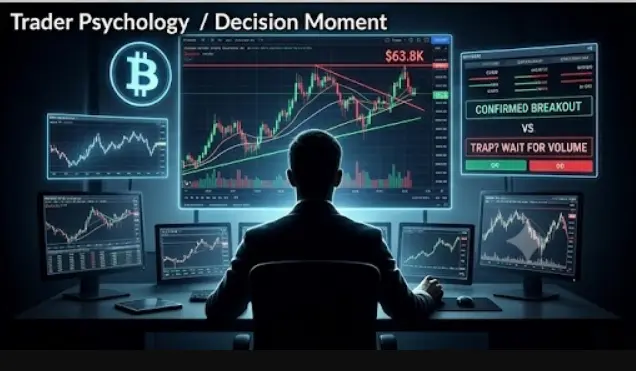
🚨 Bitcoin Rebound — Strength or Just a Liquidity Trap?
Bitcoin has bounced back above $63,000, gaining more than 5% in 24 hours — but this move is not as clean as it looks.
On the surface, it appears like recovery.
Under the surface, structure is still fragile.
This is what’s actually happening:
📉 Previous sell-off created oversold conditions (technical bounce factor)
💧 Leveraged positions were flushed out (short-term relief fuel)
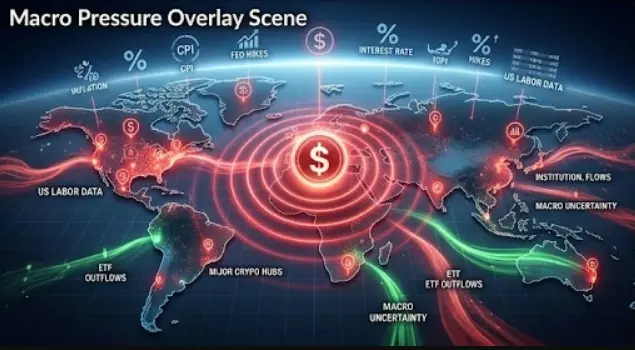
🌍 Macro fears (rate hike pressure) are only temporarily absorbed, not removed
Altcoins like ETH and SOL are simply following Bitcoi
BTC0.67%
ETH1.53%
SOL2%
post-image
post-image
post-image
post-image
GateSquare
📢 Gate Square | June 8th Hot Topics: #比特币回升5%
On June 8th, Bitcoin continued its rebound momentum, with a 24-hour increase of over 5%, successfully returning above $63,000 and reclaiming most of its previous losses! On the macro level, the panic over rate hikes triggered by non-farm payroll data has gradually been digested by the market, giving bulls a breather. Mainstream cryptocurrencies like ETH and SOL also surged in tandem. How far can this short-term rebound go? Come to the square to share your exclusive analysis!
🎁 Share your trades for a chance to win 5 lucky winners with $1,000 in position experience vouchers!
💬 This session's discussion:
1️⃣ Do you think BTC's rebound can continue, and where is the next key resistance level?
2️⃣ In the face of current market volatility, how do you plan to operate and position yourself recently?
Share now: https://www.gate.com/post
📅 Deadline: 6/10 18:00 (UTC+8)
repost-content-media
  • Reward
  • 2
  • Repost
  • Share
BabaJi:
📈 Bitcoin is moving, but the real question isn't how high it bounced—it's whether buyers can hold control after the rebound. In volatile markets, patience often beats chasing momentum. 🚨 #BitcoinRalliesOver5Percent
View More
#BitcoinRalliesOver5Percent
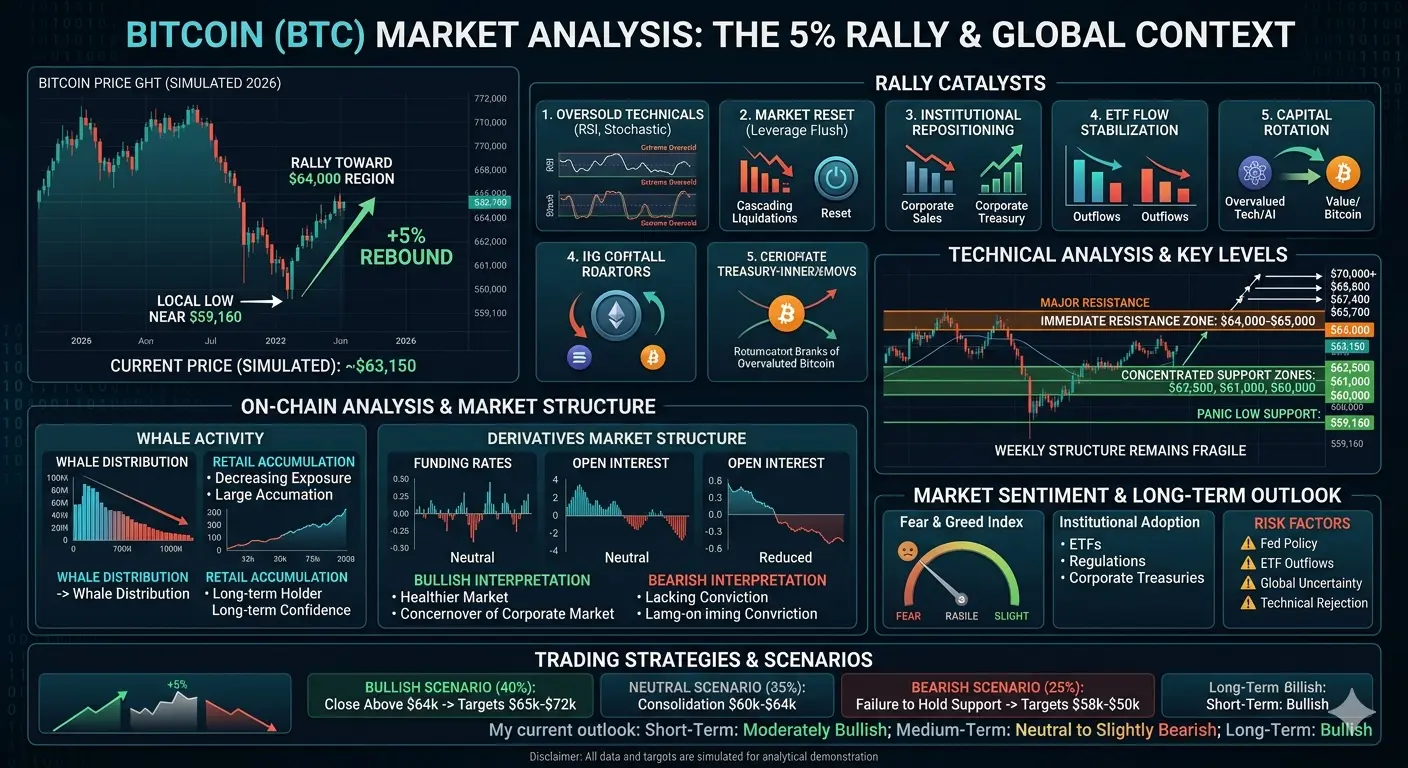
Bitcoin has experienced a significant rally exceeding five percent, with the price climbing from the critical support level of $59,150 to reach approximately $64,000 before settling around $63,150. This price movement has captured the attention of traders and analysts worldwide, prompting extensive discussion about the underlying causes and future trajectory of the world's leading cryptocurrency.
The rally from $59,150 to the $64,000 zone represents a substantial upward movement of approximately 8.2%, which is indeed notable given the recent bearish sentiment that
post-image
post-image
post-image
post-image
  • Reward
  • 16
  • Repost
  • Share
ShainingMoon:
2026 GOGOGO 👊
View More
The "add more dots" signal worked again.
On June 7, Michael Saylor posted a familiar chart on X showing Strategy's Bitcoin acquisition tracker with the caption "A good time to add more dots." In crypto circles, this phrase has become a reliable pre-announcement signal — and within 24 hours, the 8-K filing confirmed exactly what the market expected.
Between June 1 and 7, Strategy purchased 1,550 Bitcoin for $101.3 million at an average price of $65,332 per coin. The buy brought total holdings to 845,256 BTC, or roughly 4% of the entire Bitcoin supply. To put the numbers in perspective: that sin
BTC0.67%
post-image
User_any
Public Companies Bought $575M in BTC and ETH Last Week
During June 1–7, public companies acquired 4,508 BTC (roughly $288 million) and added large ETH positions, according to Lookonchain data. Strategy led the Bitcoin buys with 1,550 BTC purchased at an average price of $65,332, costing about $101 million. Strive also added 32 BTC on the same day. On the Ethereum side, Bitmine acquired 126,971 ETH, valued at approximately $214 million at current prices — its largest single-week accumulation of 2026. The company now holds roughly 5.54 million ETH, representing about 4.59% of Ethereum's circulating supply. Combined, the two companies accounted for just over half of the $575 million total institutional accumulation last week.
DEX Activity Picked Up Sharply
Trading on decentralized exchanges rebounded strongly during the same period. Spot volume rose 64% week-over-week, while perpetuals volume climbed 69%. The surge in on-chain trading suggests renewed engagement from market participants even as prices remained under pressure. Whether this activity translates into sustained momentum depends on whether spot demand follows.
Stablecoin Market Cap Contracted by $3.47 Billion
The total stablecoin market capitalization declined by $3.47 billion last week. The contraction signals liquidity leaving the market rather than waiting on the sidelines for reallocation, which could make a sustained recovery harder to maintain without fresh capital inflows.
Funding Rates Turned Negative
Bitcoin perpetual futures funding rates have moved into negative territory, with the annualized rate near minus 2%. This indicates that bearish traders are now more confident and willing to pay to hold short exposure. When funding rates are negative, shorts are paying longs — a setup that historically has preceded sharp short squeezes if price moves against them.
Where the Short Squeeze Risk Actually Sits
Crowded short positions have accumulated between $63,000 and $66,000. If Bitcoin rebounds toward $66,000, an estimated $2.6 billion in short positions could be forced out. By comparison, a further decline from current levels to $57,000 would put about $1.2 billion in long positions at risk. This asymmetry makes the current range more dangerous for bears than the headline price action suggests.
Technical support sits between $59,000 and $62,000, which aligns with the zone where funding flipped negative. On June 5, Bitcoin briefly fell below $60,000, touching $59,100, before bouncing back above $62,000. The clean test of that support zone and the subsequent recovery confirm its significance.
What This Means for Positioning
The leverage reset has removed much of the crowded long positioning that fueled the prior drawdown. Open interest has fallen substantially, and funding now tilts toward short-heavy. Cleaner positioning means the market is less prone to cascading liquidations on the downside, but it does not replace lost spot demand.
Bitcoin ETF outflows remain a headwind. US spot Bitcoin ETFs posted 13 consecutive days of net outflows through last week, totaling $4.33 billion. Until ETF flows stabilize or reverse, upside conviction will remain limited.
For now, the structure favors a potential relief rally driven by short covering, but sustained upside requires fresh spot demand — which has not yet materialized.
This content is for informational purposes only and does not constitute financial advice. Always conduct your own research.
#BitcoinRalliesOver5Percent
$BTC $ETH
repost-content-media
  • Reward
  • 17
  • Repost
  • Share
Unforgettable:
2026 GOGOGO 👊
View More
#比特币回升5%
The June 8th rebound was a textbook relief rally: BTC surged back above $63K with a 5% daily gain, ETH and SOL followed, and macro fears from NFP-driven rate hike panic eased. Let’s break this down:
Key Resistance Levels
BTC $65K zone: This is the immediate resistance, where sellers previously capped upside. A clean break could open the path toward $68K.
BTC $68K–70K band: Heavy supply zone, overlapping with moving averages and prior distribution. Bulls need strong volume to reclaim this.
ETH $3,500: ETH’s rebound aligns with BTC, but $3.5K is the key ceiling.
SOL $160: SOL’s rally
BTC0.67%
ETH1.53%
SOL2%
post-image
post-image
  • Reward
  • 12
  • Repost
  • Share
ShainingMoon:
To The Moon 🌕
View More
#BTC
𝘽𝙞𝙩𝙘𝙤𝙞𝙣 𝙈𝙖𝙧𝙠𝙚𝙩 𝙊𝙪𝙩𝙡𝙤𝙤𝙠 𝙅𝙪𝙣𝙚 𝟮𝟬𝟮𝟲 — 𝙈𝙖𝙘𝙧𝙤 𝙋𝙧𝙚𝙨𝙨𝙪𝙧𝙚, 𝙇𝙞𝙦𝙪𝙞𝙙𝙞𝙩𝙮 𝘾𝙮𝙘𝙡𝙚 & 𝙋𝙧𝙞𝙘𝙚 𝙎𝙩𝙧𝙪𝙘𝙩𝙪𝙧𝙚
The current phase of Bitcoin shows a clear transition from speculative momentum into a macro-driven liquidity contraction environment, where price behavior is increasingly influenced by global financial tightening rather than crypto-native catalysts. As of June 8, 2026, Bitcoin is trading at approximately $63,500 USDT, reflecting recent volatility after a sharp correction of nearly 20% from its recent peak. This type of price action indi
BTC0.67%
MrFlower_XingChen
#BTC
𝘽𝙞𝙩𝙘𝙤𝙞𝙣 𝙈𝙖𝙧𝙠𝙚𝙩 𝙊𝙪𝙩𝙡𝙤𝙤𝙠 𝙅𝙪𝙣𝙚 𝟮𝟬𝟮𝟲 — 𝙈𝙖𝙘𝙧𝙤 𝙋𝙧𝙚𝙨𝙨𝙪𝙧𝙚, 𝙇𝙞𝙦𝙪𝙞𝙙𝙞𝙩𝙮 𝘾𝙮𝙘𝙡𝙚 & 𝙋𝙧𝙞𝙘𝙚 𝙎𝙩𝙧𝙪𝙘𝙩𝙪𝙧𝙚
The current phase of Bitcoin shows a clear transition from speculative momentum into a macro-driven liquidity contraction environment, where price behavior is increasingly influenced by global financial tightening rather than crypto-native catalysts. As of June 8, 2026, Bitcoin is trading at approximately $63,500 USDT, reflecting recent volatility after a sharp correction of nearly 20% from its recent peak. This type of price action indicates that the market is no longer in a pure bullish expansion phase, but instead operating within a highly sensitive equilibrium zone, where both upward recoveries and downward breakdowns are heavily dependent on liquidity conditions and institutional participation.
What makes the current structure particularly important is the dominance of macroeconomic forces over on-chain fundamentals. Strong U.S. labor data, rising Treasury yields, and a strengthening U.S. dollar have collectively created a headwind for risk assets, pushing investors to reduce exposure to volatile instruments like Bitcoin. At the same time, consecutive ETF outflows suggest that institutional capital is actively rotating away from crypto and into sectors perceived as more stable or more immediately profitable, particularly AI-driven equities and traditional tech infrastructure plays. This rotation has weakened the structural support behind Bitcoin’s rally attempts, making each rebound more fragile and less sustainable unless backed by renewed inflows.
From a sentiment perspective, the market is currently in a fear-dominant but reactive phase, where traders are responding aggressively to macro signals rather than long-term conviction. Even though Bitcoin has managed to stabilize above key psychological levels after its recent decline, the lack of consistent inflows means the recovery lacks depth. This creates a market environment where rallies are often interpreted as temporary relief rather than structural reversals. The introduction of volatility-focused instruments such as CME’s Bitcoin volatility futures also highlights how institutional players are adapting to this regime, treating Bitcoin increasingly as a tradable volatility asset rather than a directional growth asset.
Technically, Bitcoin remains in a wide consolidation band with elevated volatility, where liquidity pockets above and below current price levels are constantly tested. In such conditions, price direction becomes less predictable and more dependent on external macro catalysts such as inflation data, interest rate expectations, and ETF flow reversals. The key bullish trigger would be a sustained return of institutional inflows combined with a weakening dollar environment, which could restore momentum and reintroduce trend continuation dynamics. Without these conditions, the market risks remaining stuck in a choppy, range-bound structure with frequent false breakouts and liquidity-driven reversals.
From a strategic perspective, this environment demands a disciplined and defensive approach rather than aggressive leverage-based positioning. The most important factor is not chasing short-term moves but understanding liquidity cycles and macro alignment. Bitcoin is currently acting as a global risk appetite indicator, meaning its price reflects broader investor confidence in liquidity conditions rather than isolated crypto fundamentals. In this sense, the current market is less about prediction and more about timing exposure around macro inflection points.
Overall, Bitcoin’s June 2026 outlook is defined by macro uncertainty, institutional hesitation, and fragile liquidity recovery attempts, with price stability heavily dependent on external financial conditions. Until a clear shift in liquidity direction occurs, volatility will remain elevated and directional conviction will stay limited.
#BitcoinRalliesOver5Percent #ShareYourUSStocksWinNvidia
repost-content-media
  • Reward
  • 18
  • Repost
  • Share
ShainingMoon:
To The Moon 🌕
View More
#BTC
𝘽𝙞𝙩𝙘𝙤𝙞𝙣 𝙈𝙖𝙧𝙠𝙚𝙩 𝙊𝙪𝙩𝙡𝙤𝙤𝙠 𝙅𝙪𝙣𝙚 𝟮𝟬𝟮𝟲 — 𝙈𝙖𝙘𝙧𝙤 𝙋𝙧𝙚𝙨𝙨𝙪𝙧𝙚, 𝙇𝙞𝙦𝙪𝙞𝙙𝙞𝙩𝙮 𝘾𝙮𝙘𝙡𝙚 & 𝙋𝙧𝙞𝙘𝙚 𝙎𝙩𝙧𝙪𝙘𝙩𝙪𝙧𝙚
The current phase of Bitcoin shows a clear transition from speculative momentum into a macro-driven liquidity contraction environment, where price behavior is increasingly influenced by global financial tightening rather than crypto-native catalysts. As of June 8, 2026, Bitcoin is trading at approximately $63,500 USDT, reflecting recent volatility after a sharp correction of nearly 20% from its recent peak. This type of price action indi
BTC0.67%
MrFlower_XingChen
#BTC
𝘽𝙞𝙩𝙘𝙤𝙞𝙣 𝙈𝙖𝙧𝙠𝙚𝙩 𝙊𝙪𝙩𝙡𝙤𝙤𝙠 𝙅𝙪𝙣𝙚 𝟮𝟬𝟮𝟲 — 𝙈𝙖𝙘𝙧𝙤 𝙋𝙧𝙚𝙨𝙨𝙪𝙧𝙚, 𝙇𝙞𝙦𝙪𝙞𝙙𝙞𝙩𝙮 𝘾𝙮𝙘𝙡𝙚 & 𝙋𝙧𝙞𝙘𝙚 𝙎𝙩𝙧𝙪𝙘𝙩𝙪𝙧𝙚
The current phase of Bitcoin shows a clear transition from speculative momentum into a macro-driven liquidity contraction environment, where price behavior is increasingly influenced by global financial tightening rather than crypto-native catalysts. As of June 8, 2026, Bitcoin is trading at approximately $63,500 USDT, reflecting recent volatility after a sharp correction of nearly 20% from its recent peak. This type of price action indicates that the market is no longer in a pure bullish expansion phase, but instead operating within a highly sensitive equilibrium zone, where both upward recoveries and downward breakdowns are heavily dependent on liquidity conditions and institutional participation.
What makes the current structure particularly important is the dominance of macroeconomic forces over on-chain fundamentals. Strong U.S. labor data, rising Treasury yields, and a strengthening U.S. dollar have collectively created a headwind for risk assets, pushing investors to reduce exposure to volatile instruments like Bitcoin. At the same time, consecutive ETF outflows suggest that institutional capital is actively rotating away from crypto and into sectors perceived as more stable or more immediately profitable, particularly AI-driven equities and traditional tech infrastructure plays. This rotation has weakened the structural support behind Bitcoin’s rally attempts, making each rebound more fragile and less sustainable unless backed by renewed inflows.
From a sentiment perspective, the market is currently in a fear-dominant but reactive phase, where traders are responding aggressively to macro signals rather than long-term conviction. Even though Bitcoin has managed to stabilize above key psychological levels after its recent decline, the lack of consistent inflows means the recovery lacks depth. This creates a market environment where rallies are often interpreted as temporary relief rather than structural reversals. The introduction of volatility-focused instruments such as CME’s Bitcoin volatility futures also highlights how institutional players are adapting to this regime, treating Bitcoin increasingly as a tradable volatility asset rather than a directional growth asset.
Technically, Bitcoin remains in a wide consolidation band with elevated volatility, where liquidity pockets above and below current price levels are constantly tested. In such conditions, price direction becomes less predictable and more dependent on external macro catalysts such as inflation data, interest rate expectations, and ETF flow reversals. The key bullish trigger would be a sustained return of institutional inflows combined with a weakening dollar environment, which could restore momentum and reintroduce trend continuation dynamics. Without these conditions, the market risks remaining stuck in a choppy, range-bound structure with frequent false breakouts and liquidity-driven reversals.
From a strategic perspective, this environment demands a disciplined and defensive approach rather than aggressive leverage-based positioning. The most important factor is not chasing short-term moves but understanding liquidity cycles and macro alignment. Bitcoin is currently acting as a global risk appetite indicator, meaning its price reflects broader investor confidence in liquidity conditions rather than isolated crypto fundamentals. In this sense, the current market is less about prediction and more about timing exposure around macro inflection points.
Overall, Bitcoin’s June 2026 outlook is defined by macro uncertainty, institutional hesitation, and fragile liquidity recovery attempts, with price stability heavily dependent on external financial conditions. Until a clear shift in liquidity direction occurs, volatility will remain elevated and directional conviction will stay limited.
#BitcoinRalliesOver5Percent #ShareYourUSStocksWinNvidia
repost-content-media
  • Reward
  • 9
  • Repost
  • Share
MasterChuTheOldDemonMasterChu:
Steadfast HODL💎
View More
#IranAttacksIsrael #BitcoinRalliesOver5Percent 📈 Market Update: Bitcoin Reclaims $63,000—Is the Bottom In?
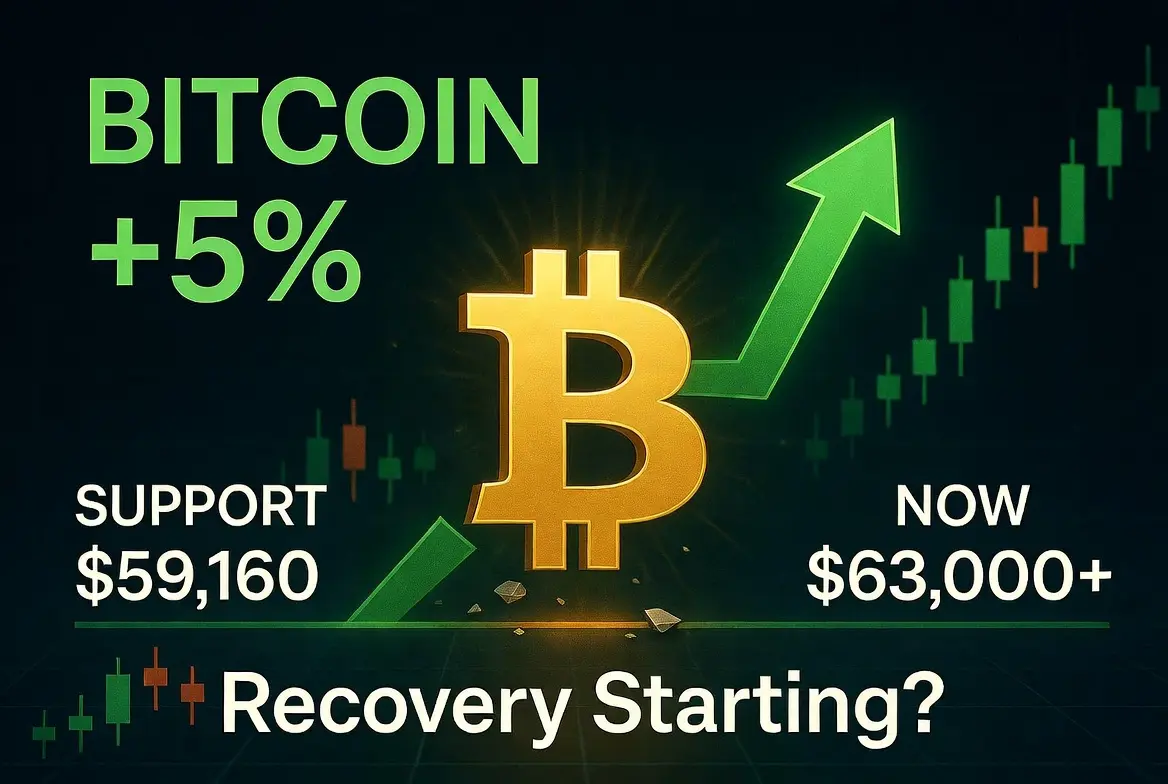
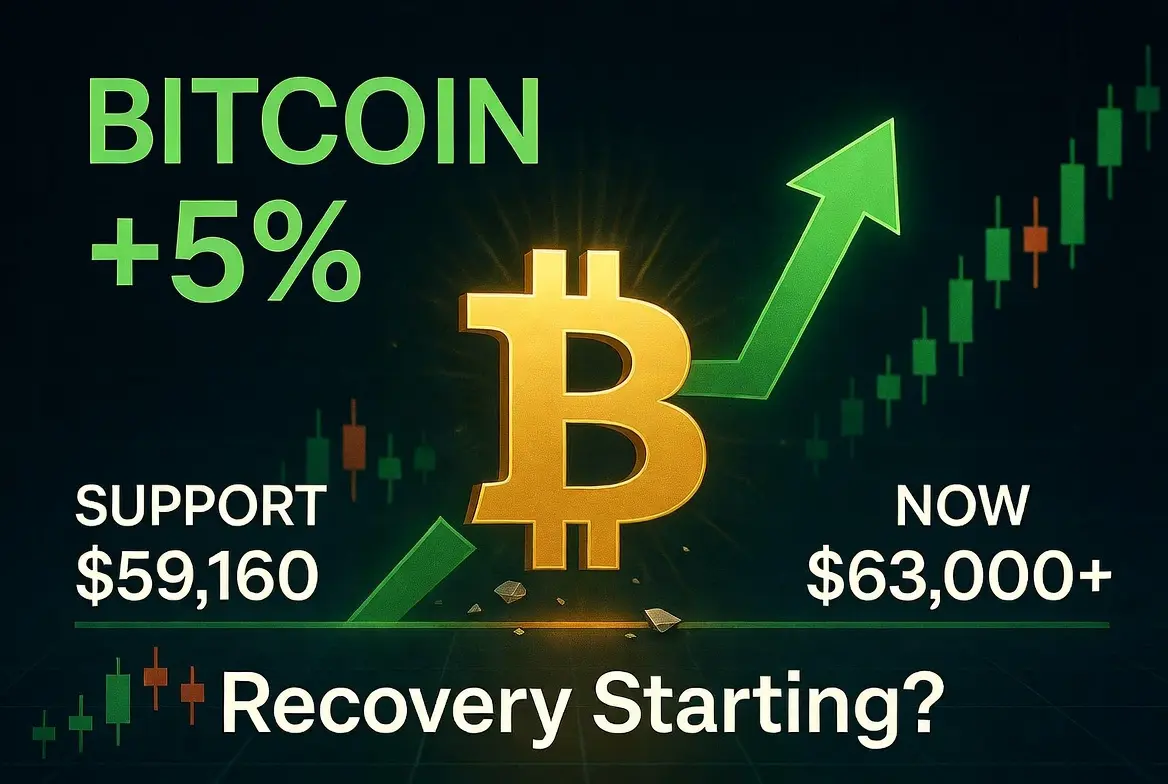
Bitcoin has staged an impressive, high-momentum comeback. After testing a multi-month low near $59,160, intense buying pressure triggered a sharp reversal, pushing BTC back above the critical $63,000 psychological threshold.
This rapid 5%+ bounce has injected fresh optimism into a market recently battered by macroeconomic tightening fears and geopolitical risks. Here is an institutional-grade breakdown of the mechanics driving this rally, the key technical levels to watch, and strategic
BTC0.67%
post-image
post-image
  • Reward
  • 9
  • Repost
  • Share
Yusfirah:
2026 GOGOGO 👊
View More
#比特币回升5%
Bitcoin's Recovery Above $63,000 Is About More Than Price—It Is About Market Maturity
Bitcoin climbing back above the $63,000 level has attracted plenty of attention, but focusing only on the percentage gain risks missing the much bigger story unfolding beneath the surface. Markets often reveal their true character not during periods of optimism but during moments of uncertainty, and the recent recovery may be one of the clearest examples of that principle.
Over the past several days, financial markets have been forced to absorb multiple sources of pressure simultaneously. Stronger-t
BTC0.67%
post-image
post-image
  • Reward
  • 9
  • Repost
  • Share
Syeda:
2026 GOGOGO 👊
View More
#BitcoinRalliesOver5Percent
#比特币回升5%
Bitcoin Reclaims $63,000: Is This the Beginning of a Larger Recovery or Just the First Step?
June 8, 2026 has delivered a major shift in market sentiment as Bitcoin surged more than 5% within 24 hours and successfully reclaimed the $63,000 level. After days of uncertainty, aggressive selling pressure, and widespread concerns regarding macroeconomic developments, the market has finally shown signs of renewed strength. This rebound has restored confidence across the digital asset sector and triggered strong gains among major cryptocurrencies, including Ethe
Yusfirah
#BitcoinRalliesOver5Percent
#比特币回升5%
Bitcoin Reclaims $63,000: Is This the Beginning of a Larger Recovery or Just the First Step?
June 8, 2026 has delivered a major shift in market sentiment as Bitcoin surged more than 5% within 24 hours and successfully reclaimed the $63,000 level. After days of uncertainty, aggressive selling pressure, and widespread concerns regarding macroeconomic developments, the market has finally shown signs of renewed strength. This rebound has restored confidence across the digital asset sector and triggered strong gains among major cryptocurrencies, including Ethereum and Solana. While many investors were preparing for a deeper correction, Bitcoin's ability to recover such a significant portion of its losses has changed the conversation entirely.
The most important question now is whether this rebound has enough strength to continue or whether it represents a temporary recovery before another period of consolidation. From my perspective, the answer depends on several factors, including market liquidity, investor confidence, institutional participation, and the ability of buyers to defend newly established support levels. The speed of this recovery suggests that a large amount of capital was waiting for lower prices and quickly entered the market once selling pressure began to weaken. Such behavior often indicates that market participants continue viewing pullbacks as opportunities rather than reasons for panic.
Why Bitcoin Recovered So Quickly
One of the primary reasons behind the rebound is the market's reaction to recent economic concerns. Earlier fears surrounding monetary policy expectations created uncertainty across risk assets, leading to widespread selling. As investors gradually processed this information, panic began fading and risk appetite started returning. Bitcoin benefited significantly from this shift in sentiment.
Another important factor is Bitcoin's growing maturity as a financial asset. Compared with previous market cycles, institutional involvement has become much larger. Large investors often view significant corrections differently from retail participants. While short-term traders may react emotionally during periods of volatility, professional investors frequently focus on long-term trends, strategic accumulation, and portfolio allocation. The recent rebound suggests that confidence among larger market participants remains intact despite temporary uncertainty.
In my experience, some of the strongest market recoveries begin when sentiment reaches extreme negativity. When fear dominates discussions, expectations become heavily skewed toward further declines. As soon as the market stops falling and begins recovering, many traders find themselves underexposed and rush to re-enter positions. This creates additional buying pressure that can accelerate upward momentum.
The Next Resistance Level That Everyone Is Watching
Although Bitcoin has successfully reclaimed $63,000, the real test lies ahead. Markets rarely move in a straight line after a sharp recovery. Resistance zones often attract profit-taking activity from traders who purchased lower and wish to secure gains. This creates a battle between buyers attempting to continue the rally and sellers looking to capitalize on recent strength.
For me, the key indicator is whether Bitcoin can continue building a structure of higher lows. Healthy bullish trends typically establish support at progressively higher levels, demonstrating that buyers remain willing to enter the market even after price advances. If Bitcoin manages to maintain this structure while gradually approaching higher resistance areas, the probability of a sustained recovery increases significantly.
Volume will also play a crucial role. Price appreciation supported by strong participation tends to be more sustainable than rallies driven by limited activity. Therefore, I will continue monitoring whether buying demand remains strong during future advances.
My Personal Market View
Based on current conditions, I believe the broader market remains in a constructive position despite ongoing volatility. Digital assets have experienced tremendous growth in adoption, infrastructure development, institutional acceptance, and technological innovation over recent years. These structural developments continue providing long-term support for the asset class.
At the same time, I believe traders should maintain realistic expectations. Every major bull market experiences corrections, periods of uncertainty, and temporary pullbacks. These phases are a natural component of market behavior. Strong trends often require periods of consolidation before the next major move develops.
One lesson I have learned throughout my trading journey is that successful investing requires balancing optimism with discipline. Blind enthusiasm can be dangerous, yet excessive fear can cause investors to miss significant opportunities. Maintaining objectivity allows traders to evaluate market conditions more effectively and make better decisions.
How I Am Positioning Myself During Current Volatility
My current approach centers on flexibility and risk management. Rather than attempting to predict every short-term movement, I focus on reacting to confirmed market developments. When the market demonstrates strength and establishes supportive technical structures, I become more comfortable increasing exposure. When uncertainty rises, preserving capital becomes the priority.
I also pay close attention to market psychology. Many traders become overly aggressive after strong rallies and excessively fearful after corrections. In my experience, the best opportunities often emerge when emotions reach extremes. Remaining patient and following a structured plan helps avoid many common mistakes.
Another important aspect of my strategy involves avoiding unnecessary leverage during highly volatile conditions. While leverage can amplify gains, it can also magnify losses dramatically. Sustainable success comes from consistency rather than attempting to achieve extraordinary returns through excessive risk.
My Advice to Traders Watching This Rebound
The current market environment provides an important reminder that patience remains one of the most valuable skills in trading. Many participants become frustrated when markets move sideways or experience temporary weakness. However, those periods often create the foundation for future opportunities.
My advice is simple:
Focus on protecting capital before pursuing profits. A trader with preserved capital can always participate in future opportunities. A trader who experiences significant losses may struggle to recover emotionally and financially.
Develop a clear plan before entering any position. Define entry levels, profit objectives, and risk limits in advance. Decisions made during calm moments are usually far superior to decisions made during emotional market swings.
Continue learning and adapting. Financial markets evolve constantly, and successful traders remain students of the market regardless of experience level.
Most importantly, avoid allowing short-term price fluctuations to dictate long-term conviction. The strongest investors are often those who maintain discipline while others react emotionally.
Final Thoughts
Bitcoin's recovery above $63,000 represents an important victory for bullish market participants and demonstrates the resilience that has characterized the asset throughout its history. The rebound has improved sentiment, restored confidence, and created renewed optimism across the broader cryptocurrency market.
Whether this move develops into a larger trend will depend on how buyers respond to upcoming resistance levels and whether market momentum continues strengthening. The coming days could provide valuable insight into the next phase of market direction.
From my perspective, the recent recovery reinforces a principle that has remained true throughout every market cycle: opportunities often emerge when uncertainty is greatest. While volatility will almost certainly remain part of the journey, disciplined traders who focus on risk management, patience, and long-term thinking are often best positioned to navigate whatever comes next.
The market has delivered a strong response. Now the focus shifts to whether the bulls can transform this rebound into a sustained advance that carries Bitcoin toward the next major stage of its 2026 journey.
#比特币回升5%
repost-content-media
  • Reward
  • 11
  • Repost
  • Share
ShainingMoon:
To The Moon 🌕
View More
Load More