مع تطور منظومة البيتكوين من مجرد مخزن للقيمة إلى منصة تدعم إصدار الأصول وطبقات التطبيقات، جاء بروتوكول Runes ليقدم طريقة تمثيل للأصول تتوافق بعمق مع بنية UTXO الأصلية في البيتكوين. أتاح هذا التطور للبيتكوين معالجة منطق الأصول المعقدة بما يتجاوز التحويلات التقليدية. وانطلاقًا من ذلك، بدأت مشاريع جديدة في استكشاف سبل تطوير أنظمة أصول أكثر انتشارًا وتفاعلية على البيتكوين.
تعتمد هذه الأنظمة عادةً على آليات إصدار الأصول، ونماذج نشر يقودها المجتمع، وسرديات تضفي القيمة. وتتشكل مكانة كل مشروع ومسار تطوره في منظومة البيتكوين من خلال تفاعل هذه العناصر معًا.
ما هو CRYPTOBURG؟
يُعد CRYPTOBURG مشروعًا من طبقة التطبيقات ضمن منظومة البيتكوين، قائمًا على آلية أصول Runes، ويركز على إصدار الأصول الرقمية، وتفعيل المجتمع، ونشر القيمة. بخلاف الرموز التقليدية المعتمدة على العقود الذكية، ترتبط هذه الأصول مباشرة ببنية UTXO للبيتكوين، ما يجعل تمثيلها أكثر أصالة في الشبكة.

فيما يخص كيفية العمل، لا يعتمد CRYPTOBURG على منطق عقود معقدة، بل يستخدم بروتوكول Runes لإنشاء الأصول وتحويلها ضمن طبقة المعاملات. تضمن هذه المقاربة بقاء الأصول منسجمة مع بنية معاملات البيتكوين، وتقلل من تعقيد النظام، وترفع مستوى الشفافية وقابلية التحقق.
من الناحية الهيكلية، يجمع CRYPTOBURG بين أصول طبقة التطبيقات وأنظمة المجتمع، حيث تُستَخدم الأصول كجسر يربط بين تصرفات المستخدم وانتشار الشبكة. يمنح هذا التصميم الأصول خصائص على السلسلة، ويستفيد من تفاعل المجتمع لتوسيع التأثير، ما يرسخ له مكانة فريدة داخل منظومة أصول البيتكوين.
العلاقة بين CRYPTOBURG وبروتوكول Runes
يمنح بروتوكول Runes البيتكوين وسيلة مبسطة لإصدار الأصول، حيث يُسمح بإنشاء الرموز وتحويلها من خلال بنية UTXO. ويستند منطق أصول CRYPTOBURG أساسًا إلى آليات الإصدار والإدارة التي يوفرها Runes.
عمليًا، يدمج Runes بيانات محددة في المعاملات بغرض إنشاء الأصول وتوزيعها. تُلغي هذه الطريقة الحاجة إلى طبقة عقود إضافية، ما يُبقي الأصول متوافقة مع هيكل معاملات البيتكوين الأصلية. وكنتيجة لذلك، يمكن تداول أصول CRYPTOBURG مباشرة على شبكة البيتكوين.
من منظور التصميم، تعني هذه التبعية أن قابلية المشروع للتوسع تحددها قواعد بروتوكول Runes، إلا أنها تمنحه في الوقت ذاته شفافية واتساقًا عاليين. ويُحقق هذا التوازن بنية فريدة تجمع بين التعقيد وسهولة الاستخدام.
دور CRYPTOBURG في منظومة أصول البيتكوين
تُصنف المشاريع داخل منظومة أصول البيتكوين عادةً إلى طبقة أساسية، أو طبقة بروتوكول، أو طبقة تطبيقات. يندرج CRYPTOBURG ضمن طبقة التطبيقات، حيث تكمن مهمته الرئيسية في بناء قنوات تفاعل المستخدمين من خلال الأصول والسرد القصصي.
في هذا السياق، تتولى الطبقة الأساسية أمن الشبكة وحسم المعاملات، فيما تدير طبقة البروتوكول (مثل Runes) تمثيل الأصول، بينما تركز طبقة التطبيقات على استخدام الأصول وتوزيعها. وعبر دمج الأصول والمجتمع، يُنشئ CRYPTOBURG واجهة تفاعل بين المستخدمين والأصول ضمن النظام.
تعكس هذه الوضعية أن قيمة المشروع لا تستند إلى الابتكار التقني المحض، بل إلى الجمع وتطبيق آليات قائمة—وهو توجه شائع في منظومة البيتكوين، لا سيما في المشاريع المجتمعية.
ديناميكيات المجتمع والميم في CRYPTOBURG
يشكل المجتمع وثقافة الميم جوهر بنية CRYPTOBURG. ففي منظومة البيتكوين، يعتمد انتشار الأصول غالبًا على إجماع المجتمع أكثر من الميزات التقنية.
تُستخدم الميمات الرموز البصرية والسرد القصصي لجعل الأصول أكثر وضوحًا وانتشارًا، ما يساعد على خفض عتبة تبني المجتمع لها. يوظف CRYPTOBURG هذه الديناميكية من خلال العلامة البصرية والسرد لتحفيز تفاعل المجتمع.
تعتمد عملية النشر على النشاط العضوي للمستخدمين، لا على الترويج المركزي. إذ يُسهم أعضاء المجتمع في تعزيز سيولة الأصول عبر إنشاء المحتوى، والمناقشة، والتداول. ويوفر هذا النموذج مرونة عالية، إلا أن استدامة النشاط تتطلب مشاركة مستمرة.
هيكل القيمة ومنطق الرموز في CRYPTOBURG
يرتكز هيكل القيمة في CRYPTOBURG على سيولة الأصول وإجماع المجتمع. فوفقًا لإطار Runes، تتحدد قيمة الأصول بسلوكيات السوق وتفاعل المستخدمين، وليس من خلال قواعد العقود.
تتداول الرموز عبر الإصدار والتحويل والاحتفاظ، بينما يحدد المشاركون في السوق الأسعار والطلب. وترتبط قيمة CRYPTOBURG ارتباطًا مباشرًا بنشاط المجتمع.
هذا النموذج "قائم على الإجماع"، أي أن قيمة الأصل تعتمد على قناعة المستخدمين بأهميته. ويُعد هذا التوجه مختلفًا جوهريًا عن الأصول المالية التقليدية، وأقرب إلى تقاطعات الثقافة الرقمية واقتصاديات المجتمع.
تطبيقات CRYPTOBURG وآفاق النمو
في طبقة التطبيقات، يُستخدم CRYPTOBURG في تداول الأصول، وتفاعل المجتمع، وتوسعة المنظومة. ولا تنحصر حالات الاستخدام في سيناريو محدد، بل تتوسع مع ظهور فرص جديدة.
تعمل الأصول كوسائل تداول وأدوات للمشاركة المجتمعية. فعلى بعض المنصات، يمكن للمستخدمين الانخراط في أنشطة عبر الاحتفاظ بالأصول أو تبادلها.
ويتوقف هذا النمو على التكامل مع تطبيقات خارجية ودعم منصات أخرى. ومع تزايد توافق الأدوات مع Runes، من المتوقع أن توسع مشاريع مثل CRYPTOBURG انتشارها، ما يُبرز مرونة طبقة التطبيقات.
دور السرديات المرتبطة بالذكاء الاصطناعي في CRYPTOBURG
مع نموها، تدمج CRYPTOBURG سرديات مرتبطة بالذكاء الاصطناعي لإبراز الإمكانيات المستقبلية للتعاون الآلي وشبكات الوكلاء. توسع هذه السرديات من آفاق المشروع ورؤيته.
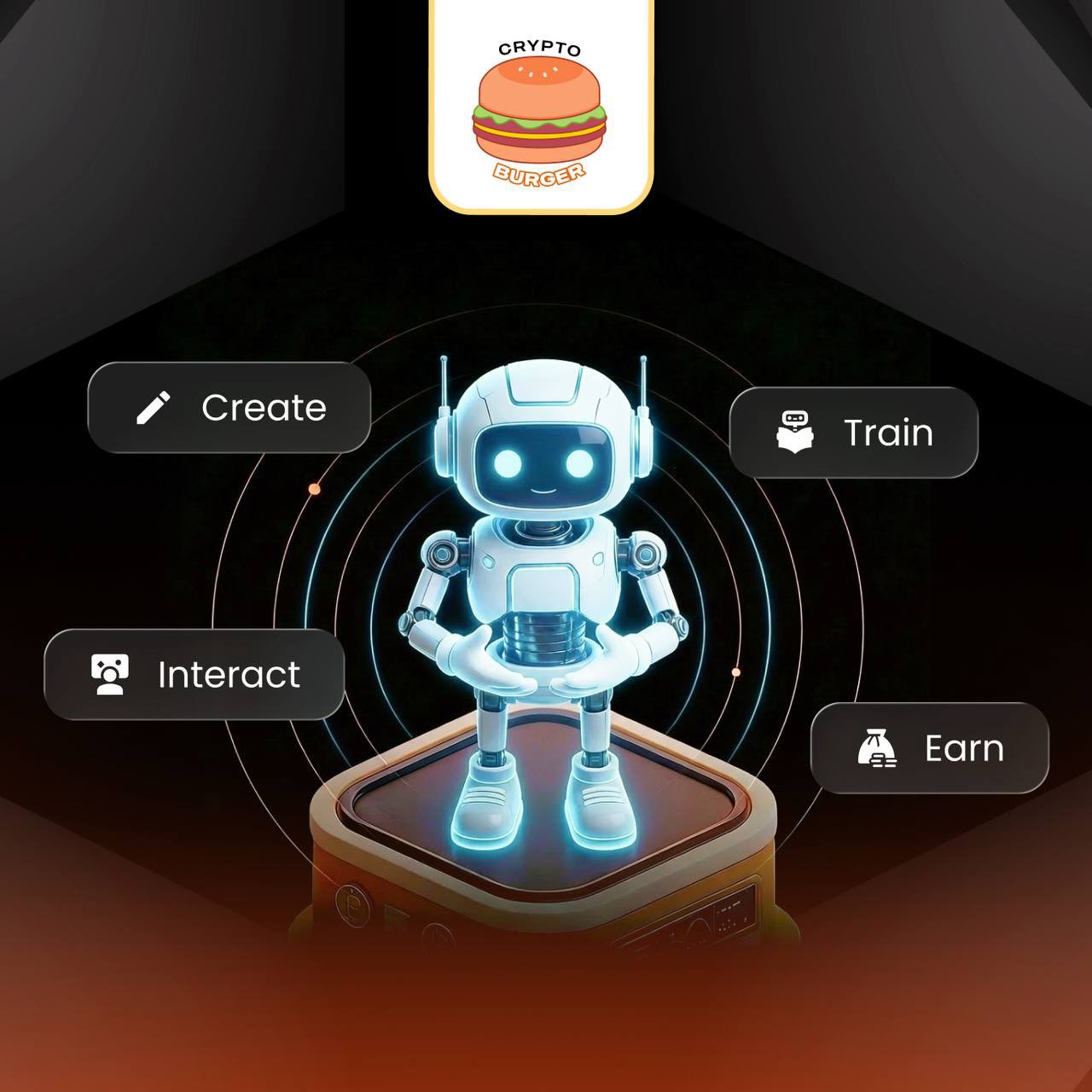
لا تُعد هذه السرديات تطبيقات تقنية ملموسة، بل تشكل إطارًا مفاهيميًا يربط المشروع بالاتجاهات التقنية الأوسع ويعزز أهميته في السوق.
هيكليًا، تمثل السرديات المرتبطة بالذكاء الاصطناعي "طبقة توسعية" لا تؤثر على جوهر CRYPTOBURG القائم على Runes. وتتيح هذه البنية الحفاظ على المنطق الأساسي مع استكشاف مسارات جديدة.
كيف يختلف CRYPTOBURG عن مشاريع البيتكوين الأخرى
| البُعد |
CRYPTOBURG |
مشاريع البيتكوين الأخرى |
| التموضع الأساسي |
أصول ومجتمع من طبقة التطبيقات |
بروتوكول أو بنية تحتية |
| الاعتماد التقني |
بروتوكول Runes |
بروتوكولات أو أدوات متعددة |
| مصدر القيمة |
إجماع المجتمع والنشر |
ميزات تقنية أو خدمات |
| نموذج النمو |
السرد وتوسعة المنظومة |
ترقيات تقنية أو تكامل |
| حالات الاستخدام |
التداول والتفاعل |
تطبيقات متنوعة |
يُظهر الجدول أن CRYPTOBURG يولي أهمية أكبر للمجتمع وآليات النشر، بينما تميل مشاريع أخرى للتركيز على الميزات التقنية. ويبرز ذلك تموضع CRYPTOBURG الثقافي القائم على الإجماع بدلًا من التركيز على التقنية وحدها.
الخلاصة
يمثل CRYPTOBURG مشروعًا من طبقة التطبيقات داخل منظومة البيتكوين، تم تطويره على بروتوكول Runes. بنيته الأساسية قائمة على إصدار الأصول، ونشر يقوده المجتمع، وتوسع سردي. وتستمد قيمته من مشاركة المستخدمين وإجماعهم، وليس من الابتكار التقني البحت.
الأسئلة الشائعة
ما نوع مشروع CRYPTOBURG؟
مشروع أصول ومجتمع من طبقة التطبيقات مبني على منظومة Bitcoin Runes.
ما دور بروتوكول Runes؟
يُشكل الأساس لإصدار الأصول وتحويلها، وهو الآلية التشغيلية الجوهرية لـ CRYPTOBURG.
ما مصدر قيمة CRYPTOBURG؟
القيمة مستمدة بالأساس من تفاعل المجتمع وإجماع السوق.
هل الذكاء الاصطناعي مكون تقني أساسي في CRYPTOBURG؟
الذكاء الاصطناعي يُستخدم كإطار سردي وتوسعي وليس كعنصر تقني رئيسي.
كيف يختلف CRYPTOBURG عن مشاريع التشفير التقليدية؟
يركز بصورة أكبر على تفاعل المجتمع والسمات الثقافية بدلاً من الاعتماد على ميزة تقنية واحدة.