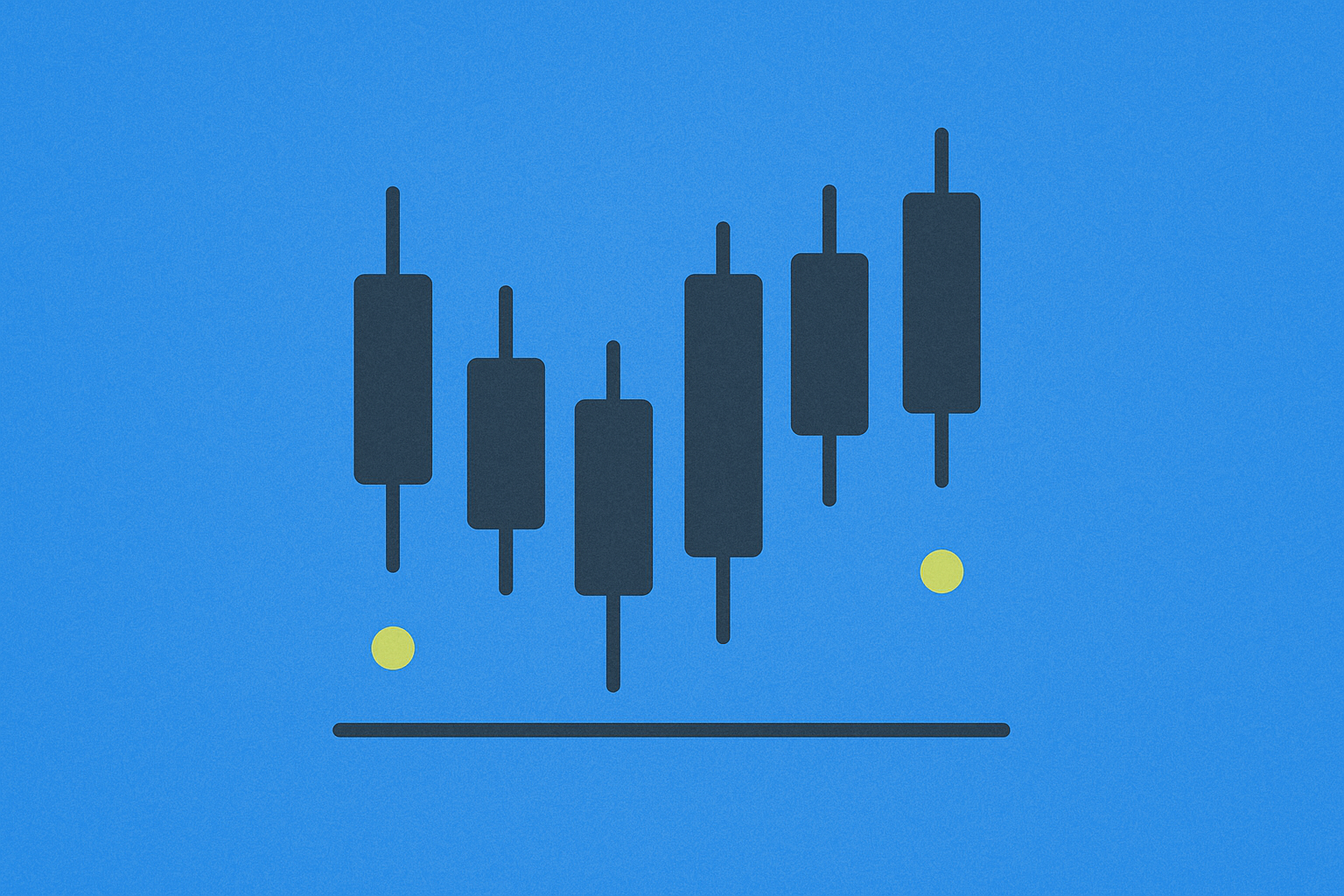
Discover the psychology behind Japanese candlesticks for traders on Gate. Analyze patterns, interpret signals, and develop trading strategies. This is your comprehensive technical analysis guide for cryptocurrency and financial markets.
Introduction
Japanese candlesticks are an analytical tool that captures investor psychology and the ongoing power struggle between buyers and sellers. Each candlestick tells a story of market movement, enabling traders and analysts to better interpret the behavior of financial market participants.
Buyers Have Full Control
A candlestick with a large, solid body and no shadows or only short shadows signals that buyers have complete control of the market. This formation demonstrates clear buyer strength and strong upward momentum. The lack or minimal presence of shadows highlights buyers' confidence and their ability to hold positions throughout the trading session.
Buyers Control the Market Despite Resistance
When a green candlestick features a relatively long upper shadow, it indicates buyers are in control but facing resistance from sellers. Nevertheless, buyers retain overall control. The long upper shadow shows that sellers attempted to drive prices lower, but buyers maintained their ground and closed the candlestick in positive territory.
Buyers Regain Control After Pressure
A long lower shadow signals that the market initially faced selling pressure, but buyers regained control and closed the candlestick in positive territory. This type of candle reflects a strong bullish response and a willingness to defend support levels. Traders often interpret this pattern as a sign of a potential uptrend continuation.
Weak and Unconvincing Buyer Control
A candlestick with a small body and a long shadow indicates weak and unconvincing buyer control. This pattern reflects market indecision and may signal a potential trend reversal. The small body suggests uncertainty, with neither side claiming a decisive advantage.
Conclusion
Japanese candlesticks are more than charting tools—they are a visual language that narrates market stories and explains participant behavior. Understanding the psychology behind each candlestick pattern helps traders make more informed decisions and anticipate future price movements. Every candlestick represents the ongoing contest between optimism and pessimism in the market.
FAQ
What are Japanese candlesticks, and what is their basic structure and components?
Japanese candlesticks are a technical analysis chart type comprising four key prices: open, close, high, and low. The structure includes the body (distance between open and close) and the wicks or shadows (above and below the body), illustrating price movement over a specific time period.
How should you interpret the open, close, high, and low prices on Japanese candlesticks?
A Japanese candlestick displays four key prices for a given period: open, close, high, and low. The body shows the open and close; a green candle signals price increase, while a red candle indicates a decline. The wicks represent the highest and lowest prices reached during the session.
What are the common Japanese candlestick formations, and what market signals do they represent?
Key formations: Engulfing pattern signals a trend reversal; Hammer indicates a potential reversal; Hanging Man warns of a possible decline. These patterns help traders identify critical entry and exit points.
What are the differences in applying Japanese candlesticks to stocks, forex, and cryptocurrency markets?
Japanese candlesticks function similarly across all markets, reflecting open, close, high, and low prices. The main difference lies in volatility: cryptocurrencies are more volatile, stocks are more stable, and forex falls in between. Crypto markets also experience higher trading volumes, resulting in sharper price swings. Patterns remain the same, but the speed of signal formation varies.
How do you use Japanese candlesticks to analyze trends and identify support and resistance levels?
Analyze candlestick patterns to identify trends. Support forms at the bottom of a decline, while resistance forms at the top of a rally. A breakout above resistance signals an uptrend; a breakdown below support signals a downtrend. Use these levels to inform entry and exit strategies.
How can you use Japanese candlesticks alongside other technical analysis tools such as moving averages and RSI?
Combine Japanese candlesticks with RSI to identify trends. RSI below 30 indicates oversold conditions; above 70 indicates overbought. Moving averages confirm trends. Used together, these tools enhance the accuracy of entry and exit points.
What common mistakes do beginner traders make when using Japanese candlesticks?
Beginners often focus too much on individual candles and overlook the broader market trend. This approach leads to missed trading signals and lost opportunities. Successful trading requires analyzing the entire chart context.
How do you evaluate the forecasting accuracy of single and combined candlestick patterns?
Forecasting accuracy depends on market conditions and trading strategy. Tweezer patterns offer high recognition accuracy. Combined patterns require backtesting and real trading data for effective validation.
* The information is not intended to be and does not constitute financial advice or any other recommendation of any sort offered or endorsed by Gate.