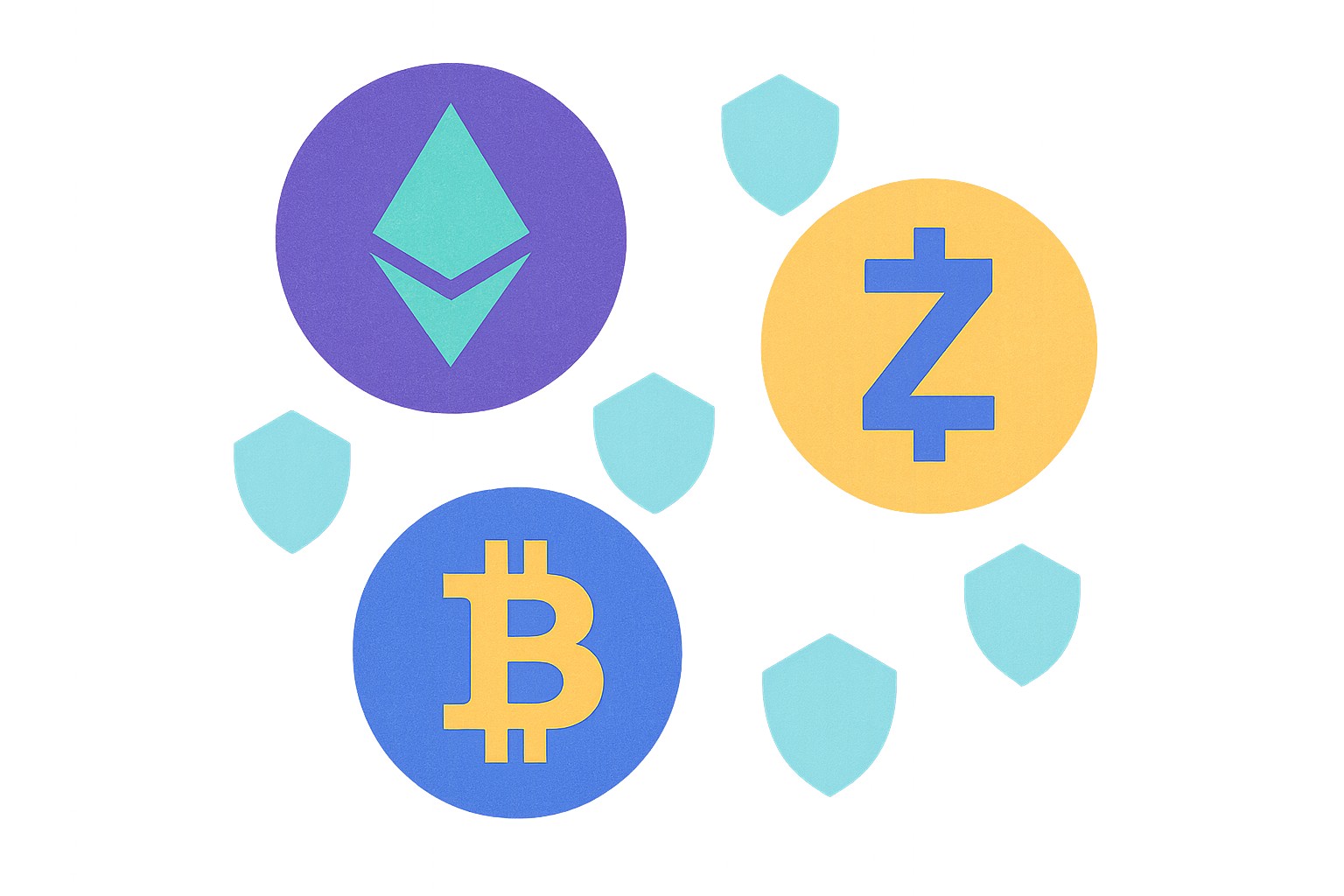
This comprehensive article explores how Ethereum enhances privacy through Zero-Knowledge Proofs and the Kohaku privacy toolkit, positioning privacy as a fundamental necessity rather than optional feature. It examines the critical role of ZKP technology enabling selective disclosure without compromising blockchain transparency, while addressing governance challenges and institutional influence on Ethereum's development. The article evaluates competing privacy solutions like Zcash and Taproot, highlights the Ethereum Foundation's dedicated privacy research initiatives, and contrasts decentralized systems with centralized platforms' privacy risks. Ultimately, it presents a vision of privacy-by-default solutions essential for mainstream Web3 adoption, demonstrating that privacy and functionality are complementary in building a secure, user-centric digital ecosystem.
Privacy as a Fundamental Principle in Digital Systems
In the interconnected digital world of the modern era, privacy is no longer a luxury—it has become a fundamental necessity. Vitalik Buterin, co-founder of Ethereum, has consistently emphasized that privacy should be treated as "hygiene," an essential component of any digital system rather than an optional feature. This perspective has grown increasingly relevant as data breaches and privacy concerns become more frequent in centralized systems.
High-profile incidents, such as data breaches involving major U.S. banks like JPMorgan, Citi, and Morgan Stanley, have exposed the vulnerabilities inherent in centralized data storage. These breaches highlight the urgent need for decentralized and privacy-focused solutions to protect user data from exploitation and misuse. For example, when centralized institutions suffer security failures, millions of users' personal and financial information can be compromised simultaneously, demonstrating the systemic risks of traditional data management approaches.
The shift toward privacy-centric systems represents a paradigm change in how we conceptualize data security. Rather than relying on trusted intermediaries to safeguard information, decentralized technologies enable users to maintain control over their own data. This approach aligns with Buterin's vision of privacy as a baseline requirement, not an afterthought, in digital infrastructure design.
To address these challenges, Ethereum has introduced Kohaku, a revolutionary privacy-focused toolkit that represents a significant advancement in blockchain privacy technology. Unlike traditional privacy measures that are often reactive and implemented as patches to existing systems, Kohaku integrates privacy from the ground up, embedding it directly into the architectural foundation of blockchain applications. This proactive approach ensures that privacy becomes a core characteristic of the system rather than a secondary consideration.
One of Kohaku's standout features is its ability to obscure visible funds using tools such as Railgun. This functionality demonstrates how privacy can be seamlessly integrated into blockchain applications, offering users enhanced security without compromising functionality or user experience. For instance, users can conduct transactions while keeping their account balances and transaction histories private, addressing one of the most significant transparency concerns in public blockchain systems.
Kohaku represents a significant milestone in Ethereum's mission to create a more private and secure digital ecosystem. By providing developers with ready-to-use privacy tools, Kohaku lowers the barrier to implementing privacy features in decentralized applications (dApps), encouraging wider adoption of privacy-preserving technologies across the Ethereum network. This toolkit exemplifies how privacy can be made accessible and practical for mainstream blockchain applications.
Zero-Knowledge Proofs (ZKPs) and Their Role in Strengthening Privacy
One of the foundational pillars of Ethereum's privacy advancements is Zero-Knowledge Proofs (ZKPs). ZKPs enable one party to prove the validity of information without revealing the information itself—a cryptographic breakthrough that resolves the apparent conflict between transparency and privacy in blockchain systems. This technology is particularly valuable in blockchain environments where complete transparency has traditionally been considered necessary for verification and trust.
By utilizing ZKPs, Ethereum enables selective disclosure, allowing users to share only the necessary information for a transaction or verification process. For example, a user could prove they have sufficient funds for a transaction without revealing their total account balance, or verify their age without disclosing their exact birthdate. This capability not only enhances privacy but also significantly reduces the risk of data breaches and unauthorized access to sensitive information.
ZKPs are a fundamental element of Ethereum's privacy-focused initiatives, paving the way for more secure and user-centric blockchain applications. The technology has evolved from theoretical cryptography into practical implementations, with various ZKP protocols (such as zk-SNARKs and zk-STARKs) offering different trade-offs between proof size, verification time, and computational requirements. These advancements are enabling new categories of privacy-preserving applications that were previously impossible on public blockchains.
Governance Challenges in Ethereum
While Ethereum is making significant strides in privacy technology, it faces governance challenges that could impact its future direction and philosophical foundations. Vitalik Buterin has expressed concerns about the growing influence of large financial institutions in Ethereum's governance processes. This institutional involvement, while bringing resources and legitimacy, may lead to protocol changes that prioritize corporate interests over the broader community's values and needs.
The concern is particularly acute because governance decisions can fundamentally alter the network's characteristics and priorities. For instance, institutional players might advocate for regulatory compliance features that could compromise privacy or push for changes that favor large-scale operations over individual users. Such shifts could gradually erode Ethereum's foundational principles of decentralization and user sovereignty.
Decentralized governance is a critical aspect of blockchain ecosystems, and maintaining this balance is essential for preserving Ethereum's ethos. The community must remain vigilant to ensure that privacy and decentralization continue to be priorities in Ethereum's development roadmap. This requires active participation from diverse stakeholders, transparent decision-making processes, and mechanisms to prevent any single entity or coalition from exerting disproportionate influence over the network's evolution.
Privacy-Focused Cryptocurrencies and Blockchain Solutions
Ethereum is not alone in its pursuit of enhanced privacy; a broader ecosystem of privacy-focused cryptocurrencies and solutions has emerged to address these concerns. Privacy-focused cryptocurrencies such as Zcash, along with privacy layers on other blockchains like Bitcoin's Taproot upgrade and Solana's Light Protocol, are gaining traction in the market. These solutions address privacy concerns in both traditional finance and public blockchains, offering users greater control over their data and transaction information.
Each of these technologies takes a different approach to privacy. Zcash uses advanced ZKP technology to enable fully shielded transactions, Taproot improves Bitcoin's privacy through signature aggregation and script privacy enhancements, while Light Protocol brings privacy features to Solana's high-performance blockchain. Despite their technical differences, these solutions share a common goal: making privacy a standard feature rather than an optional add-on.
This shift reflects a broader trend in the cryptocurrency community, which increasingly advocates for privacy-by-default solutions. The growing recognition that privacy is essential for mainstream adoption is driving innovation across multiple blockchain platforms. As these technologies mature and become more user-friendly, they are expected to play a crucial role in protecting user data in the decentralized future.
Vitalik Buterin has been vocal in his criticism of centralized platforms, particularly X (formerly Twitter), highlighting how such platforms pose significant privacy risks. Features like precise location sharing represent substantial privacy threats and conflict with the ethos of decentralization that underlies the Web3 movement. These practices starkly contrast with decentralized systems, underscoring the importance of privacy in the Web3 ecosystem.
Centralized platforms typically collect vast amounts of user data, often far beyond what is necessary for their core functionality. This data is frequently monetized through targeted advertising or shared with third parties, creating multiple points of vulnerability for user privacy. Moreover, centralized platforms are subject to government surveillance requests and can be compelled to share user data with authorities, raising concerns about freedom of expression and political privacy.
The cryptocurrency community is responding to these challenges by developing decentralized identity systems and encrypted communication tools. Projects focused on decentralized social media, encrypted messaging, and self-sovereign identity aim to give users control over their personal information while maintaining the functionality of modern digital platforms. These innovations represent practical alternatives to centralized platforms, demonstrating that privacy and functionality need not be mutually exclusive.
Ethereum Foundation's Privacy Initiatives
The Ethereum Foundation is taking a proactive approach to advancing privacy technologies through dedicated research and development efforts. It has established a privacy-focused cluster comprising 47 researchers and engineers dedicated to developing privacy-centric solutions. This initiative demonstrates Ethereum's institutional commitment to creating a more secure and private digital ecosystem, backed by substantial resources and expertise.
Key focus areas include stealth addresses, which enable recipients to maintain privacy by generating unique addresses for each transaction; selective disclosure technologies that allow users to reveal only necessary information; and Zero-Knowledge Proof technologies that continue to evolve in efficiency and applicability. These tools aim to address privacy concerns across various use cases, from financial transactions to decentralized applications (dApps) and identity verification systems.
The Foundation's coordinated approach to privacy research ensures that different privacy technologies can work together synergistically, creating a comprehensive privacy infrastructure for the Ethereum ecosystem. By investing in both fundamental research and practical implementation, the Foundation is positioning Ethereum as a leader in blockchain privacy solutions, potentially setting standards that other networks may follow.
The Role of Privacy in the Broader Web3 Ecosystem
Privacy is not merely a technical challenge—it is a fundamental principle that underpins the broader Web3 ecosystem and its vision of a user-centric internet. As the digital world becomes increasingly interconnected and data-driven, the demand for privacy-focused solutions will only grow. Ethereum's initiatives, along with those of other privacy-focused projects, are paving the way for a more secure and user-centric internet that respects individual autonomy and data sovereignty.
The Web3 vision extends beyond financial applications to encompass social networks, content platforms, gaming, and digital identity systems. In each of these domains, privacy plays a crucial role in protecting users from surveillance, manipulation, and exploitation. For example, privacy-preserving social networks could enable free expression without fear of censorship or retaliation, while private digital identity systems could give users control over their personal information across multiple platforms and services.
However, achieving widespread adoption of these privacy tools requires more than technological innovation alone. User education is crucial to ensure that people understand the importance of privacy and know how to use these tools effectively. Many users are accustomed to centralized platforms where privacy settings are often buried in complex menus or where privacy protections are minimal. By empowering users with knowledge and accessible resources, the cryptocurrency community can drive adoption of privacy-focused solutions and create a more secure digital future. Educational initiatives, intuitive user interfaces, and clear communication about privacy benefits are all essential components of this effort.
Conclusion
Vitalik Buterin's vision of privacy as "hygiene" rather than a feature serves as a powerful reminder of its fundamental importance in the digital age. Through initiatives like Kohaku and advancements in Zero-Knowledge Proofs, Ethereum is leading the effort to redefine digital privacy and establish new standards for data protection in decentralized systems. These technological innovations demonstrate that privacy and transparency can coexist in blockchain systems, resolving what was once considered an inherent contradiction.
However, significant challenges remain, from governance risks posed by institutional influence to the ongoing need for comprehensive user education. The path forward requires continued vigilance from the community to ensure that privacy and decentralization remain central to Ethereum's development. Additionally, making privacy tools accessible and understandable to mainstream users will be crucial for widespread adoption.
As privacy becomes a critical issue in both traditional finance and the cryptocurrency space, the importance of privacy-by-default solutions cannot be overstated. By prioritizing privacy and decentralization, Ethereum and the broader Web3 community are laying the groundwork for a more secure and equitable digital future. This future envisions a world where individuals have genuine control over their personal information, where surveillance is not the default condition of digital life, and where privacy is recognized as a fundamental right rather than a luxury. The technologies and principles being developed through Ethereum's privacy initiatives represent crucial steps toward realizing this vision.
FAQ
What is Zero Knowledge Proof (ZKP)? How does it help protect privacy on Ethereum?
ZKP enables verification of transactions without revealing underlying data. On Ethereum, it allows users to prove asset ownership and transaction validity privately, protecting sensitive information while maintaining blockchain security and transparency through cryptographic proofs instead of exposing transaction details.
What is Kohaku and what role does it play in Ethereum's privacy solutions?
Kohaku is a privacy protocol layer built on Ethereum that leverages zero-knowledge proofs (ZKP) to enable confidential transactions while maintaining network security. It allows users to transfer assets and execute smart contracts privately without revealing transaction details on-chain, serving as a critical infrastructure component for Ethereum's privacy evolution.
What is Vitalik Buterin's vision for Ethereum privacy? What are the current implementation methods?
Vitalik envisions Ethereum as a privacy-preserving platform through zero-knowledge proofs and confidential transactions. Current implementations include ZK-SNARKs, ZK-STARKs, account abstraction, and layer-2 privacy solutions like Aztec and Tornado Cash integration, enabling users to transact privately while maintaining blockchain transparency.
What are the advantages of Ethereum's privacy protection technology compared to Bitcoin or Monero?
Ethereum's privacy tech offers programmable flexibility through smart contracts, enabling privacy-preserving dApps. Unlike Bitcoin's limited privacy, Ethereum integrates ZKP and layer-2 solutions for scalable confidentiality. Compared to Monero's fixed approach, Ethereum provides customizable privacy levels, supporting diverse use cases beyond transactions while maintaining broader DeFi ecosystem compatibility.
What are the main challenges and limitations of zero-knowledge proofs in practical applications?
ZKP faces computational complexity, requiring significant processing power and time. Scalability remains challenging with large datasets. Implementation complexity demands specialized expertise. Proving time can be lengthy, affecting user experience. Verification costs and quantum computing threats also pose concerns for widespread adoption.
How to conduct private transactions on Ethereum? What conditions are required?
Use privacy protocols like Tornado Cash, Aztec, or zkSNARKs-based solutions. Requirements include compatible wallet support, sufficient ETH for gas fees, and understanding of zero-knowledge proofs. These tools enable anonymous transactions while maintaining blockchain security and compliance.
What is the difference between Kohaku and other privacy protocols like Tornado Cash and Aztec?
Kohaku offers advanced zero-knowledge proof technology with enhanced scalability and lower transaction costs compared to Tornado Cash. Unlike Aztec's application-specific approach, Kohaku provides a more generalized privacy layer compatible with multiple blockchain ecosystems, delivering superior privacy guarantees and user flexibility.
Is there a contradiction between privacy protection and on-chain transparency? How does Ethereum balance the two?
No contradiction exists. Ethereum balances privacy and transparency through Zero-Knowledge Proofs (ZKP) and privacy layers like Kohaku. ZKP enables users to prove transaction validity without revealing details, maintaining both confidentiality and verifiable on-chain records. This dual approach ensures privacy rights while preserving blockchain transparency and security.
* The information is not intended to be and does not constitute financial advice or any other recommendation of any sort offered or endorsed by Gate.