Explore Ray Dalio’s outlook on the Fed bubble and its effects on cryptocurrencies and gold. This comprehensive analysis covers Bitcoin, systemic risk, and investment strategies for navigating monetary expansion and economic uncertainty.
Historical Reversal: From Stimulus and Depression to Bubble Fuel
Ray Dalio, founder of Bridgewater Associates and one of the world’s most respected investors, has issued a stark warning about the Federal Reserve’s policy shift. He argues that the central bank’s decision to halt quantitative tightening signals the start of a dangerous cycle—fueling a bubble rather than addressing economic weakness.
This perspective is especially relevant in historical context. Dalio points out that previous rounds of quantitative easing (QE) took place under very different circumstances, marked by economic contractions, falling asset valuations, low inflation, and wide credit spreads. Those were genuine crises where monetary stimulus aimed to prevent economic depression.
Today’s environment is the opposite. Stocks are reaching new highs, the economy is expanding at 2% annually, unemployment sits at just 4.3%, and inflation has surpassed the Fed’s 2% target, exceeding 3%. This stark contrast is at the heart of Dalio’s concerns.
The Fed has announced it will end quantitative tightening by late 2025, transitioning to a $6.5 trillion balance sheet and redirecting agency bond income to Treasury securities, rather than mortgage-backed securities. While officials call this a “technical maneuver,” Dalio sees far deeper implications.
“This time, easing will happen in a bubble, not a bust,” Dalio warned, noting that AI stocks already show bubble characteristics according to his proprietary indicators. This shift comes amid large fiscal deficits and robust private credit creation, setting the stage for a perfect storm of inflationary conditions.
The combination of massive fiscal deficits, shorter Treasury maturities to offset weak demand for long-term bonds, and central bank balance sheet expansion forms what Dalio describes as “classic end-cycle dynamics of the Long-Term Debt Cycle.”
Market analysts share these worries. Cristian Chifoi noted that, while QE and QT dominate market discussions, real liquidity began flooding into markets between October and December 2022, when tightening effectively ended and the Reverse Repo Program opened the door.
Ted Pillows also cautioned that crypto markets, which are highly sensitive to liquidity, may not bottom out until actual quantitative easing begins—not just the end of tightening. He pointed to a 40% drop in altcoins after the Fed paused QT in 2019, ahead of the next round of stimulus.
Meanwhile, the S&P 500’s earnings yield of 4.4% barely edges out the 10-year Treasury’s 4%, leaving equity risk premiums at just 0.4%. This risk premium compression is a classic sign of overheated markets ripe for correction.
Gold has reacted sharply to the policy change, rallying above $4,000 per ounce following initial volatility after the Fed’s announcement. This move isn’t just speculative—it reflects a fundamental shift in how global investors perceive risk.
The World Gold Council reported that global demand in Q3 2025 rose 3% year-over-year to 1,313 tons, with investment demand reaching a record quarterly high. During this period, gold set 13 new all-time price records, underscoring sustained bullish momentum.
Dalio explained the dynamics driving gold’s appeal in straightforward terms. With gold yielding zero and trading around $4,025, while 10-year Treasuries offer 4%, investors need to expect gold to appreciate more than 4% per year to favor it over bonds. This is the basic investment calculus.
“The higher the inflation rate, the more gold rises, because most inflation results from the value and purchasing power of other currencies falling as their supply increases, while gold’s supply barely grows,” Dalio wrote. This highlights gold’s role as a store of value during monetary expansion.
Central banks accelerated their gold purchases by 10% year-over-year, with Poland expanding its programs and Brazil resuming buying for the first time since July 2021. This central bank accumulation trend is especially noteworthy, reflecting institutional concern over fiat currency stability.
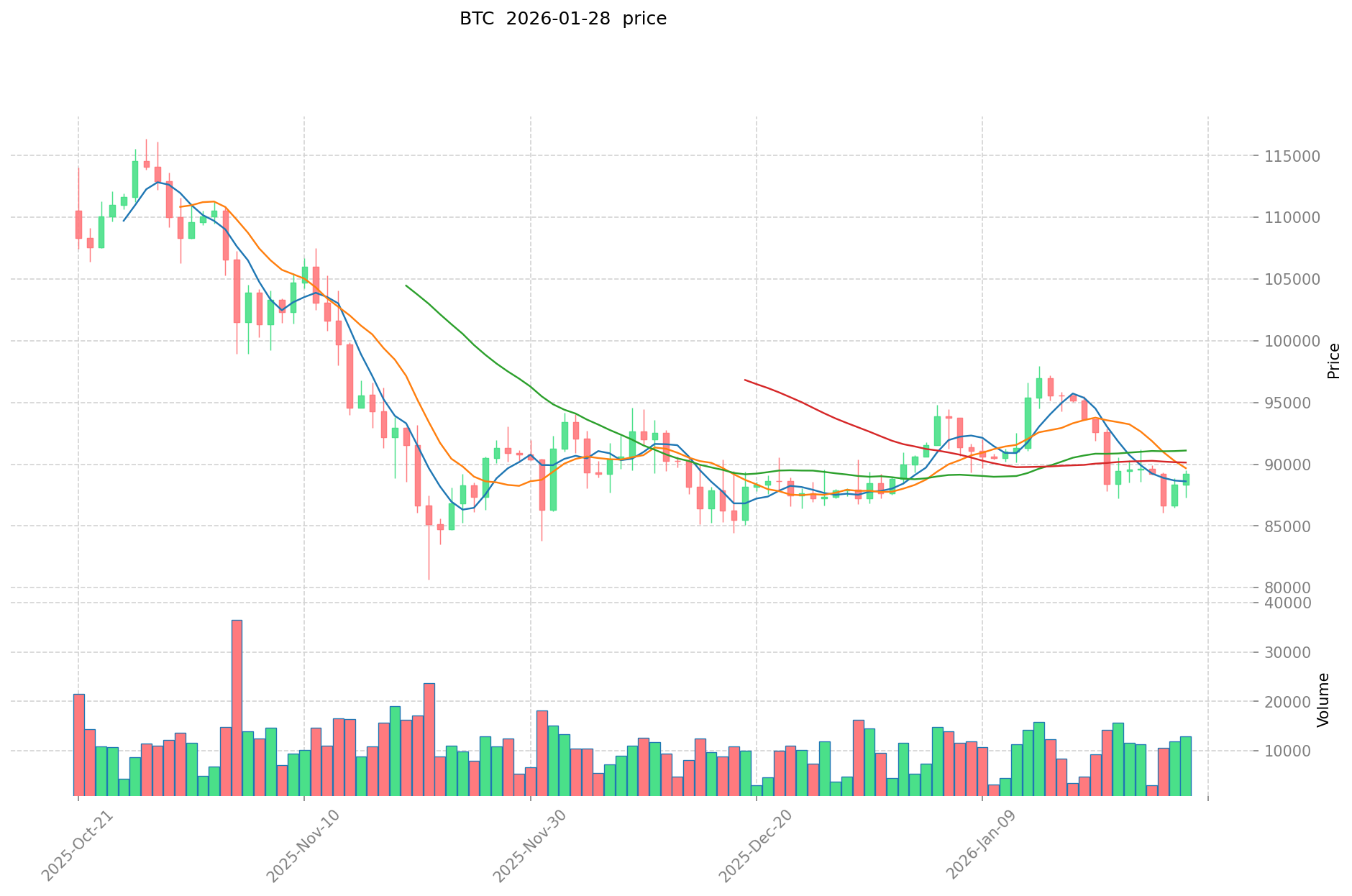
Yet in times of financial uncertainty and crisis, Bitcoin has outperformed gold and other risk assets. Bitcoin’s decentralized structure and limited supply make it a compelling alternative for investors seeking protection against currency devaluation and unchecked monetary expansion.
The Melt-Up Before the Crash
Dalio’s most foreboding warning centers on his forecast that further Fed balance sheet expansion, combined with rate cuts during massive fiscal deficits, is “classic Fed–Treasury monetary-fiscal interaction to monetize government debt.”
Dalio argues that this dynamic will drive real interest rates down, compress risk premiums, expand price-to-earnings multiples, and especially boost long-duration assets like tech and AI stocks, as well as inflation hedges like gold and inflation-linked bonds.
The “melt-up” concept is critical to Dalio’s outlook: a period when asset prices surge rapidly, driven not by sound fundamentals but by abundant liquidity and speculation. During a melt-up, investors who remain on the sidelines rush in out of fear of missing gains, fueling the bubble further.
“It’s reasonable to expect, similar to late 1999 or 2010–2011, a strong liquidity-driven melt-up that eventually becomes too risky and must be contained,” Dalio wrote. These historical parallels are telling: the end of 1999 marked the dot-com bubble’s peak, while 2010–2011 saw a stimulus-fueled rally that ultimately required correction.
The historical pattern is clear and recurring. Monetary expansion in already hot conditions triggers short-lived euphoria, followed by a painful correction as economic reality returns. The challenge for investors is pinpointing the transition between these phases.
“During this melt-up—and just before tightening is strong enough to contain inflation and burst the bubble—is classically the ideal time to sell,” Dalio concluded. This sums up his market timing strategy: ride the initial liquidity wave, but have the discipline to exit before the Fed is forced into aggressive tightening.
For Bitcoin and gold investors, Dalio’s outlook points to potentially significant appreciation in the short to medium term, followed by heightened correction risk. The key is to track Fed policy signals and be ready to adjust positions before inevitable monetary tightening begins.
Dalio’s analysis is a timely reminder that while alternative assets like Bitcoin and gold may help protect against currency devaluation, they’re not immune to liquidity cycles and bubble dynamics affecting all financial markets. Vigilance and disciplined risk management remain essential for navigating this complex, potentially volatile environment.
FAQ
Who is Ray Dalio and why do his economic forecasts attract so much attention?
Ray Dalio is a highly respected investor and economist known for his deep analysis of global economic trends. He gained credibility by accurately predicting the 2007 crisis, making his views on inflation, currency, and GDP growth closely watched in financial markets.
How does Ray Dalio believe Fed policy can trigger asset bubbles?
Dalio believes that quantitative easing by the Fed in strong market conditions excessively inflates asset prices, creating financial bubbles. These expansionary policies drive speculation and distort true market valuations.
Why does Ray Dalio think gold and Bitcoin will appreciate before an economic collapse?
Dalio views gold and Bitcoin as safe-haven assets against inflation and currency devaluation. When bond yields turn negative, these assets become more attractive as stores of value.
How does Federal Reserve easing impact gold prices?
The Fed’s easing policy weakens the dollar, driving gold prices higher as a protective asset. As reliance on the dollar falls, investors flock to gold, fueling its growth.
Is Bitcoin a good investment during economic uncertainty?
Yes. Bitcoin is a standout hedge against inflation and economic uncertainty. It has historically shown strong gains during periods of financial instability. It offers significant return potential to investors willing to accept volatility. Strategic allocations to Bitcoin can diversify portfolios in uncertain times.
When will the economic collapse predicted by Ray Dalio happen?
Dalio forecasts that the economic collapse will occur before 2025, based on his analysis of the global long-term debt cycle. He warns of growing risks in the global financial system and expansionary monetary policies.
What’s the difference between gold and Bitcoin as safe-haven assets?
Gold is a traditional, stable safe-haven with a proven track record; Bitcoin is more volatile but offers greater upside potential. Gold protects against inflation; Bitcoin thrives in systemic monetary crises.
Consider allocating 5%–15% of your portfolio to gold to hedge against currency devaluation and potential conflicts. Focus on strategic allocation over tactical timing. Gold serves as a safe-haven during crises and periods of monetary instability.
* The information is not intended to be and does not constitute financial advice or any other recommendation of any sort offered or endorsed by Gate.