# Article Introduction
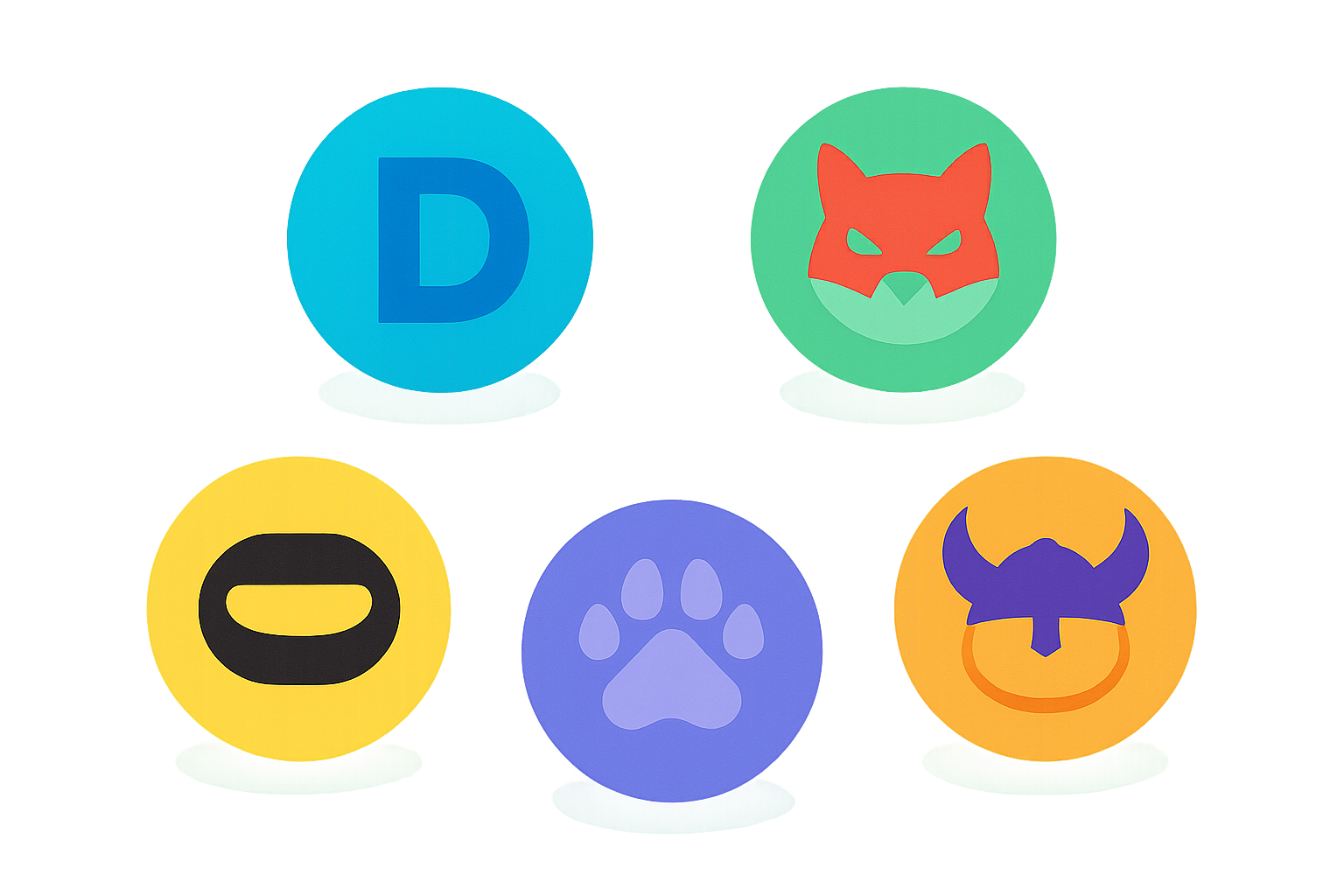
This comprehensive guide explores the top 5 memecoins by market capitalization in 2025: Dogecoin, Shiba Inu, Pepe Coin, Floki Inu, and Bonk. Designed for crypto investors seeking portfolio diversification, the article clarifies what distinguishes memecoins from traditional cryptocurrencies while analyzing each token's evolution from internet culture to legitimate digital assets. Readers will discover key market dynamics, investment risks, and practical purchasing methods via Gate. The guide addresses critical questions about volatility, long-term viability, scam identification, and differentiation between leading memecoins. Whether you're assessing emerging opportunities or understanding community-driven crypto ecosystems, this resource provides essential insights for navigating the speculative yet thriving memecoin landscape.
What Are Meme Coins?
Meme coins are cryptocurrencies that originated from internet memes or were created as jokes but have evolved into legitimate digital assets with significant market presence. Over the past several years, meme coins have gained considerable attention within the cryptocurrency community, attracting both retail investors and mainstream media coverage. These tokens typically emphasize community engagement and social virality, distinguishing them from traditional cryptocurrencies focused primarily on technological innovation.
Dogecoin (DOGE)
Dogecoin stands as one of the most prominent meme coins in the cryptocurrency market. Originally created as a humorous alternative to Bitcoin in 2014, Dogecoin has transcended its joke origins to become a leading digital asset. The token has achieved significant mainstream recognition, partly due to endorsements and public support from high-profile figures. Dogecoin's journey from a lighthearted project to a top-tier cryptocurrency demonstrates the power of community support and cultural relevance in the digital asset space. Its sustained popularity has made it a benchmark against which other meme coins are often measured.
Shiba Inu (SHIB)
Shiba Inu has established itself as a major player in the meme coin ecosystem. Often referred to in comparison to Dogecoin, Shiba Inu is an Ethereum-based token that has garnered substantial popularity and market presence since its launch. Built on the Ethereum blockchain, Shiba Inu benefits from the network's infrastructure and ecosystem, allowing for smart contract functionality and integration with decentralized finance applications. The project has developed beyond its initial meme status, incorporating community governance and various utility features that appeal to both casual investors and cryptocurrency enthusiasts.
Pepe Coin (PEPE)
Pepe Coin represents a more recent addition to the prominent meme coin landscape. Inspired by the internet meme character Pepe the Frog, this token emerged during a period of renewed interest in meme-based cryptocurrencies. The project has demonstrated significant growth potential, attracting a dedicated community of supporters. Pepe Coin's success illustrates how recognizable internet culture and meme references can drive adoption and market interest in cryptocurrency projects. The token has maintained notable market capitalization, reflecting sustained investor interest and community engagement.
Floki Inu (FLOKI)
Floki Inu represents an evolution in meme coin development, transcending its origins as a simple joke token. Named after a well-known public figure's pet, Floki Inu has transformed into a Web3 project with broader ambitions and utility. The project has expanded beyond the traditional meme coin category to incorporate blockchain-based applications and decentralized services. This transition from pure meme status to a more comprehensive Web3 ecosystem demonstrates the maturation of certain meme coin projects and their ability to attract sustained developer interest and community participation.
Bonk (BONK)
Bonk holds the distinction of being the first meme coin specifically designed for the Solana blockchain. Launched in late 2022, Bonk quickly gained traction within the Solana ecosystem as a community-driven alternative to other meme coins. The token's emergence on Solana highlighted the expansion of meme coin culture across different blockchain networks beyond Ethereum. Bonk's success demonstrated that meme coins could thrive on alternative layer-1 blockchains, leveraging each network's unique characteristics such as transaction speed and cost efficiency. The project has maintained strong community support within the Solana ecosystem.
Market Dynamics and Investment Considerations
The cryptocurrency market, particularly the meme coin segment, is characterized by high volatility and rapid fluctuations in market rankings and valuations. Meme coins can experience dramatic price movements based on social media trends, community sentiment, and broader market conditions. The rankings and relative positions of these coins can shift significantly over short timeframes. Investors and participants in the meme coin space should conduct thorough research and maintain a comprehensive understanding of market dynamics before making any investment decisions. It is essential to recognize the speculative nature of meme coin investments and to invest only capital that one can afford to lose.
FAQ
What is a Meme coin? What is the difference between Meme coins and ordinary cryptocurrencies?
Meme coins are cryptocurrencies based on internet culture, typically without practical utility. Unlike ordinary cryptocurrencies, Meme coins rely primarily on community support and celebrity influence. They exhibit extreme price volatility and are driven by social consensus rather than underlying value.
What are the most popular Meme coins currently in the market, such as Dogecoin and Shiba Inu?
The most popular Meme coins today include Dogecoin, Shiba Inu (SHIB), and PEPE. These coins have strong community support and high trading volumes, maintaining dominant positions in the Meme coin market through social media engagement and widespread adoption.
What is the investment risk of Meme coins? Why is the volatility of Meme coins so high?
Meme coins carry extreme investment risk due to their speculative nature and community-driven market dynamics. High volatility stems from low liquidity, rapid sentiment shifts, and whale manipulation. Prices can surge multiples or crash 90% within hours, making them suitable only for risk-tolerant traders seeking high-reward opportunities.
How to buy and trade Meme coins? Where can I purchase them?
Purchase Meme coins through centralized exchanges with credit card or bank transfer options, or use decentralized exchanges like Uniswap and PancakeSwap for direct wallet transactions. Choose based on your preference for ease of use or decentralization.
Can Meme coins be held long-term? Do they have practical application value?
Meme coins can be held long-term, supported by strong communities and growing ecosystems. While primarily community-driven, many are developing real utilities and partnerships, increasing their long-term viability and value potential.
Which is a better investment, Dogecoin or Shiba Inu? What are the differences between them?
Dogecoin has a larger market cap and longer history, while Shiba Inu shows stronger recent momentum. Dogecoin emphasizes community and utility, whereas Shiba Inu focuses on ecosystem expansion. Choose based on your risk tolerance and market outlook.
How to identify emerging Meme coins and avoid Rug Pull scams?
Check wallet distribution to identify emerging Meme coins safely. If a few wallets control most supply, it's a red flag indicating potential Rug Pull risk. Verify community engagement, transaction volume, and project transparency before investing.
* The information is not intended to be and does not constitute financial advice or any other recommendation of any sort offered or endorsed by Gate.