What is BIO Protocol: Whitepaper Logic, Use Cases, and Technical Innovation Explained

2026-01-08 08:53:43
Blockchain
Crypto Ecosystem
DAO
DeFi
Web 3.0
Article Rating : 3.5
half-star
153 ratings
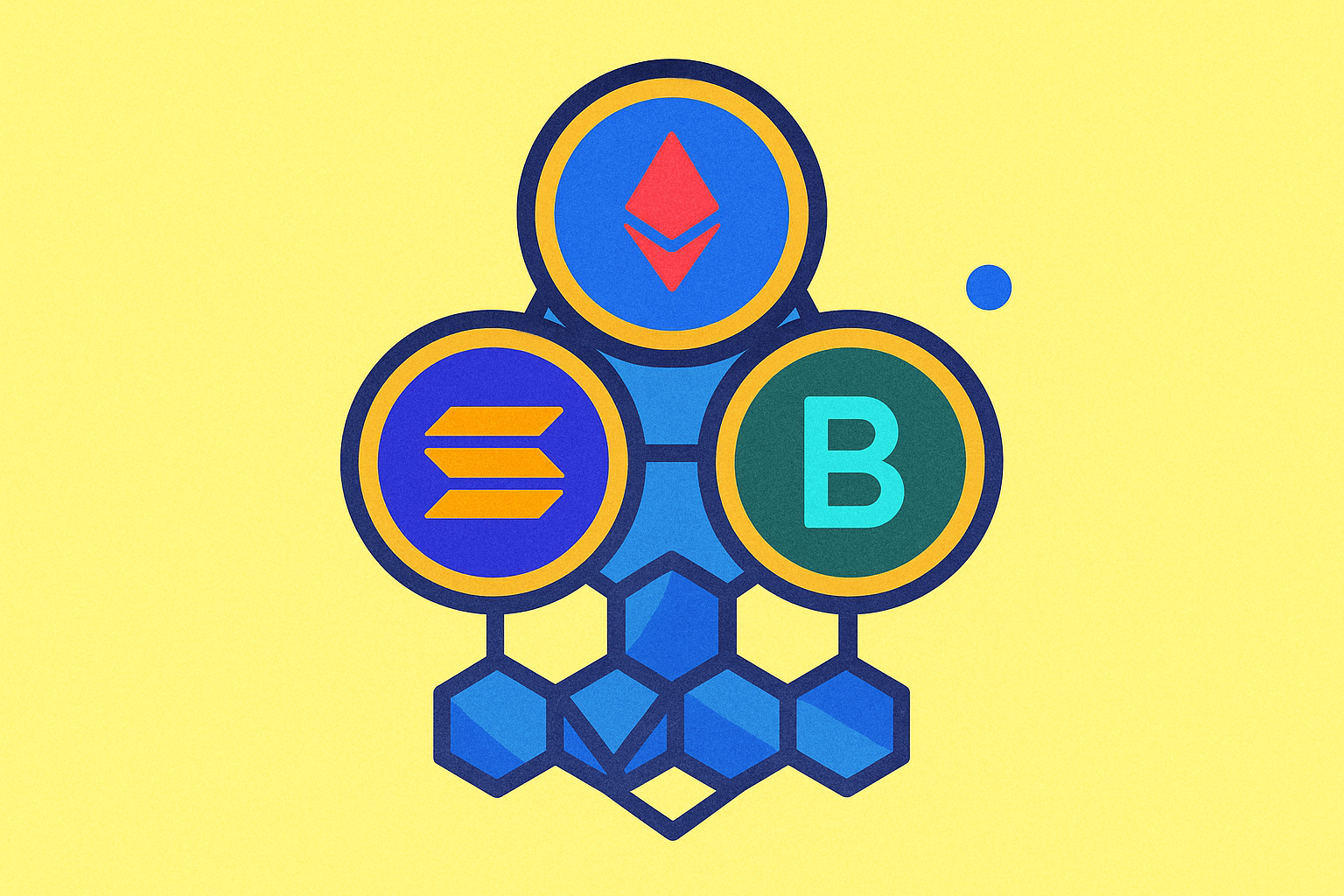
BIO Protocol represents a decentralized science governance and liquidity infrastructure backed by Binance, revolutionizing biotechnology funding through community-driven tokenization. The protocol enables global scientists, patients, and investors to collectively fund and own tokenized biotech projects via BIO tokens and automated liquidity mechanisms. This article explores the protocol's core logic combining governance and liquidity functions, practical use cases including fractional IP ownership and research commercialization, and technical innovation through cross-chain DAO models. Launched on Binance Launchpool in January 2025 across Ethereum, Solana, and Base networks, BIO Protocol demonstrates how blockchain infrastructure removes traditional intermediaries while maintaining research autonomy. The roadmap highlights the integration of DeSci agents and expanding BioDAO networks. Whether you're a researcher, biotech professional, or crypto investor seeking exposure to decentralized science innovation, thi
What is BIO Protocol: Whitepaper Logic, Use Cases, and Technical Innovation Explained

Core Logic: BIO Protocol as a Decentralized Science (DeSci) Governance and Liquidity Protocol Backed by Binance

At its core, BIO represents a revolutionary approach to biotechnology funding through decentralized science mechanisms. The protocol empowers global communities of patients, scientists, and biotech investors to collectively fund, build, and own tokenized biotech projects and intellectual property. This dual-layer model combines governance and liquidity functions, making BIO a comprehensive solution for DeSci acceleration.

The governance component relies on BIO tokens, which grant holders voting rights in deciding which BioDAOs and projects receive protocol support. Token holders participate in community voting to determine funding allocation, liquidity provision, and incentive distribution across the ecosystem. This decentralized decision-making ensures that capital flows toward innovations resonating with the community rather than centralized entities.

The liquidity infrastructure automatically generates liquidity pools for launched projects, charging a 1% transaction fee on secondary markets. This mechanism reduces friction for biotech initiatives entering market conditions. Binance's institutional backing—evidenced by allocating 99.6 million BIO tokens (3% of total supply) through its Launchpool—demonstrates significant confidence in the protocol's potential to reshape biotechnology funding. This DeSci governance and liquidity framework creates a self-sustaining ecosystem where tokenized biotech projects benefit from both community-driven governance and robust market infrastructure simultaneously.

Use Cases: Tokenized Biotech Project Funding, IP Sharing, and Global Community-Driven Research Commercialization

Tokenization fundamentally transforms how biotech innovation receives funding and reaches markets. By converting physical biotech assets, intellectual property, and future revenue streams into digital tokens, the BIO Protocol enables fractional ownership and democratized investment opportunities previously unavailable to community members. This approach accelerates project financing by removing traditional intermediaries and geographic barriers that historically limited biotech research commercialization.

The protocol's tokenized biotech projects allow scientists, patients, and professionals globally to collectively fund, build, and own intellectual property interests. Rather than relying on centralized venture capital or institutional gatekeepers, communities can directly invest in promising research initiatives through gate's ecosystem. This model proved particularly relevant as demonstrated by UC Berkeley's biotech innovation ecosystem, which showcases how distributed networks can rapidly advance biotechnology development.

Beyond funding mechanisms, IP sharing within tokenized frameworks creates new revenue dynamics for researchers and institutions. Contributors earn proportional returns as their intellectual property generates commercial value, incentivizing ongoing participation in decentralized science initiatives. This structure enables global research commercialization by allowing multiple stakeholders to benefit from successful biotech innovations simultaneously, whether through licensing agreements, product launches, or follow-on research applications. The community-driven approach fundamentally reshapes how breakthrough treatments and technologies reach patients worldwide.

Technical Innovation: Cross-Chain DAO Model and Blockchain-Based Scientific Research Financing Mechanism

The BIO Protocol's technical architecture leverages a cross-chain DAO model to fundamentally reshape how scientific research receives funding. By utilizing cross-chain technology, the protocol enables seamless interoperability across multiple blockchain networks, breaking down the siloed funding structures that historically limited biotech innovation. This interoperability is essential, as it allows scientists, patients, and investors from different blockchain ecosystems to participate in a unified governance and funding framework.

At the core lies a blockchain-based scientific research financing mechanism that operates through decentralized autonomous organizations. These DAOs democratize funding decisions, enabling communities to collectively evaluate, support, and own tokenized biotech projects and intellectual property. Unlike traditional venture capital models requiring intermediaries, the cross-chain DAO eliminates gatekeepers, allowing contributors to directly stake their interests in research outcomes.

The innovation extends beyond funding distribution. By embedding scientific research financing into blockchain infrastructure, the protocol ensures transparent, immutable records of project milestones and fund allocation. This technical innovation creates accountability while reducing administrative overhead—resources previously spent on due diligence can redirect toward research. For emerging biotech companies accessing gate's ecosystem, this represents unprecedented access to capital alongside retained autonomy over their research direction and tokenized IP ownership.

Roadmap Progress: Binance Launchpool Integration and Expansion of DeSci Ecosystem Adoption

BIO Protocol's selection as Binance Launchpool's 63rd project marks a pivotal milestone for decentralized science. With the BIO token launching on Binance Launchpool in January 2025, the project gains access to millions of users seeking exposure to innovative DeSci initiatives. This strategic partnership accelerates mainstream adoption of the protocol's vision for democratizing scientific research funding through blockchain technology.

The protocol's expansion extends beyond a single blockchain, with simultaneous deployment across Ethereum, Solana, and Base networks planned for January 2025. This multi-chain strategy ensures accessibility for diverse communities and reduces network congestion while strengthening the DeSci ecosystem's resilience. By leveraging multiple blockchain infrastructures, BIO Protocol positions itself to serve researchers, biotech professionals, and patients globally, regardless of their preferred network.

Looking ahead, the introduction of a DeSci agent represents a significant technical advancement in automating and optimizing scientific funding allocation. Combined with the protocol's existing Protocol-Owned Liquidity model and expanding network of BioDAOs, these developments signal mature ecosystem adoption. The roadmap demonstrates how BIO Protocol transforms decentralized science from concept into tangible infrastructure supporting real-world biotechnology innovation.

FAQ

What is BIO Protocol? What are its core functions and design philosophy?

BIO Protocol is a decentralized science (DeSci) platform that funds biotechnology research through DAO model. Its core functions are facilitating shared knowledge, intellectual property democratization, and decentralized research funding to revolutionize scientific innovation.

What is the core logic and technical architecture of BIO Protocol as outlined in its whitepaper?

BIO Protocol leverages blockchain for decentralized scientific research funding and data sharing. Core logic uses smart contracts for automated transactions and transparent governance. The architecture enables peer-to-peer collaboration, eliminating traditional research barriers through decentralized mechanisms.

BIO Protocol有哪些实际应用场景和使用案例?

BIO Protocol主要应用于生物科技生态的治理和资金管理。支持去中心化科研融资、生物数据确权、智能合约驱动的研究激励、以及生态参与者的投票治理。

BIO Protocol相比其他区块链协议有什么技术创新和优势?

BIO Protocol integrates decentralized governance, innovative biotech funding mechanisms, and IP tokenization. It enables transparent community-driven progress and democratizes access to biological research innovation through blockchain technology.

BIO Protocol如何确保安全性和数据隐私保护?

BIO Protocol通过加密技术和数据预处理确保安全性。原始生物数据在上传到云服务器前进行加密处理,最小化数据暴露风险,同时提高算法运算效率,保护用户隐私。

What conditions are needed to use BIO Protocol? How can ordinary users participate?

Ordinary users can participate by contributing clinical trial data, testing research projects, or purchasing BioDAO products. Participants need to meet minimum intellectual property tokenization requirements to engage with the protocol.

BIO Protocol的发展前景如何?未来的路线图是什么?

BIO Protocol在DeSci、AI代理和跨链部署领域前景广阔。其清晰的路线图专注于Curetopia平台建设,预计未来几年将实现显著增长,在生物科学和去中心化创新领域占据重要地位。

* The information is not intended to be and does not constitute financial advice or any other recommendation of any sort offered or endorsed by Gate.
Related Articles
Stakeholders vs. Shareholders in Web3: Key Differences for Blockchain Projects

Stakeholders vs. Shareholders in Web3: Key Differences for Blockchain Projects

The article "Stakeholders vs. Shareholders in Web3: Key Differences for Blockchain Projects" explores the transformative shift from traditional corporate models to decentralized Web3 organizations, highlighting the blurred lines between stakeholders and shareholders. It addresses the democratization of influence in Web3 governance, showcasing stakeholder engagement beyond financial investments through examples like Aave and Uniswap. Moreover, it delves into DAOs, emphasizing their role in balancing stakeholder power and promoting community-driven decision-making, exemplified by MakerDAO. This comprehensive analysis is ideal for blockchain enthusiasts and professionals seeking insights into the evolving governance and token economics within Web3, including platforms like Gate.

2025-08-31 18:30:43
What is RSC: Understanding React Server Components and Their Impact on Modern Web Development

What is RSC: Understanding React Server Components and Their Impact on Modern Web Development

Explore the revolutionary impact of ResearchCoin (RSC) in modern web development through blockchain technology, transforming academic research and collaboration. Launching in 2022 by ResearchHub, RSC addresses challenges in traditional publishing and incentivizes transparent scientific content sharing across disciplines. Discover its decentralized architecture, market performance, and key milestones. The article caters to researchers, academics, and enthusiasts interested in blockchain applications, offering insights into current challenges, strategic partnerships, and the thriving community. Join the ecosystem through Gate for secure transactions and innovative contributions.
2025-09-29 08:33:14
What Is a Token Economic Model and How Does It Impact Crypto Governance?

What Is a Token Economic Model and How Does It Impact Crypto Governance?

The article explores the token economic model's impact on crypto governance, emphasizing balanced token distribution, inflation versus deflation dynamics, token burn mechanisms, and governance rights. It addresses the challenges of sustainable token allocation among teams, investors, and communities, while examining value implications of inflationary and deflationary models. It highlights how burning tokens can drive demand and boost value. The governance framework empowers token holders to influence decision-making, ensuring decentralized and community-driven processes. This piece provides insights into effective tokenomics strategies for stakeholders looking to enhance governance and economic sustainability.


2025-11-20 11:34:09
How Active is Polkadot's Community and Ecosystem in 2025?

How Active is Polkadot's Community and Ecosystem in 2025?

The article explores the dynamic evolution of Polkadot's community and ecosystem by 2025, highlighting its substantial growth in social media presence, user engagement, developer contributions, and DApp expansion. It addresses the increasing popularity and adoption of Polkadot, driven by interoperability and innovative technology. Key insights include the rise to 2.5 million social media followers, 150,000 daily active users, 40% growth in developer contributions, and expansion to over 500 DApps. This content appeals to cryptocurrency enthusiasts, developers, and investors looking for trends in blockchain advancements and community engagement.
2025-10-24 12:22:39
Gate Fun: An innovative on-chain platform for incubating Web3 projects.

Gate Fun: An innovative on-chain platform for incubating Web3 projects.

Gate Fun is an innovative on-chain platform for Web3 project incubation that enhances transparency and efficiency through smart contracts and decentralized mechanisms. This article explores how Gate Fun is changing the entrepreneurial ecosystem by providing support such as funding, technical guidance, marketing, and community building for Web3 projects. The goal is to address issues of information asymmetry and centralized decision-making, suitable for those looking to participate in or invest in Web3 projects. The article's structure includes platform advantages, reward mechanisms, and financing models, providing readers with a comprehensive analysis of the disruptive changes in the Web3 ecosystem.
2025-10-09 10:03:13
How Can You Measure Crypto Community and Ecosystem Vitality in 2025?

How Can You Measure Crypto Community and Ecosystem Vitality in 2025?

The article examines the vitality of the crypto community and ecosystem in 2025 through various metrics. It highlights key areas such as social media presence, community interaction, developer activity, and DApp ecosystem growth. The reader will gain insights into the robust engagement and development surrounding Polkadot, with metrics illustrating follower growth, daily active users, and GitHub contributions. Additionally, the evaluation of Polkadot's vibrant DApp ecosystem, including the number of active applications and transaction volumes, showcases its sustained progress and appeal. This analysis aids crypto enthusiasts and stakeholders in understanding community health and development trajectories.
2025-10-18 10:34:54
Recommended for You
Strategy Board Member Jane Dietze Acquires 1,100 STRC Preferred Shares

Strategy Board Member Jane Dietze Acquires 1,100 STRC Preferred Shares

This article covers Jane Dietze's strategic acquisition of 1,100 perpetual preferred shares in Stretch (STRC) at $95.28 per share, totaling $104,808, signaling strong insider confidence in the company's prospects. As a Strategy Board member with deep operational insights, Dietze's investment demonstrates alignment with shareholder interests and suggests positive market signals regarding financial fundamentals and growth potential. The choice of preferred shares indicates a focus on stable returns and capital preservation, offering fixed dividend payments and liquidation priority over common stockholders. Insider buying by board executives typically serves as a positive indicator to investors and analysts, suggesting undervalued pricing or promising growth initiatives. This transaction reflects Stretch's robust corporate governance standards and reinforces management's commitment to long-term value creation. The capital structure strategy employing preferred shares balances financing needs while protecting exi
2026-01-09 22:52:31
Grayscale's Chief Legal Officer Emphasizes the Need for Thoughtful Crypto Regulation

Grayscale's Chief Legal Officer Emphasizes the Need for Thoughtful Crypto Regulation

This article features insights from Craig Salm, Chief Legal Officer of Grayscale, on cryptocurrency regulatory compliance developments in the United States. Salm emphasizes that thoughtful, well-crafted legislation is essential for strengthening the digital asset industry while protecting investors and enabling innovation. The discussion addresses how comprehensive regulatory frameworks provide business clarity, establish consumer safeguards, and create conditions for sustainable growth. The piece explores the broader implications of balanced regulation, including increased market transparency, reduced fraud risks, and facilitated institutional adoption. Through detailed FAQ sections, the article explains why rigorous regulation matters, how it impacts investors and industry development, and the importance of collaborative policymaking that incorporates industry expertise to avoid restrictive measures.
2026-01-09 22:50:23
Japan's Financial Services Agency Plans to Reclassify Cryptocurrency as a Financial Product

Japan's Financial Services Agency Plans to Reclassify Cryptocurrency as a Financial Product

Japan's Financial Services Agency has introduced new regulatory policies for cryptocurrencies. Under these reforms, 105 cryptocurrencies—including Bitcoin—are now reclassified as financial products, and the tax rate has been lowered from 55% to 20%. The implementation of insider trading regulations aims to strengthen investor protection and improve market transparency. This summary outlines the background of the regulatory overhaul, tax adjustments, and strategic responses.
2026-01-09 22:49:12
Tokyo CPI Data to Influence Bank of Japan Policy and Foreign Exchange Market

Tokyo CPI Data to Influence Bank of Japan Policy and Foreign Exchange Market

This article examines how Tokyo CPI data and Bank of Japan monetary policy decisions impact cryptocurrency markets through Japanese yen currency movements. Tokyo's inflation data serves as a critical indicator that shapes BOJ policy direction and influences USD/JPY exchange rates, which subsequently affects crypto trading dynamics. The article analyzes how stronger inflation readings could trigger yen appreciation and monetary policy tightening, while softer data might extend accommodative conditions. Key topics include BOJ policy implications, foreign exchange market volatility, Japanese Government Bond reactions, and broader economic consequences of sustained inflation pressures. Market participants and crypto traders must monitor these CPI releases closely, as reduced holiday liquidity can amplify price movements. Understanding the relationship between yen strength, interest rate expectations, and cryptocurrency sentiment provides essential insights for risk management and strategic positioning in volatile
2026-01-09 22:47:29
Tokyo CPI Data to Impact BoJ Policy and Currency Markets

Tokyo CPI Data to Impact BoJ Policy and Currency Markets

This article examines how Japan's Tokyo CPI inflation data influences the Bank of Japan's monetary policy decisions and shapes broader financial market reactions. The guide analyzes the implications of inflation trends on policy normalization, exploring scenarios where stronger-than-expected CPI readings could accelerate interest rate hikes and yen appreciation, while weaker data might delay tightening measures. Market participants will experience significant volatility in currency pairs, particularly USD/JPY, and Japanese government bonds during data releases. The article provides strategic insights for traders and investors managing positions across cryptocurrency and traditional assets on Gate exchange, offering practical guidance on adjusting exposure based on CPI outcomes and central bank policy shifts.
2026-01-09 22:46:10
OORT and ShareX Partner to Integrate Real-World Data with Decentralized AI

OORT and ShareX Partner to Integrate Real-World Data with Decentralized AI

Discover the groundbreaking partnership between OORT and ShareX, bringing real-world data together with decentralized AI. See how this collaboration is transforming the blockchain and RWA ecosystem for Web3 developers and crypto professionals.
2026-01-09 22:44:44