What Is a Crypto Bear Market?
A crypto bear market refers to a sustained period of declining prices across the market, shrinking trading volumes, and a clear drop in investor confidence. Much like in traditional finance, the market is considered to have entered a bear cycle when major crypto assets drop more than 20% from recent highs and negative sentiment spreads widely. The current environment shows increased price volatility and heightened caution, signaling that investors are now in a defensive posture.
Current Market Conditions and Price Trends
Recently, leading assets like Bitcoin and Ethereum have experienced downward price swings, intensifying fear and caution among market participants. On-chain data and derivatives markets show a decrease in leverage ratios, indicating that short-term speculative capital is pulling back. At the same time, institutions remain focused on the development of crypto asset infrastructure and compliance progress, highlighting that a bear market does not mean a complete collapse of industry fundamentals.
Bear markets tend to amplify market differentiation. Projects without solid fundamentals are more likely to be eliminated, while leading assets with strong network effects and real-world applications are better positioned to survive.
Three Cryptocurrencies to Watch in a Bear Market
1. Bitcoin (BTC)
Source: https://www.gate.com/trade/BTC_USDT
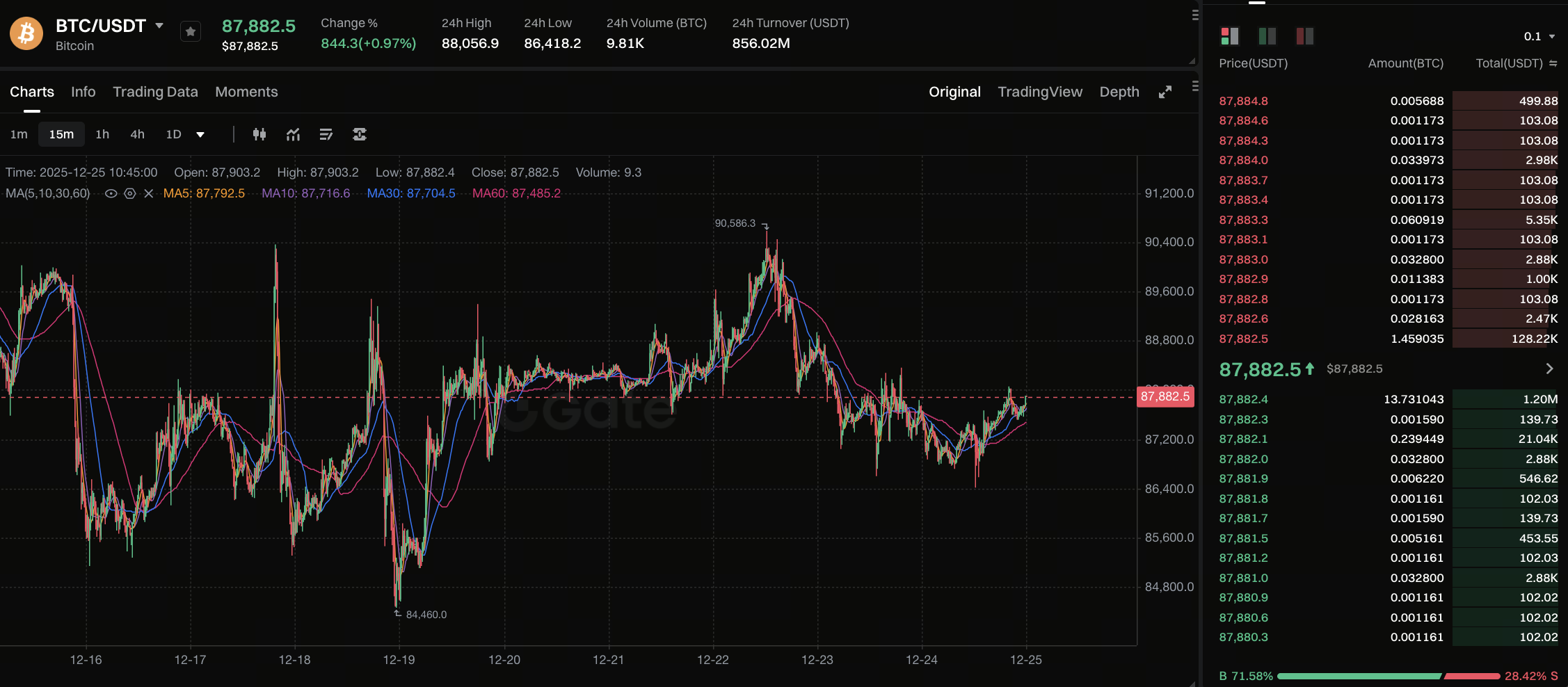
As the cornerstone of the crypto market, Bitcoin typically demonstrates stronger downside resilience during bear markets. Historical data shows that Bitcoin has endured deep corrections through several bear cycles, but has ultimately recovered and resumed its upward trend alongside market rebounds.
- Store of Value: BTC’s capped supply and decentralized design position it as “digital gold” in uncertain times.
- Institutional Adoption: Bitcoin remains the primary entry asset for institutional capital moving into crypto.
In bear market allocations, Bitcoin is often viewed as a core holding to reduce overall portfolio volatility.
2. Ethereum (ETH)
Source: https://www.gate.com/trade/ETH_USDT
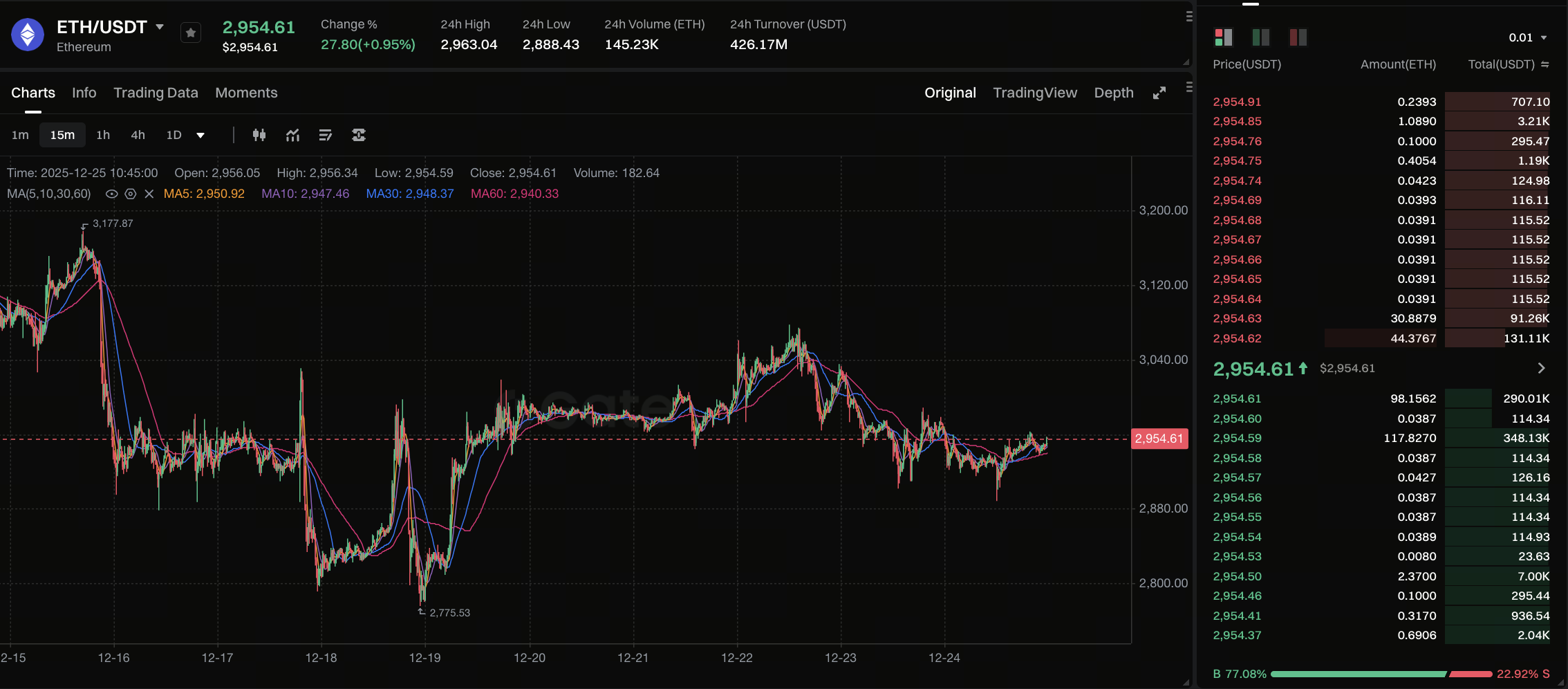
Ethereum stands as the leading smart contract platform, with an ecosystem spanning DeFi, NFTs, Layer 2 solutions, and real-world assets (RWA). While ETH also faces price corrections in bear markets, network activity and developer engagement remain robust.
- Ecosystem Strength: Ethereum boasts the most established developer community and the most comprehensive suite of applications.
- Deflationary Model: The EIP-1559 mechanism burns a portion of transaction fees, giving ETH deflationary properties under certain conditions.
- Core Infrastructure: Most Layer 2 and institutional-grade applications continue to rely on Ethereum as their primary settlement layer.
In a bear market, ETH serves as a “growth blue chip.” While it carries higher risk than BTC, its long-term potential is widely recognized by the market.
3. Solana (SOL)
Source: https://www.gate.com/trade/SOL_USDT
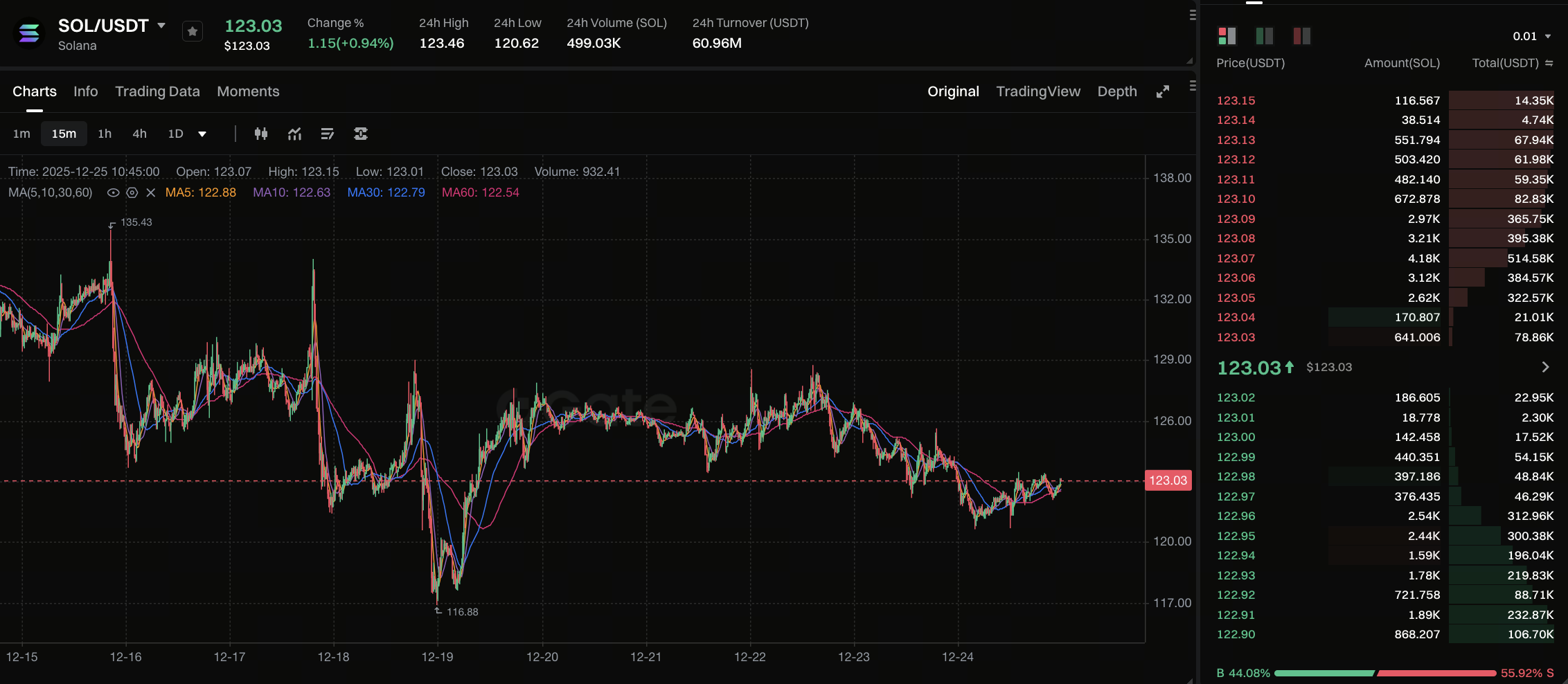
Solana is recognized for its high throughput and low transaction fees, making it one of the fastest-growing public blockchains in recent years. Despite its higher price volatility, Solana’s ecosystem maintains strong developer activity even during bear markets.
- Performance Edge: High-speed transaction processing supports high-frequency application scenarios.
- Ecosystem Recovery: DeFi and NFT projects are returning to the network, with on-chain activity steadily recovering.
Compared to BTC and ETH, SOL is more aggressive and suits investors with a higher risk appetite.
Bear Market Investment Strategies and Portfolio Management
During a bear market, investment strategies should prioritize risk management over short-term gains:
- Dollar-Cost Averaging (DCA): Helps avoid market-timing risk associated with lump-sum purchases.
- Focus on Leading Assets: BTC and ETH usually serve as the core of a balanced portfolio.
- Limit Leverage: High leverage significantly increases risk in bear market conditions.
Risk Considerations and Long-Term Perspective
Crypto asset prices are heavily influenced by macroeconomic trends, regulatory policies, and market sentiment. Even leading assets can experience significant drawdowns during bear markets. Investors should take a long-term view and allocate capital rationally according to their own risk tolerance.
Conclusion
In a bear market, selecting crypto assets with lasting value is crucial. Bitcoin offers strong defensive characteristics, Ethereum anchors the smart contract and ecosystem core, while Solana provides higher growth potential and flexibility. A balanced allocation among these three helps manage risk and seize opportunities during bear cycles.