MDT Platform Overview
(Source: MeasurableData)
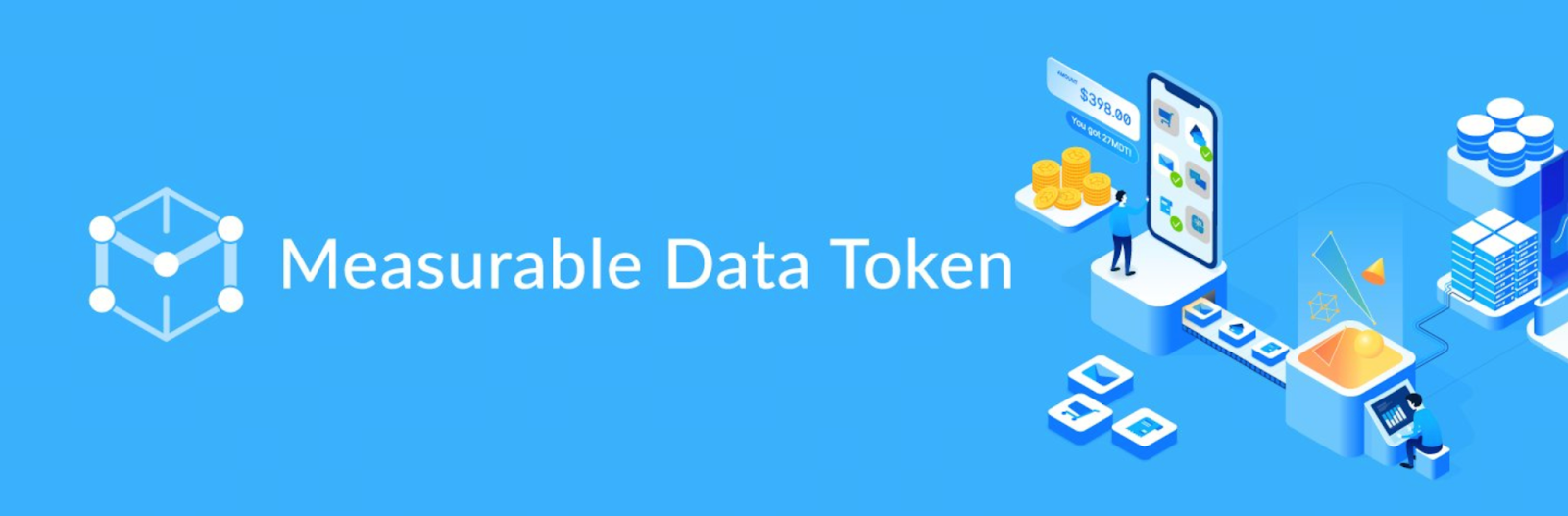
MDT is a decentralized platform dedicated to data rights and monetization, designed to disrupt the traditional data marketplace. By partnering with key collaborators like Exabel, MDT continually expands its data sources and accelerates ecosystem user growth. Currently, MDT has attracted over 6.5 million users and delivers advanced data insights and market analysis tools for financial analysts and investors.
Key platform features include:
- Decentralized Trading Protocol: Built on the Ethereum blockchain, providing transparent and tamper-resistant records of all data transactions.
- Smart Contract Automated Settlement: Guarantees fair compensation for data providers and removes intermediary interference.
- Security and Privacy Protection: Every transaction is anonymized to safeguard personal data from abuse.
Three Core Participants
The MDT ecosystem centers around three participant groups, each interacting via the platform’s smart contracts and MDT tokens:
1. Data Providers
- Individual users share anonymized data—such as shopping history or email receipts—through apps like RewardMe and MailTime.
- Contributing data earns MDT token rewards, allowing individuals to monetize their personal data.
2. Data Buyers
- Organizations including enterprises, hedge funds, and research institutions require aggregated consumer behavior data for market analysis and business decisions.
- They use MDT tokens to pay for access to anonymized, aggregated data insights.
3. MDT Platform
- Delivers the technical infrastructure that ensures secure, transparent, and equitable data exchange.
- Manages token distribution, transaction records, and overall ecosystem operations.
Token Economics and Utility
The MDT token serves several functions within the ecosystem, bridging data providers and buyers:
- Data Contribution Rewards
Users who share anonymized data receive MDT tokens, converting previously free-collected data into tradable assets. - Payment Medium
Enterprises and data buyers use MDT as the settlement currency for transactions and analytical services. - Staking and Membership Tiers
Users may stake MDT to upgrade their membership tier, unlocking extra rewards and cashback incentives for long-term engagement. - Decentralized Governance
MDT holders can participate in governance, voting on protocol upgrades, fee structures, and new features. - Ecosystem Service Fees
As platform capabilities grow, MDT will be used to pay for premium data analytics tools, deploy specialized applications, or access AI agent services.
Token Allocation
The MDT token is designed to foster a transparent data market where users and creators benefit from sharing data. Allocation details:
- Team (MailTime Team): 240,000,000 MDT (24%)
- Early Investors & Advisors: 110,000,000 MDT (11%)
- User Growth Mining Pool: 150,000,000 MDT (15%)
- Presale: 150,000,000 MDT (15%)
- Token Distribution Events: 350,000,000 MDT (35%)
Innovation and Market Impact
MDT disrupts data monopolies by introducing blockchain and token economics, enabling:
- Decentralized Data Marketplace: Removes intermediaries and boosts transaction transparency.
- Equitable Revenue Distribution: Ensures data providers receive fair compensation.
- Quantifiable Data Value: Uses tokens as the standard metric to incentivize secure sharing.
- Web3 Ecosystem Integration: Delivers unified infrastructure for data trading, AI analytics, and financial applications.
MDT’s approach brings Web3 principles to the traditional data market, unlocking value for personal data and providing enterprises with more efficient market intelligence.
To learn more about Web3, register here: https://www.gate.com/
Conclusion
By leveraging blockchain and a decentralized token economy, MDT has built a fair, transparent, and efficient data trading ecosystem. Individuals can now earn tangible rewards from their own data, while enterprises benefit from reliable, anonymized big data insights—redefining the value chain of the traditional data market. As MDT’s user base and partnerships expand, it is positioned to become the backbone of the Web3 data economy, driving the ecosystem toward greater decentralization and sustainability.