In recent years, stablecoins have evolved from simple trading instruments into a key bridge connecting decentralized finance, real-world payments, and cross-border settlement. From USDT and USDC to algorithmic stablecoins, the market has expanded rapidly. At the same time, several limitations have become apparent, including high on-chain transaction costs, fragmented cross-chain liquidity, and inconsistent payment experiences.
Plasma (XPL) emerges within this context as an infrastructure-oriented project. Its goal is not to issue a single stablecoin, but to build an on-chain payment network and settlement layer centered around stablecoins. It aims to function as a base network similar to a “stablecoin version of Visa or SWIFT,” enabling stablecoins to move freely across chains and applications.
Within the current landscape, Plasma can be understood as a liquidity and payment layer for stablecoins, connecting DeFi, CeFi, and real-world payment systems. This positioning gives it infrastructure-level significance.
What Is Plasma (XPL)?
As a blockchain infrastructure network focused on stablecoin circulation and payments, Plasma provides core functionalities such as cross-chain stablecoin liquidity support, efficient and low-cost on-chain settlement, developer-facing payment and clearing interfaces, and a unified liquidity layer for stablecoins.
Unlike general-purpose blockchains, Plasma emphasizes payment specialization. By simplifying execution logic and optimizing transaction pathways, it aims to improve throughput and efficiency. XPL serves as the native token of the network, used for transaction fees, participant incentives, and governance functions.

How Plasma Builds Stablecoin Infrastructure
The core idea behind Plasma is to establish a stablecoin-first infrastructure layer, allowing stablecoins to circulate on-chain with efficiency similar to cash. Its design includes several key elements.
First, by supporting multiple mainstream stablecoins such as USD-pegged assets, Plasma enables cross-asset payment compatibility, allowing users to transact without needing to convert between assets. Second, by optimizing transaction processing and settlement mechanisms, Plasma significantly reduces fees, making small and high-frequency payments more practical.
In addition, Plasma integrates payment, settlement, and data layers through a modular architecture. This design allows it to adapt to different regional requirements and application scenarios, positioning it as a global stablecoin payment network.
How Plasma Works: Core Technical Architecture
From a technical perspective, the Plasma network consists of several key modules, including the execution layer, settlement layer, and data availability layer. When a user initiates a stablecoin payment, the transaction first enters a sequencer within the network, where it is ordered, bundled, and executed.
After execution, transactions are submitted in batches to the settlement layer for final confirmation. This approach improves efficiency while maintaining security. The combination of batch processing and delayed settlement enables Plasma to achieve low costs while offering near real-time payment experiences.
In addition, Plasma may support cross-chain bridges that connect stablecoin assets across different blockchains, enabling broader liquidity integration. This design allows Plasma to function not only as a payment network but also as a central hub for stablecoin liquidity.
XPL Token Utility and Economic Model
XPL is the core functional token of the Plasma network, with a total supply of 10 billion tokens. Its primary uses include paying transaction fees, incentivizing network participants, and participating in governance decisions. Through these functions, XPL acts as a value coordination mechanism within the network.
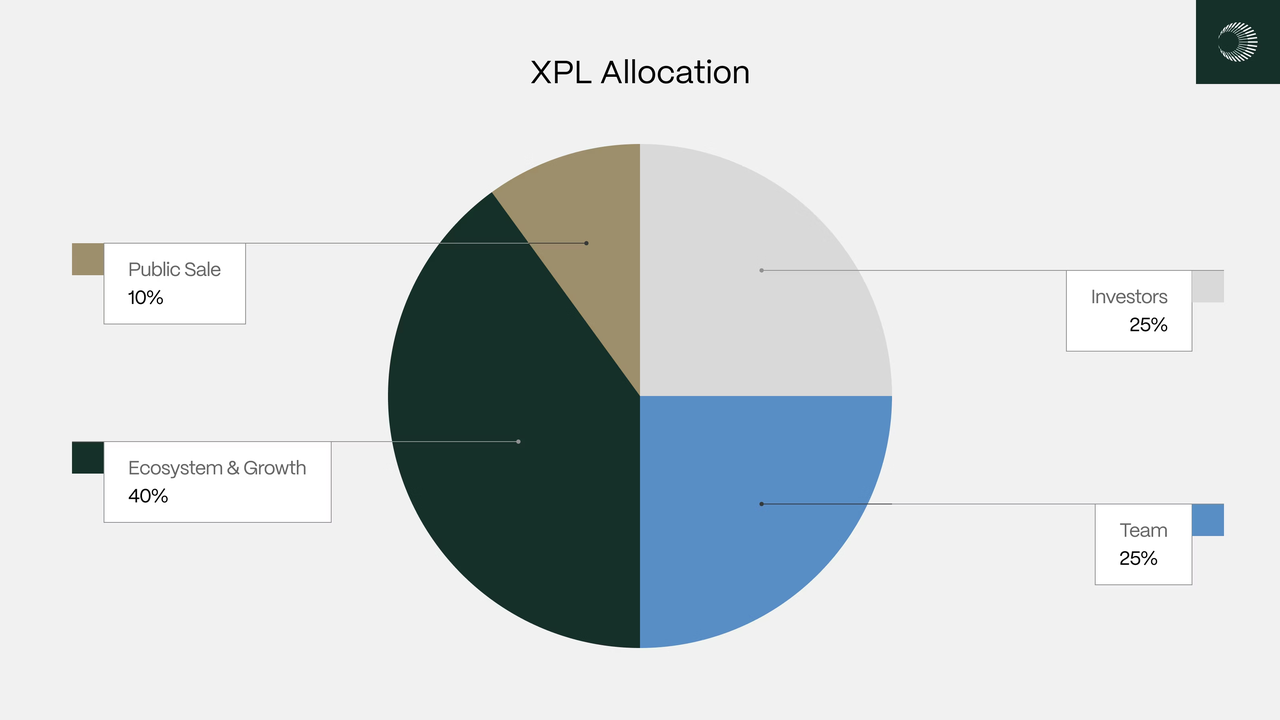
From an economic perspective, the value of XPL is closely linked to network usage. As demand for stablecoin payments increases, demand for XPL may also rise, creating a feedback loop between usage and token demand. If mechanisms such as token burning or staking are introduced, they may further enhance value capture.
Overall, XPL can be understood as an infrastructure-oriented token, with long-term value dependent on the scale of network adoption and ecosystem growth.
Core Use Cases of Plasma
Plasma’s design enables it to support multiple payment-related scenarios.
First, in cross-border payments, Plasma can facilitate fast and low-cost transfers using stablecoins, making it particularly relevant for remittance use cases in regions such as Southeast Asia and Latin America.
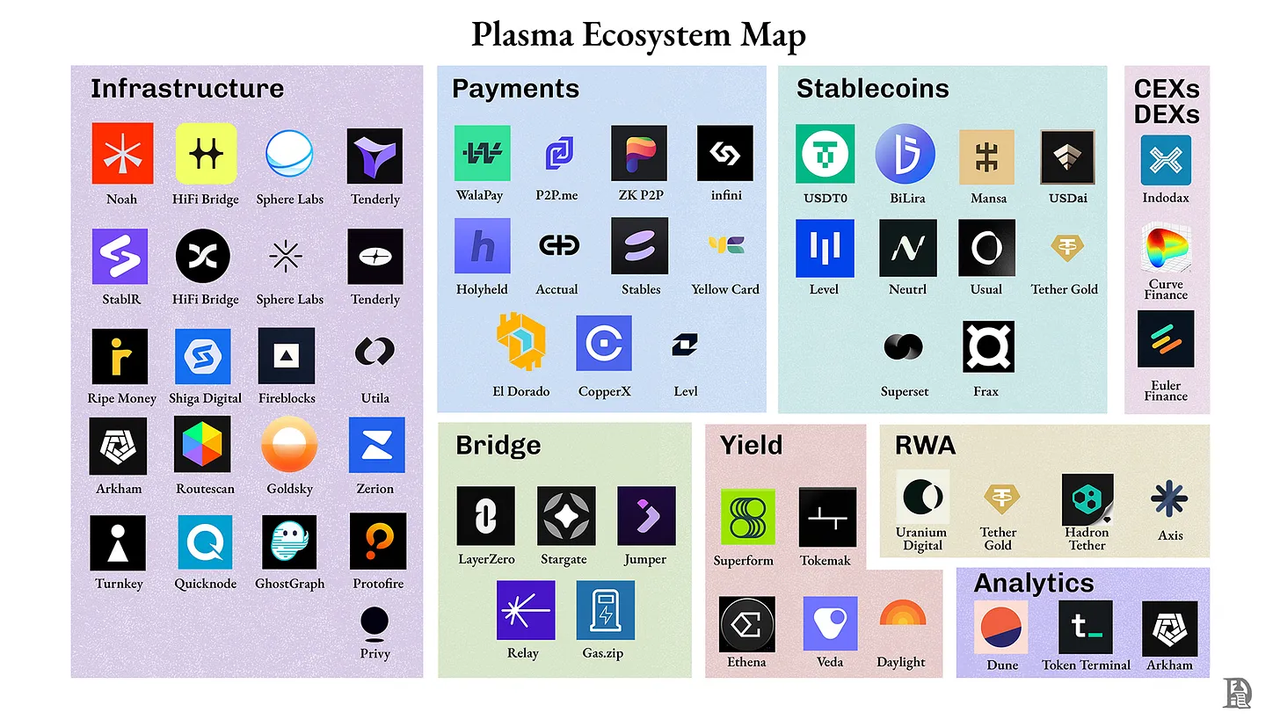
Second, in Web3 merchant payments, Plasma can provide stablecoin settlement capabilities for both online and offline businesses, helping reduce exchange rate risk and transaction costs. In DeFi, Plasma can also function as a liquidity and settlement infrastructure for stablecoins, improving capital efficiency.
These use cases form the demand foundation for Plasma and provide practical utility for the XPL token.
Plasma Compared With Other Payment Infrastructure
Compared with traditional payment systems such as Visa and SWIFT, Plasma represents a shift in underlying architecture.
Through on-chain settlement, transactions can be completed with near real-time finality, while all transaction records remain publicly verifiable, improving transparency. In a permissionless network, users can access global payment systems with only a basic crypto wallet, reducing reliance on traditional financial intermediaries and lowering participation barriers.
Compared with general-purpose blockchains, Plasma is more focused on payment-specific optimization rather than broad computation. For example, while Ethereum offers a rich ecosystem, its transaction costs can be relatively high for payment use cases. Some high-performance blockchains offer speed advantages but are not specifically optimized for stablecoin payments.
Plasma, by contrast, adopts a vertically focused design that concentrates resources on stablecoin transactions, balancing efficiency and cost.
Compared with other Stablecoin payment projects within the Tether ecosystem, Plasma has demonstrated faster expansion and broader integration with decentralized protocols and projects, indicating stronger growth potential and competitiveness.
Advantages and Potential Risks of Plasma
Plasma’s main advantage lies in its focus on stablecoin payments, a high-demand use case. By optimizing its architecture, it aims to achieve both low cost and high performance. Its open and global accessibility also allows it to serve users who are not well covered by traditional financial systems.
However, Plasma also faces certain risks. Its development is closely tied to the stablecoin ecosystem, meaning that regulatory or credibility issues affecting stablecoins could impact the network. In addition, blockchain-based payment systems still face challenges related to compliance and user adoption, which may influence long-term growth.
Conclusion: The Future Potential of Plasma (XPL)
Plasma (XPL) represents a shift in blockchain development from general-purpose platforms toward vertically specialized infrastructure. As stablecoins continue to grow, payment-focused networks may gain more real-world adoption opportunities.
Whether Plasma can become a key component of on-chain payment networks will depend on its technical maturity, ecosystem expansion, and ability to adapt to regulatory environments. If these conditions are met, Plasma may play a meaningful role in the future global payment system.
FAQs
Is Plasma (XPL) a Layer 1 or Layer 2 network?
Plasma is generally considered a payment-focused blockchain infrastructure. Its architecture may combine Layer 2 elements or operate as an independent chain depending on implementation.
What is the utility of the XPL token?
XPL is used for transaction fees, network incentives, and governance participation.
How is Plasma different from USDT?
USDT is a stablecoin asset, while Plasma is an infrastructure network that supports stablecoin circulation and payments.
Is Plasma suitable for cross-border payments?
Yes, its low cost and fast settlement characteristics make it suitable for cross-border remittance scenarios.
What is the main difference between Plasma and traditional payment networks?
Plasma operates on blockchain infrastructure, offering higher transparency and global accessibility, while traditional systems rely on banks and intermediaries.







