What Is the Layered Architecture of the Internet?
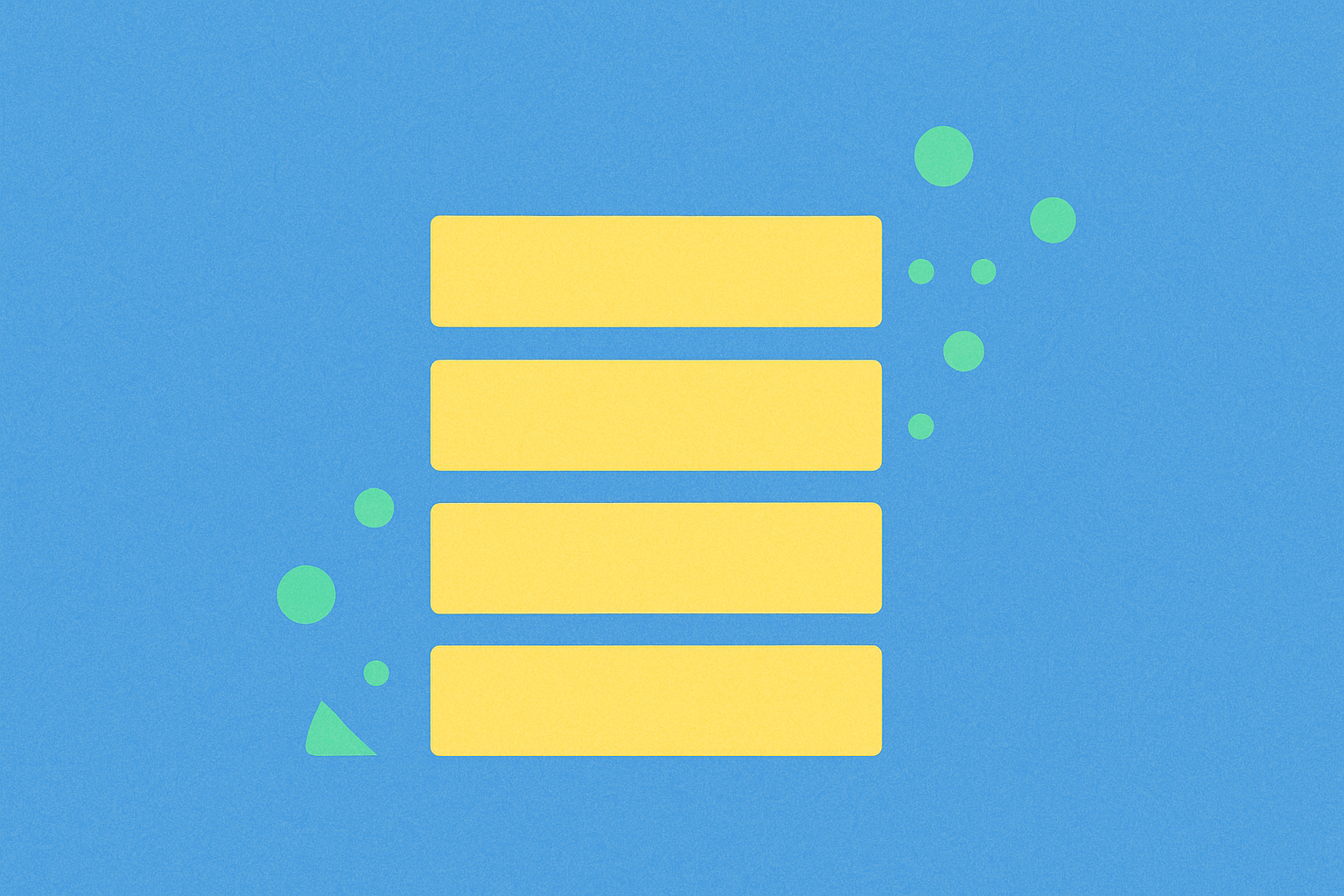
The layered architecture of the internet refers to a model that separates network communication into distinct layers, each with specific responsibilities. The most common structure consists of four layers: Application, Transport, Network, and Link. This design allows different protocols to operate independently at each layer while working together seamlessly.
You can think of it like a postal system: the Application layer is comparable to the content of your letter and the agreed-upon service rules (such as web browsing protocols). The Transport layer decides how to deliver the letter (choosing between reliability and speed, like signed delivery or express mail). The Network layer selects the route based on the destination address (routing and addressing). The Link layer represents the physical roads and final-mile delivery (ethernet cables or Wi-Fi). This separation enables each layer to focus on its tasks while coordinating through well-defined interfaces.
Why Is Layering Needed in Internet Architecture?
Layering in internet architecture serves several purposes: decoupling functions, facilitating interoperability, simplifying troubleshooting, and enabling scalability. Upper layers don’t need to understand the details of lower layers, and lower layers can be upgraded independently.
For example, when a browser adds support for a new web encryption method, you don’t have to change your network card. If an ISP optimizes routing, it doesn’t affect website application logic. Layering also streamlines troubleshooting: is it an issue with web protocols (Application layer), blocked ports (Transport layer), or address resolution failures (Network layer)? Standardized interfaces between layers have made global interconnectivity possible.
How Does Internet Layered Architecture Relate to OSI and TCP/IP?
The relationship between internet layered architecture, OSI, and TCP/IP is as follows: The OSI model is a seven-layer reference framework, while TCP/IP is the widely adopted practical model with four or five layers. Most real-world internet implementations follow the TCP/IP stack.
The OSI seven layers (Application, Presentation, Session, Transport, Network, Data Link, Physical) are primarily used for educational and conceptual alignment. The TCP/IP model typically combines "Application/Presentation/Session" into a single Application layer and merges "Data Link/Physical" into the Link layer, keeping the Transport and Network layers distinct in between. Understanding these mappings helps align textbook models with actual network operations.
What Are the Functions of Each Layer in Internet Architecture?
The responsibilities of each layer in internet architecture can be illustrated through common protocols:
- Application Layer: Handles user-facing rules and logic (e.g., HTTP for web browsing, DNS for domain resolution). HTTPS adds encryption on top of HTTP (usually with TLS), securing content and verifying identities—similar to locking and certifying a letter. DNS translates domain names to IP addresses like a directory service.
- Transport Layer: Manages end-to-end connections and reliability (e.g., TCP for reliable, ordered delivery—like signed packages; UDP for faster but less reliable delivery—like postcards, suitable for real-time applications such as voice or live streaming).
- Network Layer: Responsible for addressing and routing (e.g., IP determines packet destinations and chooses routes through routers—like postal codes and city addresses).
- Link Layer: Ensures local data transmission (e.g., Ethernet and Wi-Fi act as the roads handling delivery within a local area network).
How Is Internet Layered Architecture Used in Web3?
The layered architecture is fundamental across Web3: nodes, wallets, and frontends all rely on it for communication. JSON-RPC is a remote procedure call protocol that typically uses HTTP or WebSocket to send requests to blockchain nodes, representing an Application layer protocol and data format.
P2P (peer-to-peer) networking—core to many blockchains—establishes peer relationships and message propagation at the Application layer but still relies on TCP/UDP and IP at lower layers. IPFS’s content-addressing is handled by Application layer rules, while data transfer depends on the Transport and Network layers to reach the correct destination.
How Does Internet Layered Architecture Affect Gate’s API Calls?
Internet layered architecture directly impacts API calls to Gate: requests are made using HTTPS at the Application layer, while underlying Transport (TCP), Network (IP), and Link (Ethernet/mobile network) layers carry data to the servers. An issue at any layer can cause call failures.
At the Application layer, incorrect timestamps or signature formats will cause API requests to be rejected; failed HTTPS certificate validation will terminate connections. On the Transport layer, firewalls blocking TCP ports may lead to timeouts. At the Network layer, incorrect DNS resolution or unreachable routes will prevent connection. On the Link layer, unstable Wi-Fi or loose cables may cause unreliable data transmission. For financial operations, always verify HTTPS certificates and API domain sources to mitigate man-in-the-middle attack risks.
How Do You Troubleshoot Common Issues in Internet Layered Architecture?
Troubleshooting within this architecture is best approached layer by layer—from Application down to Link—systematically confirming each level.
- Check the Application Layer: Verify URLs, timestamps, signatures, and request header formats per API specifications. For browsers, try accessing other sites or check for certificate warnings.
- Check Network Layer Name Resolution: Use "ping domain" or "nslookup domain" to confirm you get an IP address; "ping" acts like sending a small probe packet to see if there’s a response.
- Check Transport Layer Connectivity: Use "telnet server IP port" or test WebSocket connectivity to check if the port is reachable; frequent disconnects may indicate firewall or proxy issues.
- Check Link Layer and Local Network: Verify Wi-Fi signal strength and physical cable connections; try changing networks or disabling VPN/proxy services to rule out local network interference.
- Check System and Routing: Restart routers and local network services; on enterprise networks, ask administrators if relevant ports or address ranges are being blocked.
What’s the Difference Between Internet Layered Architecture and P2P Overlay Networks?
Internet layered architecture forms the foundational layers of real-world networking, while P2P overlay networks are built atop the Application layer as virtual routing structures. Overlay networks define their own peer relationships and message dissemination strategies but still depend on underlying IP for delivering data to endpoints.
For instance, blockchain Gossip protocols determine at the Application layer which nodes receive block or transaction messages—similar to sharing information in a social network. BitTorrent also uses peer relationships at the Application layer for exchanging file fragments. Although different from ISP-level routing (Network layer), they still require real routing (Network) and transmission (Link) at lower layers.
Where Are Security Risks Found in Internet Layered Architecture?
Security risks can appear at every layer: DNS tampering, misconfigured TLS certificates, route hijacking, port poisoning, or link-layer eavesdropping. Understanding layering helps target defenses effectively.
- At the Application layer: Always verify HTTPS certificates and RPC endpoints.
- At the Transport layer: Avoid transmitting sensitive data in plaintext; prioritize encrypted channels.
- At the Network layer: Watch for BGP anomalies leading to route hijacking.
- At the Link layer: Public Wi-Fi can be monitored—use trusted networks and end-to-end encryption whenever possible.
For transactions involving funds, use secure devices/networks and double-check transaction details.
What Are Future Trends in Internet Layered Architecture?
Key trends include modernization of addressing and transport mechanisms, widespread encryption, and lower latency. According to Google’s IPv6 statistics, global IPv6 traffic accounted for around 40%-45% in 2024 (source), offering vast address space for IoT and mobile devices.
HTTP/3 with QUIC (built on UDP) reduces handshake latency and improves performance on unstable networks; major CDNs and websites have widely adopted it as of late 2024. Encrypted DNS protocols (DoH/DoT) secure name resolution processes within encrypted channels for better privacy. 5G and edge computing bring applications closer to users—driving further optimization of congestion control and path selection within layered architecture.
How Do Key Points of Internet Layered Architecture Connect?
Internet layered architecture divides communication into four key layers—Application, Transport, Network, and Link—each responsible for distinct tasks yet collaborating through clear interfaces. Understanding this model clarifies OSI-TCP/IP relationships; helps you design node/frontend communications in Web3; troubleshoot Gate API calls; and make informed choices about security and emerging trends. For troubleshooting, working down through each layer usually yields faster diagnoses; for future-proofing systems, keep an eye on IPv6 adoption, HTTP/3/QUIC deployment, and encrypted DNS protocols for greater stability and security.
FAQ
The Application and Transport layers are most prone to performance bottlenecks. The Application layer processes business logic—high concurrency can slow responses. The Transport layer controls data flow and congestion—network instability directly impacts speed. Bottlenecks can be alleviated by adding caching, optimizing algorithms, or using CDNs.
If My API Calls Frequently Time Out, Which Layers Could Be Involved?
Timeout issues usually involve the Application, Transport, and Network layers. First check if business logic in the Application layer is slow; then examine TCP connection states and timeout settings at the Transport layer; finally confirm routing and latency at the Network layer. Start troubleshooting with application logs before adjusting timeout parameters to match actual network conditions.
In Crypto Trading, Which Layers Does Blockchain Data Traverse Before Reaching My Wallet?
Trading data from a blockchain node passes through: Application layer (smart contract parsing) → Transport layer (TCP/UDP packaging) → Network layer (IP routing) → Data Link layer (MAC address mapping) → Physical layer (fiber optic/electrical signals) before reaching your device. Exchanges like Gate optimize protocols across all these layers to ensure transaction data reaches user wallets quickly and reliably.
Why Is Accessing Gate Faster from Some Regions Than Others Using the Same Network?
Network speed differences stem from regional disparities at various layers. The Network layer's routing choices are optimized by geography; Data Link layer quality depends on local ISPs; Physical infrastructure deployment also varies regionally. Gate deploys global nodes and CDNs so users in different regions access via optimal paths—reducing cross-region latency.
If My DApp Transactions Keep Failing, How Can I Quickly Identify Which Layer Has Issues?
Troubleshoot sequentially from top to bottom: start with the Application layer (check DApp code for errors), then examine Transport layer connectivity (is the connection being established?), check Network layer reachability (can you ping the server?), finally inspect Physical connections (cable plugged in? signal strength?). Most issues originate from either Application or Transport layers—browser developer tools can quickly reveal HTTP/WebSocket connection statuses for rapid root cause identification.