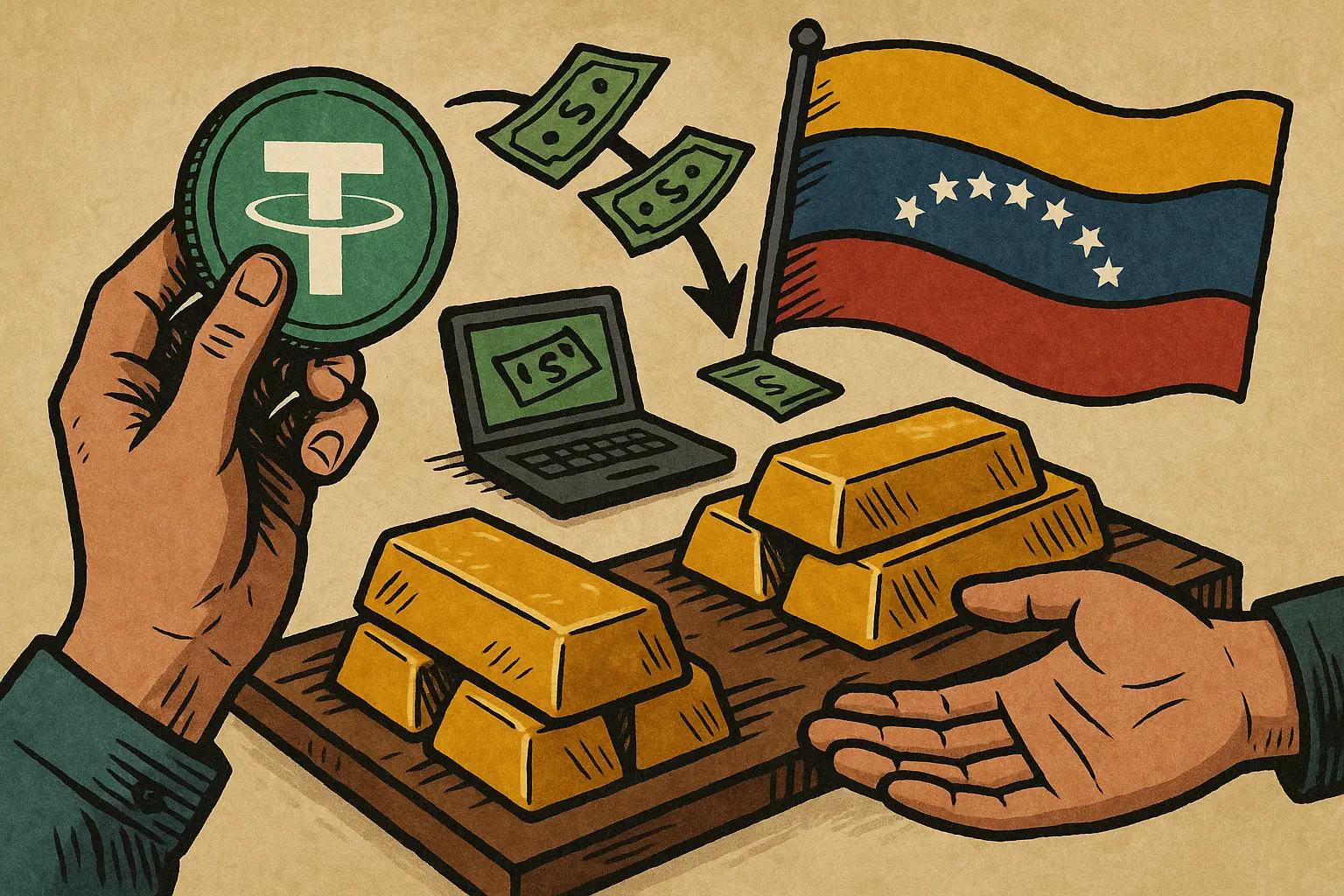
The Geneva-based Global Initiative against Transnational Organized Crime (GI-TOC) recently published a report titled “Transforming the Flow of Amazon Gold,” revealing that over the past two years, Venezuela has become a major regional destination for illegal Amazonian gold, completely reversing the traditional smuggling routes of gold from Venezuela to Brazil and Guyana. Notably, the report states that some illegal gold in Guyana is sold in Venezuela using USDT (Tether) stablecoins as the exchange medium.
Reversal of Illegal Gold Flows: Why Venezuela Has Become a New Money Laundering Hub
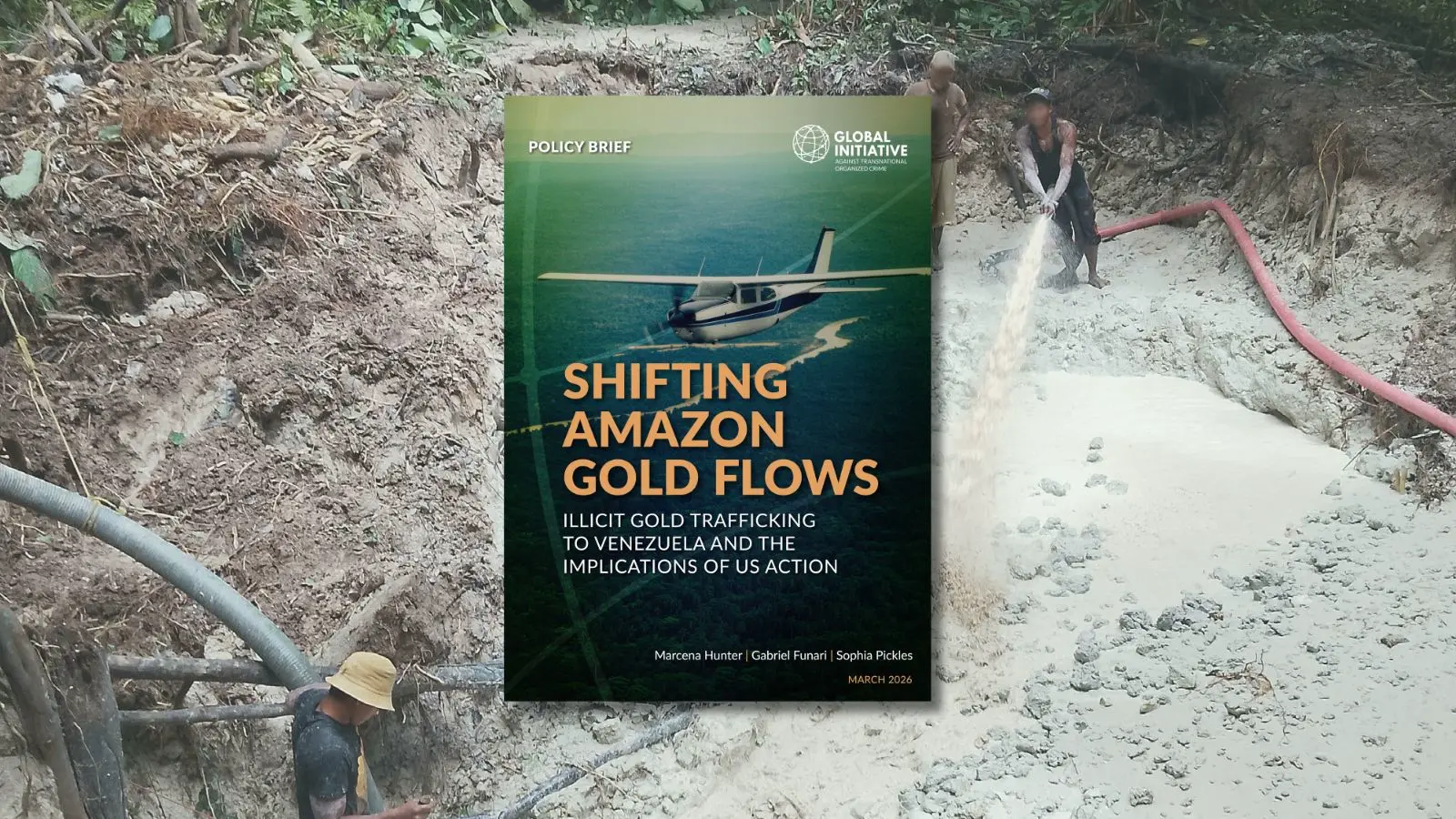
(Source: GI-TOC)
The core argument of the report is the reversal of flow patterns—altering the previous smuggling routes and revealing a new chain of illegal financial flows. Marcena Hunter, head of mining at GI-TOC and co-author of the report, stated that with Venezuela’s gold mining industry generating over $2.2 billion last year, and with the Maduro government heavily relying on gold as a fiscal pillar after oil revenues sharply declined due to mismanagement and sanctions, Venezuela has become a nexus for illegal gold and corrupt financial flows.
The report’s key finding indicates that the dangers of these illegal transactions go far beyond environmental concerns: “In Venezuela’s criminal ecosystem, illegal gold trading plays a significant role in connecting high-level politicians, military officials, and transnational criminal groups.”
The Role of USDT: Dual Functions in Sanctions Evasion and Money Laundering of Illegal Gold
Hunter told the media that their research shows illegal gold traders have been using USDT for transactions over the past year. She pointed out, “This highlights the growing importance of stablecoins in global illegal trade, raising broader concerns about cryptocurrencies and organized crime. Given the increasing interactions between stablecoins’ legal and illegal uses, we expect this trend to continue.”
This finding corroborates previous research. A December 2025 report by TRM Labs noted that, facing nearly a decade of international sanctions and severe inflation, Venezuela’s dependence on USDT has reached a significant level, making USDT function almost as an “informal dollar” in the Venezuelan economy. This widespread adoption also facilitates money laundering for illegal transactions.
In response, a Tether spokesperson stated that the company actively cooperates with law enforcement agencies worldwide and has frozen approximately $4.3 billion in assets related to illegal activities.
Legislative Response: Challenges and Necessity of U.S. Congressional Bills
At the time of the GI-TOC report’s release, the U.S. Congress was debating the “U.S. Legitimate Gold and Mining Cooperation Act,” which has been submitted to the Senate Foreign Relations Committee. The bill aims to “reduce the negative environmental and social impacts of illegal gold mining in the Western Hemisphere,” including disrupting financing channels for illegal actors and preventing foreign entities from benefiting from the U.S. financial system.
Hunter emphasized that the bill’s effectiveness depends on whether it includes provisions related to digital assets: “For it to be effective, the bill should include clauses related to cryptocurrencies, as digital assets are playing an increasingly important role in laundering proceeds from illegal gold transactions.” She further stated that a more fundamental solution requires systemic reform, “making gold trading more transparent and accountable domestically and internationally,” and must be based on practical experience in combating illegal mineral flows.
Frequently Asked Questions
Q: What is GI-TOC, and how credible is its report?
GI-TOC (Global Initiative against Transnational Organized Crime) is an independent civil society organization headquartered in Geneva, Switzerland, specializing in research and response to transnational organized crime. This report is based on field interviews and cross-verification from multiple sources, citing research from organizations including TRM Labs. It is widely referenced in mainstream media and academic circles, indicating high credibility.
Q: Why has USDT become the preferred tool for illegal gold trading?
Venezuela has a unique context regarding USDT use: facing strict international sanctions, hyperinflation, and limited access to USD, USDT has become an informal dollar substitute widely used by Venezuelans. Its broad adoption, combined with relative anonymity and difficulty in tracing transactions, makes USDT an effective tool for illegal gold traders to evade traditional financial monitoring.
Q: Will the “U.S. Legitimate Gold and Mining Cooperation Act” effectively address cryptocurrency money laundering?
Hunter from GI-TOC believes that if the bill does not include provisions related to cryptocurrencies, its effectiveness will be severely limited. While the draft already covers measures against illegal financing channels, it does not explicitly address the unique aspects of digital assets. Given USDT’s emerging role in illegal gold transactions, the absence of such provisions could allow criminal networks to easily bypass legal restrictions.
Disclaimer: The information on this page may come from third parties and does not represent the views or opinions of Gate. The content displayed on this page is for reference only and does not constitute any financial, investment, or legal advice. Gate does not guarantee the accuracy or completeness of the information and shall not be liable for any losses arising from the use of this information. Virtual asset investments carry high risks and are subject to significant price volatility. You may lose all of your invested principal. Please fully understand the relevant risks and make prudent decisions based on your own financial situation and risk tolerance. For details, please refer to
Disclaimer.


