

Trade
Basic
Futures
Futures
Hundreds of contracts settled in USDT or BTC
TradFi
Gold
Trade global traditional assets with USDT in one place
Options
Hot
Trade European-style vanilla options
Unified Account
Maximize your capital efficiency
Demo Trading
Futures Kickoff
Get prepared for your futures trading
Futures Events
Participate in events to win generous rewards
Demo Trading
Use virtual funds to experience risk-free trading
Earn
Launch
CandyDrop
Collect candies to earn airdrops
Launchpool
Quick staking, earn potential new tokens
HODLer Airdrop
Hold GT and get massive airdrops for free
Launchpad
Be early to the next big token project
Alpha Points
Trade on-chain assets and enjoy airdrop rewards!
Futures Points
Earn futures points and claim airdrop rewards
Investment
Simple Earn
Earn interests with idle tokens
Auto-Invest
Auto-invest on a regular basis
Dual Investment
Buy low and sell high to take profits from price fluctuations
Soft Staking
Earn rewards with flexible staking
Crypto Loan
0 Fees
Pledge one crypto to borrow another
Lending Center
One-stop lending hub
VIP Wealth Hub
Customized wealth management empowers your assets growth
Private Wealth Management
Customized asset management to grow your digital assets
Quant Fund
Top asset management team helps you profit without hassle
Staking
Stake cryptos to earn in PoS products
Smart Leverage
New
No forced liquidation before maturity, worry-free leveraged gains
GUSD Minting
Use USDT/USDC to mint GUSD for treasury-level yields

More


Trending Topics
View More74.87K Popularity
3.93K Popularity
1.54K Popularity
1.92K Popularity
5.89K Popularity




Pin
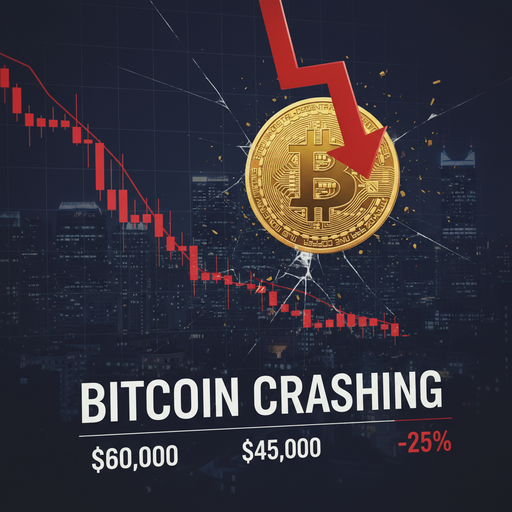
The spot ETF market dominated by speculative investments: Market turbulence caused by Trump's policies
As recent data from the spot ETF sector falls short of market expectations, it has become evident that the behavior patterns of speculative investors underpin market fluctuations. The ETF purchase data released on Tuesday shows weakness contrary to the traditional bullish scenario, driven by a temporary investment stance based on speculative price increase expectations.
What ETF Data Suggests About the Nature of Speculative Investors
Many traditional investors in spot ETFs are not participating out of belief in Bitcoin’s long-term value but are motivated by short-term price increase speculation. These speculative traders tend to continue buying actively during upward market phases but quickly sell with a willingness to accept losses once prices reverse. As a result, significant volatility is introduced into overall market trading data, causing data points to deviate from expected values.
As of January 31, 2026, Bitcoin’s price is at $84.18K, with a 24-hour change rate of -0.70%. Even in such a micro-movement state, the market sentiment continues to react sensitively due to repeated inflows and outflows of speculative funds.
Immediate Reaction of Bitcoin Market to President Trump’s Tariff Policy Announcement
The turning point was the announcement at 3:27 AM Eastern Time of President Donald Trump’s temporary suspension of tariffs related to Greenland. This policy announcement immediately had a positive impact on risk asset markets, with both the U.S. stock market and Bitcoin showing favorable responses. The improvement in market sentiment driven by Trump’s policy suggested to investors that the data might not be as pessimistic as feared, encouraging short-term speculative buying.
Two Market Psychologies: Speculative Traders and Long-term Investors
However, even after this policy announcement, the fundamental behavior pattern of speculative investors has not changed. The dichotomy of market behavior—speculative capital inflows seeking price increases and rapid selling during downturns—continues to dominate the market. While data from Wednesday onward is unlikely to be as disappointing, the fate of speculative investments suggests that rapid capital outflows could occur again when new negative factors emerge. Until market participants shift from speculative trading styles to more sustainable investment approaches, such volatility is expected to persist.
#BTC #ETF