
Futures
Access hundreds of perpetual contracts
TradFi
Gold
One platform for global traditional assets
Options
Hot
Trade European-style vanilla options
Unified Account
Maximize your capital efficiency
Demo Trading
Introduction to Futures Trading
Learn the basics of futures trading
Futures Events
Join events to earn rewards
Demo Trading
Use virtual funds to practice risk-free trading
Launch
CandyDrop
Collect candies to earn airdrops
Launchpool
Quick staking, earn potential new tokens
HODLer Airdrop
Hold GT and get massive airdrops for free
Pre-IPOs
Unlock full access to global stock IPOs
Alpha Points
Trade on-chain assets and earn airdrops
Futures Points
Earn futures points and claim airdrop rewards


More




#Gate广场四月发帖挑战
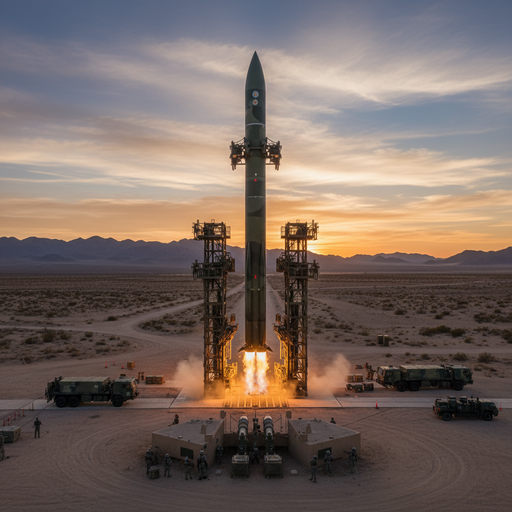
As of April 13, 2026 (current), the Strait of Hormuz is under strict control by Iran with extremely low traffic flow restrictions, not a complete physical blockade, but energy transportation (oil tankers/LNG) is essentially halted.
1. Core Background (Trigger)
- April 8: The US and Iran announced a two-week temporary ceasefire.
- On the same day: Israel conducted airstrikes in Lebanon, Iran considered it a violation of the ceasefire, and immediately increased Strait control, stating that ships without permission would be attacked.
- Iran laid mines in the main shipping lane, forcing ships to navigate through the northern designated narrow channel.
2. Current Navigation Situation (April 8–12)
- Only 5–10 ships pass per day (normally about 120–135 ships/day).
- Almost no oil tankers/LNG ships: mainly bulk and general cargo ships.
- Rules:
- Permission must be applied for in advance from the Iranian Revolutionary Guard.
- Only non-hostile, neutral/friendly countries' ships are allowed.
- Passage is prohibited without approval, otherwise risk of sinking or mine contact.
- Stranded: approximately 400–800 ships (including hundreds of oil tankers) are stuck in the Persian Gulf.
3. Energy and Market Impact
- About 20% of global oil trade passes through this channel.
- International oil prices surged to $115–120 per barrel.
- Shipping companies rerouted around the Cape of Good Hope, increasing costs by 30% and adding 10 days to the voyage.
- War risk insurance premiums skyrocketed, mainstream oil tanker companies dare not enter.
4. Positions of Various Parties
- Iran: Using the Strait as a bargaining chip, demanding compensation from the US and Israel, and recognition of its uranium enrichment rights.
- United States: Pressuring Iran to open the Strait, but no signs of military action.
- China/India/EU: Calling for an immediate and comprehensive resumption of navigation to ensure energy security.
5. Short-term Outlook
- Ceasefire until April 22; Strait control is the core of US-Iran negotiations.
- Complete normalization is unlikely in the short term; a limited flow approval system is likely to be maintained.