#USBlocksStraitofHormuz
Historic Turning Point in Global Energy Supply
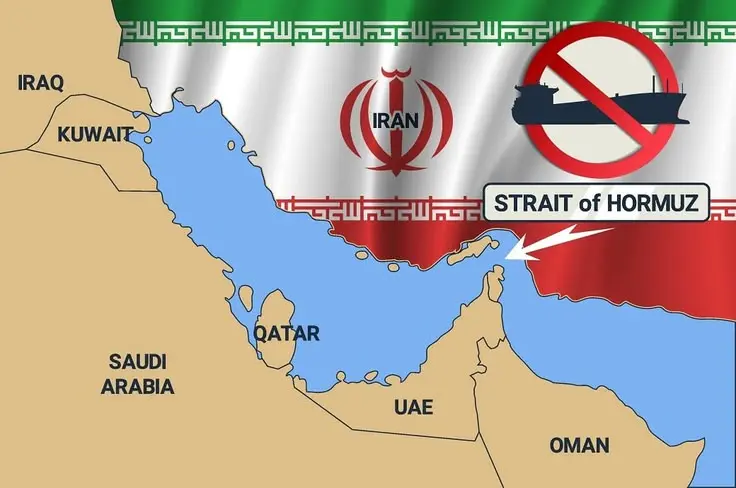
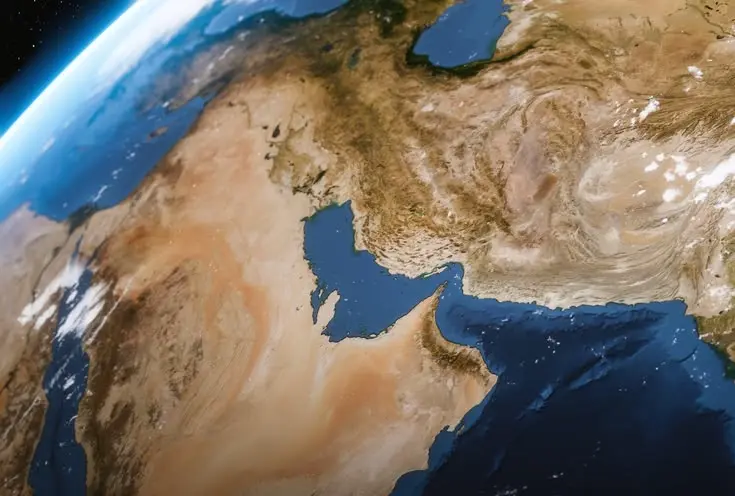
On the morning of April 13, 2026, at the order of US President Donald Trump, the US Navy launched a full naval blockade of Iranian ports and coastal areas. This move came immediately after 21 hours of US-Iran ceasefire talks in Islamabad, Pakistan, ended without an agreement, and directly targets the most critical strait for world energy trade. In this analysis prepared for the Gate Square community, we examine the chronology of the event, the reactions of the parties, and especially its profound impact on cryptocurrency markets and global economies, from an expert perspective.
Developments
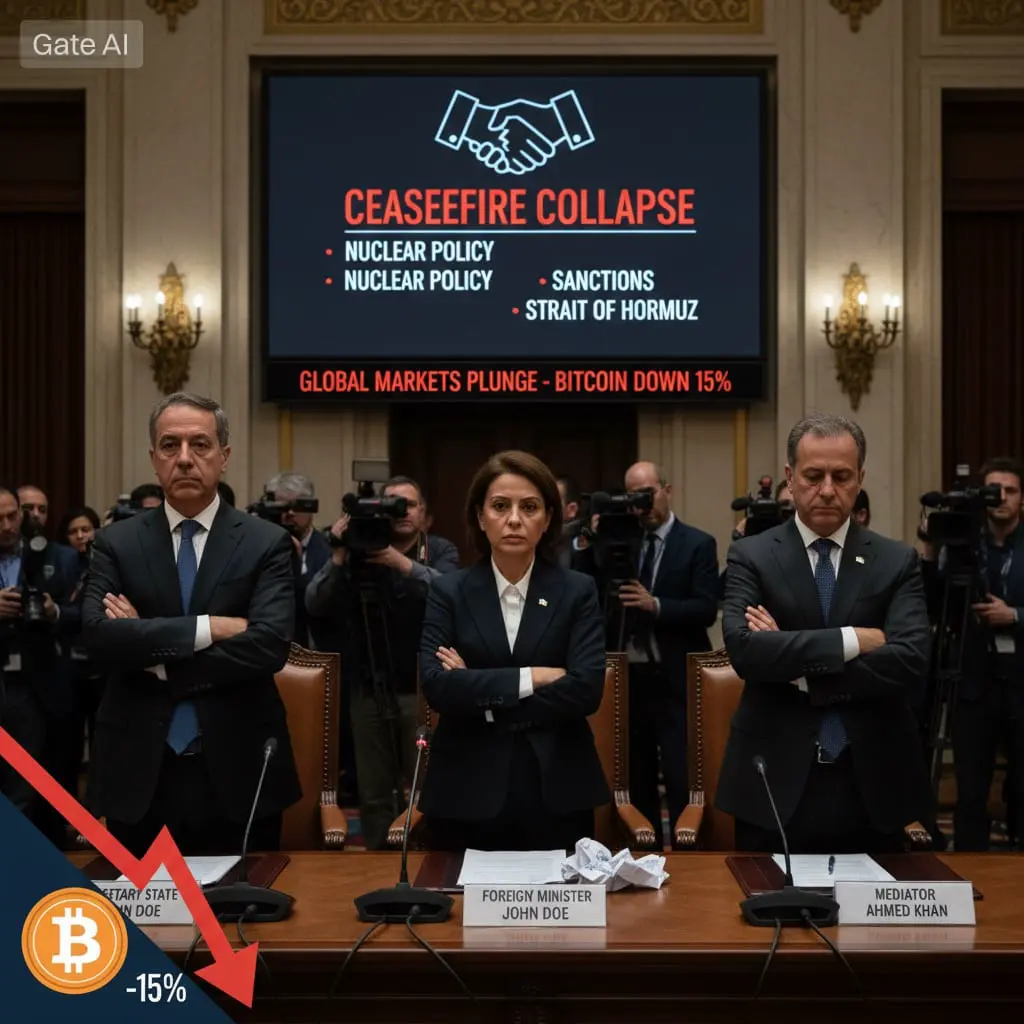
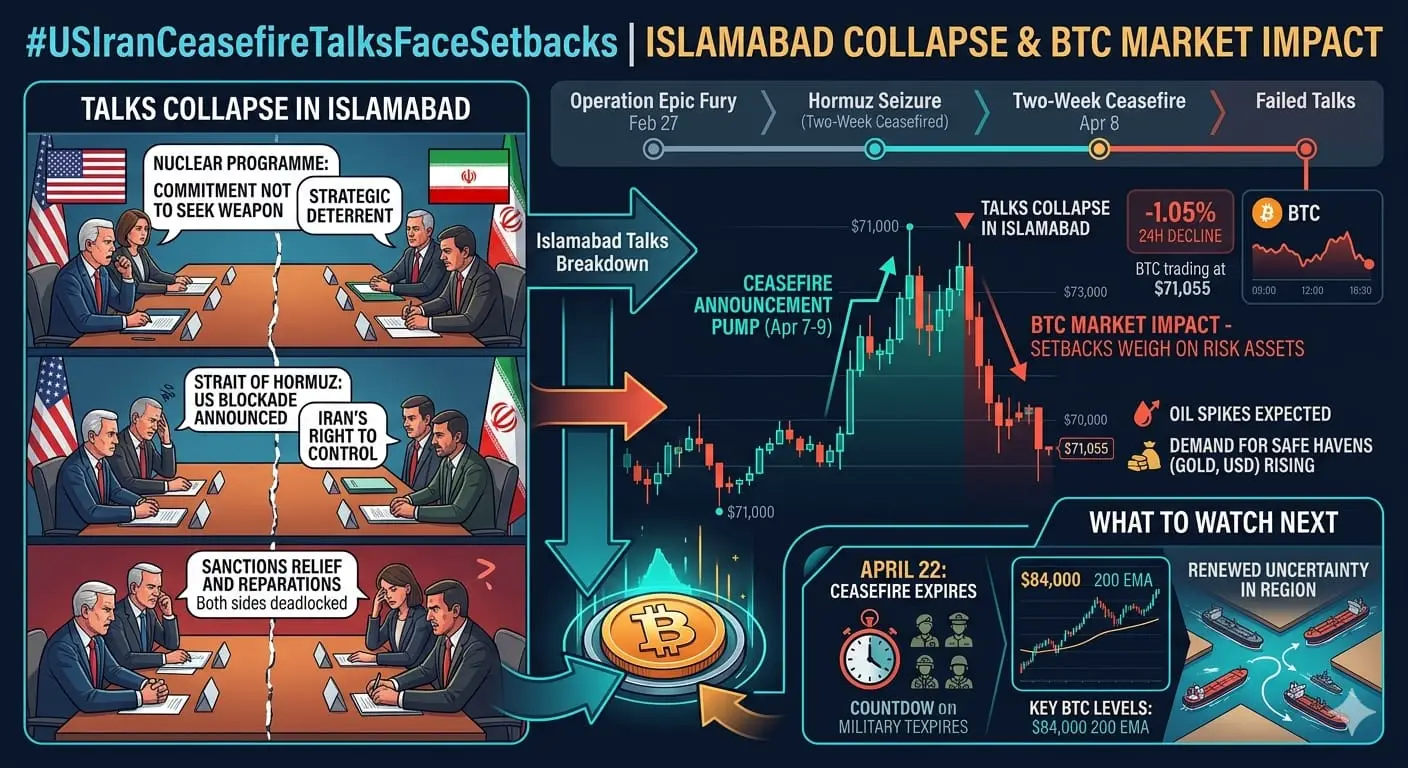
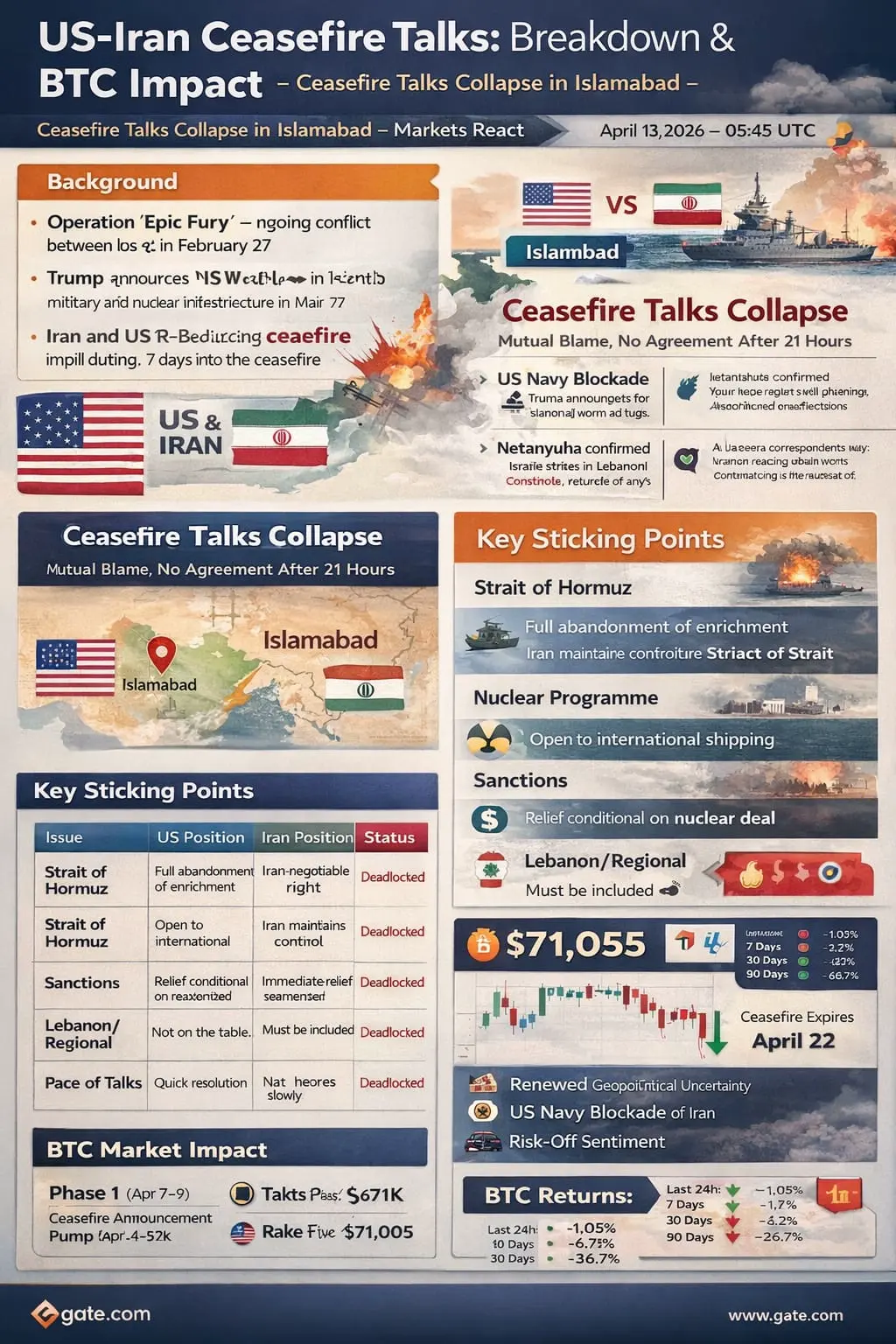
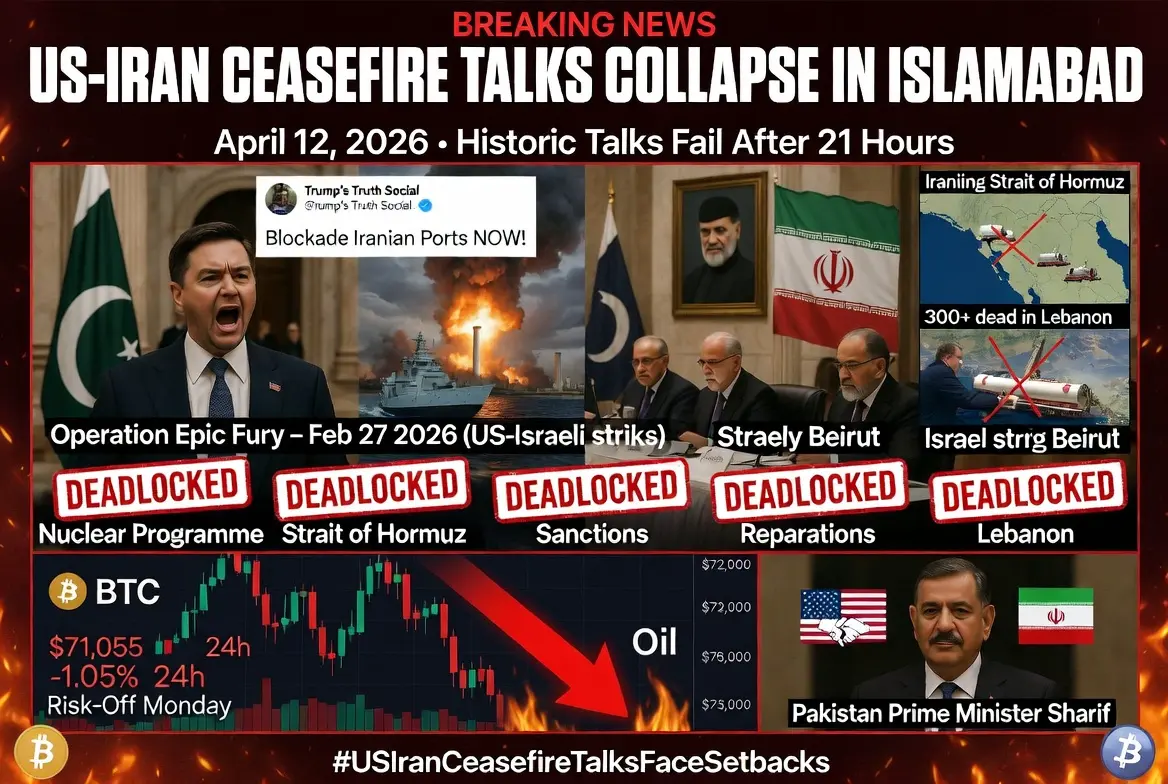
It all stemmed from the marathon held in Islamabad on April 12, 2026. 21 hours of direct negotiations between the American delegation led by US Vice President JD Vance and Iranian officials stalled because Iran refused to abandon its nuclear program. Following the collapse of talks, President Trump announced on Truth Social that he had instructed the US Navy to "block all ships entering or leaving the Strait of Hormuz" because "Iran has not abandoned its nuclear ambitions." The US Central Command (CENTCOM) officially implemented the blockade on Monday, April 13, at 10:00 AM EDT (5:30 PM Turkish time).
The blockade targets ships bound for Iranian ports and coasts; however, transit between ports outside of Iran is permitted. The aim is to maximize economic pressure by cutting off Iran's approximately 2.5 million barrels of oil exports per day. Iran immediately responded with a strong counterattack: the Revolutionary Guard Navy threatened all ports on both sides of Hormuz, stating that "no port in the region will be safe," and described the US move as "maritime piracy."
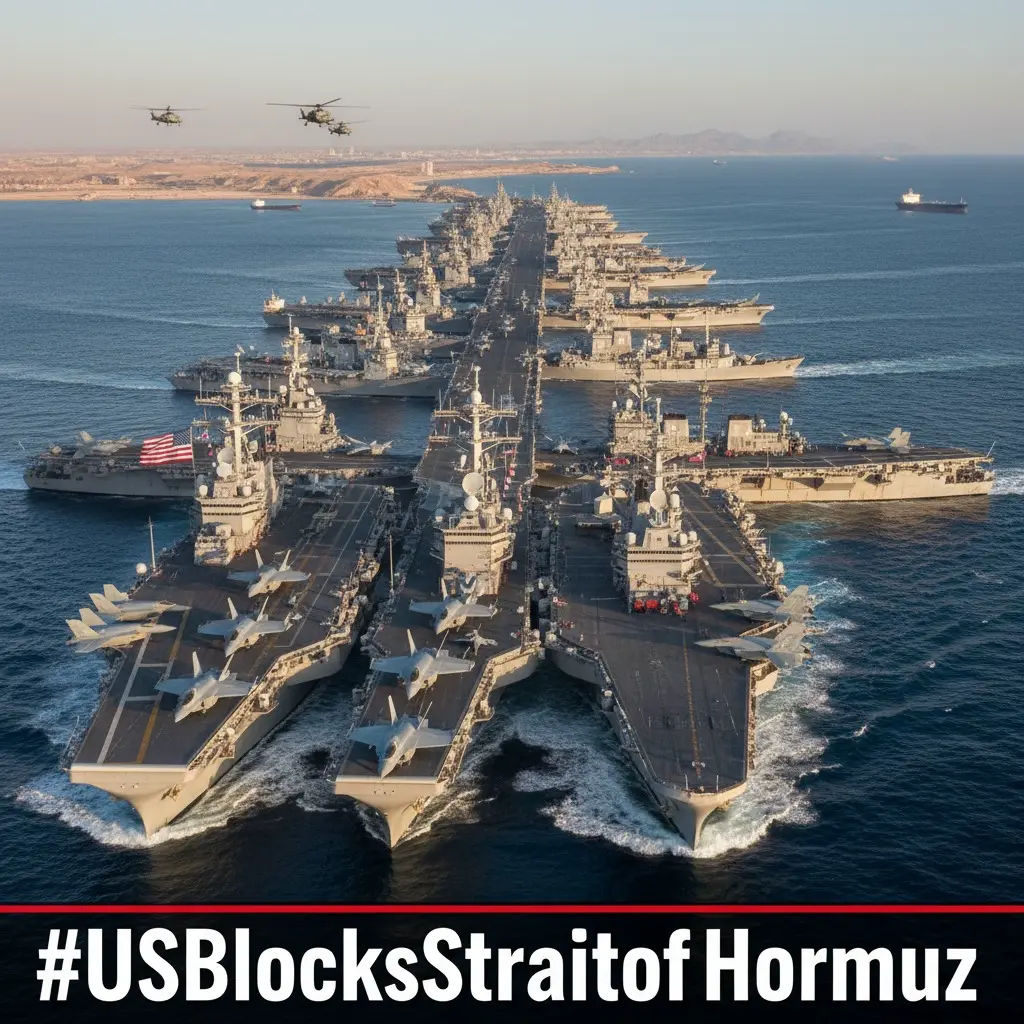
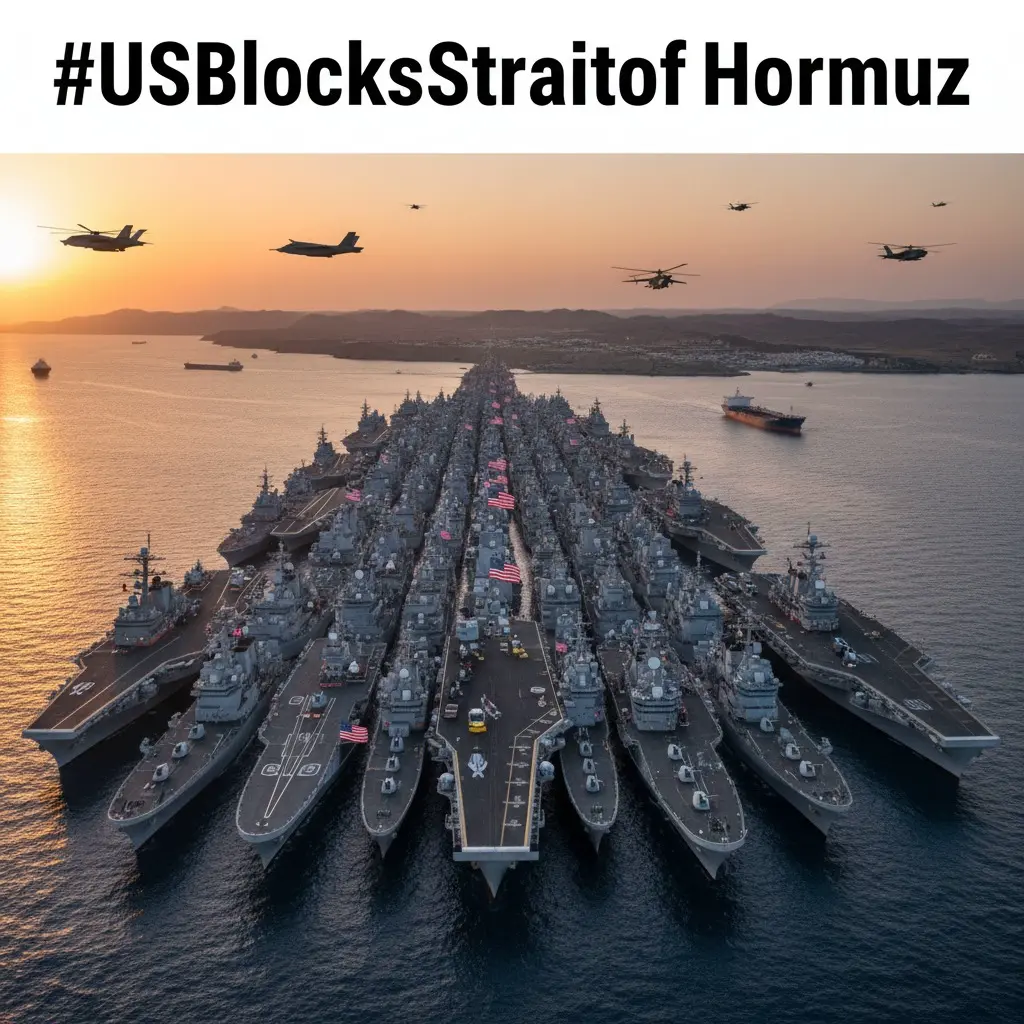
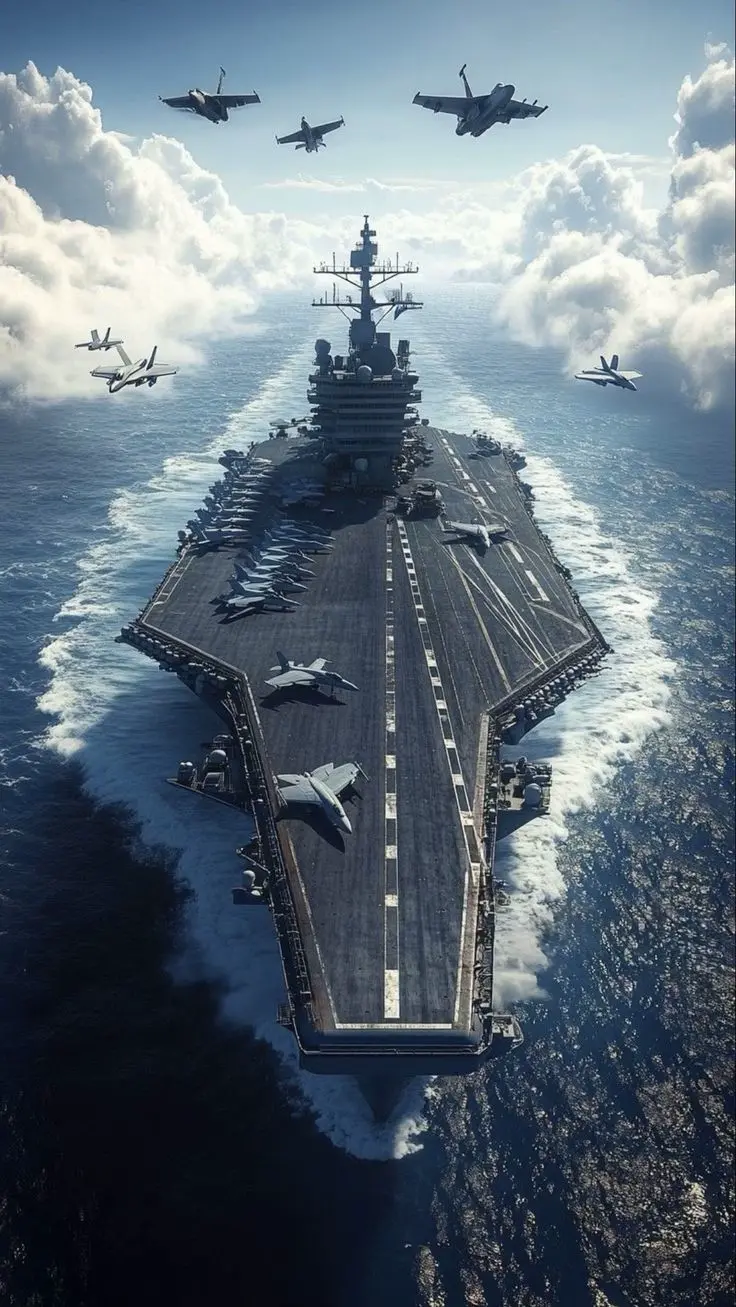
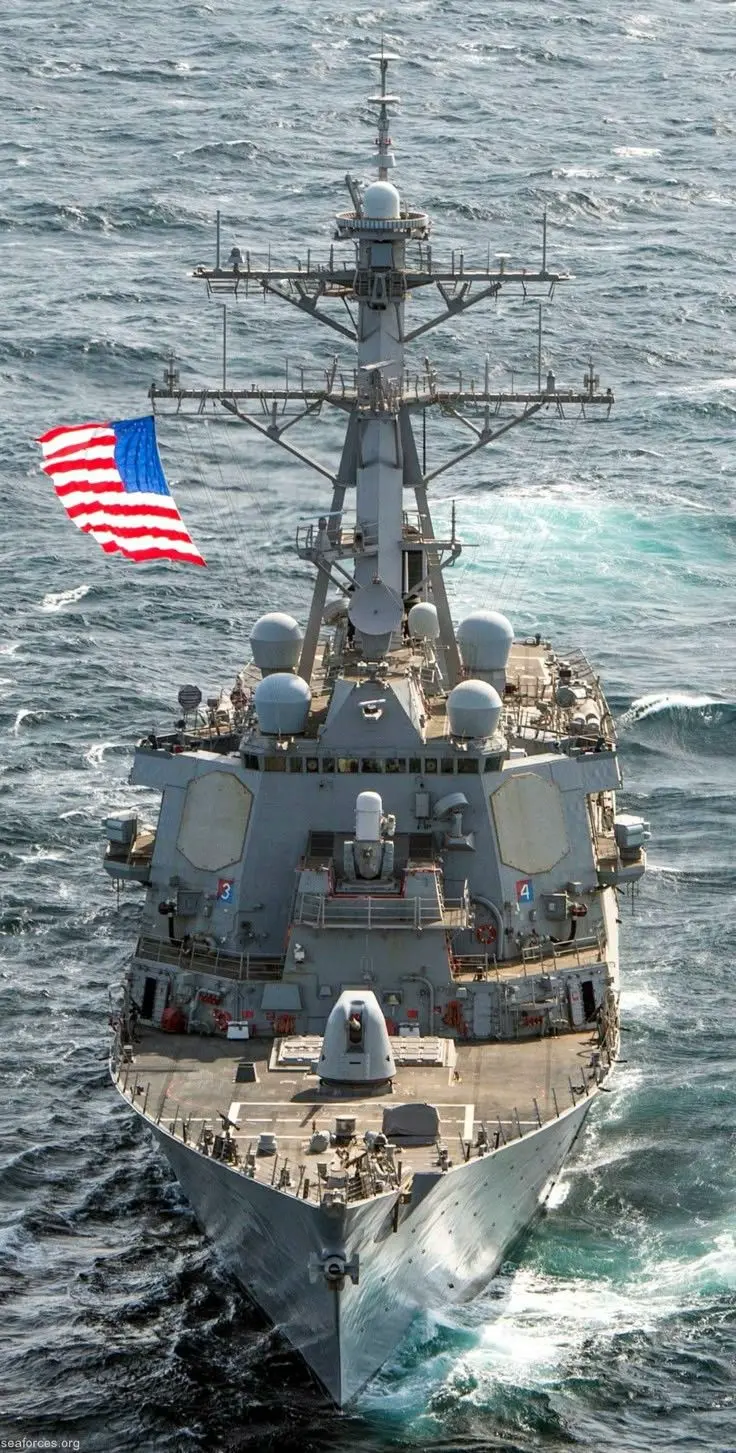
Currently, US naval forces, including destroyers and surveillance systems, are providing operational control of the blockade. European countries, however, announced their refusal to participate. On the diplomatic front, British Prime Minister Keir Starmer announced the establishment of a joint crisis committee with France; however, the ceasefire remains fragile.
The US blockade of Hormuz is not only an economic weapon against Iran; it also once again highlights the fragility of global energy security. The de facto control of this strait, through which 20-30% of the world's oil trade passes, represents the highest level of geopolitical risk seen since the 1970s. In the short term, it carries the risk of a sharp rise in oil prices, and in the long term, permanent damage to supply chains.
Impacts and Expectations for Cryptocurrencies and Global Economies
This development has a double impact on cryptocurrency markets. Firstly, **safe haven demand**: Historically, in geopolitical shocks, major assets such as Bitcoin and Ethereum, along with gold, are preferred as a safe haven asset. With the continuation of the short-term short squeeze from last night, BTC testing the resistance in the 71,000-72,500 range is reinforcing institutional investors' perception of "digital gold in macroeconomic uncertainty." An acceleration inflows into spot Bitcoin ETFs is expected; new records may be seen, especially in large funds like BlackRock IBIT and Fidelity FBTC.
Secondly, increased volatility: The sudden rise in oil prices (currently Brent moving towards the $85-90 range) could reignite inflationary pressures, potentially delaying expectations of a Fed interest rate cut. While this may suppress risk appetite in the short term, in the medium term it could trigger a "weak dollar + liquidity seek" scenario, creating opportunities in altcoins and DeFi projects. Energy-related tokens (e.g., assets correlated with oil derivatives or mining stocks) may experience a short-term surge.
The picture is more critical for global economies. Emerging markets (including Turkey, India, and China) will face pressure from current account deficits due to inflated import bills. While the risk of stagflation is rising in Europe and Asia, Gulf allies like Saudi Arabia and the UAE may experience short-term increases in oil revenue, but long-term logistical costs will hit the entire region. According to analysts, if the blockade remains permanently stalled, global GDP growth for 2026 could be revised downwards by 0.5-1 percentage points.
Expectations: In the short term (1-2 weeks), a final window for diplomacy appears open; European initiatives led by Starmer and signals from Iran to "return to talks" support this. However, the Trump administration's condition of "nuclear concessions" remains rigid. If the blockade does not partially ease within 10-15 days, oil could approach the $100 mark, and the crypto market risks a sharp correction down to the 60,000-65,000 support level. Conversely, if the ceasefire is extended, a risk-on rally could see BTC rapidly rise to the 78,000-80,000 range.
Critical for everyone following this tag in Gate Square: Geopolitical shocks always create short-term volatility and medium-term opportunities. Adjust your positions accordingly, maintain liquidity, and closely monitor macroeconomic news flow.
⚠️Don't Forget to mark Stoploss and manage risk properly.
👉NFA
👉DYOR
$BTC $XAUUSD $XBRUSD
Historic Turning Point in Global Energy Supply
On the morning of April 13, 2026, at the order of US President Donald Trump, the US Navy launched a full naval blockade of Iranian ports and coastal areas. This move came immediately after 21 hours of US-Iran ceasefire talks in Islamabad, Pakistan, ended without an agreement, and directly targets the most critical strait for world energy trade. In this analysis prepared for the Gate Square community, we examine the chronology of the event, the reactions of the parties, and especially its profound impact on cryptocurrency markets and global economies, from an expert perspective.
Developments
It all stemmed from the marathon held in Islamabad on April 12, 2026. 21 hours of direct negotiations between the American delegation led by US Vice President JD Vance and Iranian officials stalled because Iran refused to abandon its nuclear program. Following the collapse of talks, President Trump announced on Truth Social that he had instructed the US Navy to "block all ships entering or leaving the Strait of Hormuz" because "Iran has not abandoned its nuclear ambitions." The US Central Command (CENTCOM) officially implemented the blockade on Monday, April 13, at 10:00 AM EDT (5:30 PM Turkish time).
The blockade targets ships bound for Iranian ports and coasts; however, transit between ports outside of Iran is permitted. The aim is to maximize economic pressure by cutting off Iran's approximately 2.5 million barrels of oil exports per day. Iran immediately responded with a strong counterattack: the Revolutionary Guard Navy threatened all ports on both sides of Hormuz, stating that "no port in the region will be safe," and described the US move as "maritime piracy."
Currently, US naval forces, including destroyers and surveillance systems, are providing operational control of the blockade. European countries, however, announced their refusal to participate. On the diplomatic front, British Prime Minister Keir Starmer announced the establishment of a joint crisis committee with France; however, the ceasefire remains fragile.
The US blockade of Hormuz is not only an economic weapon against Iran; it also once again highlights the fragility of global energy security. The de facto control of this strait, through which 20-30% of the world's oil trade passes, represents the highest level of geopolitical risk seen since the 1970s. In the short term, it carries the risk of a sharp rise in oil prices, and in the long term, permanent damage to supply chains.
Impacts and Expectations for Cryptocurrencies and Global Economies
This development has a double impact on cryptocurrency markets. Firstly, **safe haven demand**: Historically, in geopolitical shocks, major assets such as Bitcoin and Ethereum, along with gold, are preferred as a safe haven asset. With the continuation of the short-term short squeeze from last night, BTC testing the resistance in the 71,000-72,500 range is reinforcing institutional investors' perception of "digital gold in macroeconomic uncertainty." An acceleration inflows into spot Bitcoin ETFs is expected; new records may be seen, especially in large funds like BlackRock IBIT and Fidelity FBTC.
Secondly, increased volatility: The sudden rise in oil prices (currently Brent moving towards the $85-90 range) could reignite inflationary pressures, potentially delaying expectations of a Fed interest rate cut. While this may suppress risk appetite in the short term, in the medium term it could trigger a "weak dollar + liquidity seek" scenario, creating opportunities in altcoins and DeFi projects. Energy-related tokens (e.g., assets correlated with oil derivatives or mining stocks) may experience a short-term surge.
The picture is more critical for global economies. Emerging markets (including Turkey, India, and China) will face pressure from current account deficits due to inflated import bills. While the risk of stagflation is rising in Europe and Asia, Gulf allies like Saudi Arabia and the UAE may experience short-term increases in oil revenue, but long-term logistical costs will hit the entire region. According to analysts, if the blockade remains permanently stalled, global GDP growth for 2026 could be revised downwards by 0.5-1 percentage points.
Expectations: In the short term (1-2 weeks), a final window for diplomacy appears open; European initiatives led by Starmer and signals from Iran to "return to talks" support this. However, the Trump administration's condition of "nuclear concessions" remains rigid. If the blockade does not partially ease within 10-15 days, oil could approach the $100 mark, and the crypto market risks a sharp correction down to the 60,000-65,000 support level. Conversely, if the ceasefire is extended, a risk-on rally could see BTC rapidly rise to the 78,000-80,000 range.
Critical for everyone following this tag in Gate Square: Geopolitical shocks always create short-term volatility and medium-term opportunities. Adjust your positions accordingly, maintain liquidity, and closely monitor macroeconomic news flow.
⚠️Don't Forget to mark Stoploss and manage risk properly.
👉NFA
👉DYOR
$BTC $XAUUSD $XBRUSD