



📉 Shock sell-off in US markets: Lows in 8 months
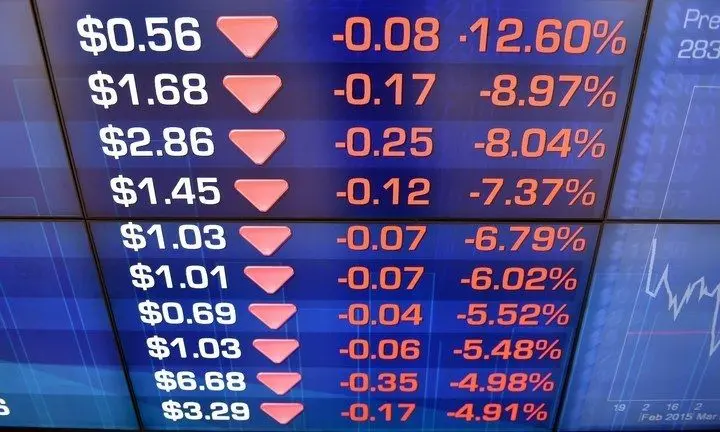
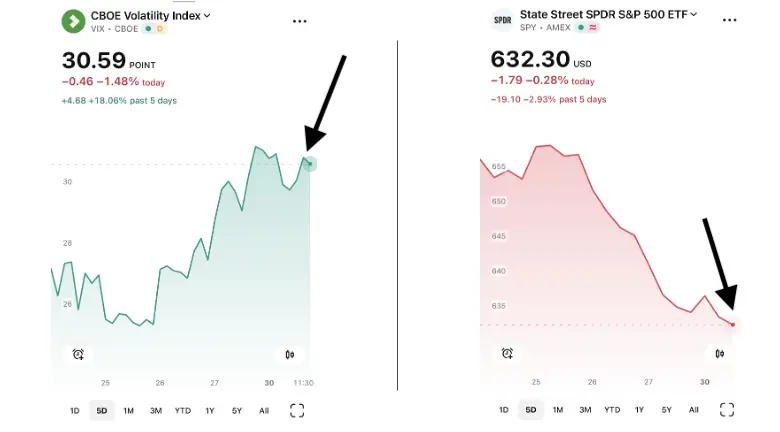
US stock markets experienced a sharp sell-off due to rising geopolitical risks and macroeconomic uncertainties.
In recent trading:
S&P 500: -1.66% (≈ $1 trillion market value wiped out)
Nasdaq: -2.09% (≈ $600 billion loss)
Dow Jones: -1.19% (≈ $300 billion loss)
Russell 2000: -2.53% (≈ $100 billion loss)
👉 In total, over $1.2 trillion in value evaporated in a single day
👉 Indices have returned to July 2025 levels
🔎 Main reasons behind the sell-off
📌 1. Geopolitical risk: Middle East crisis
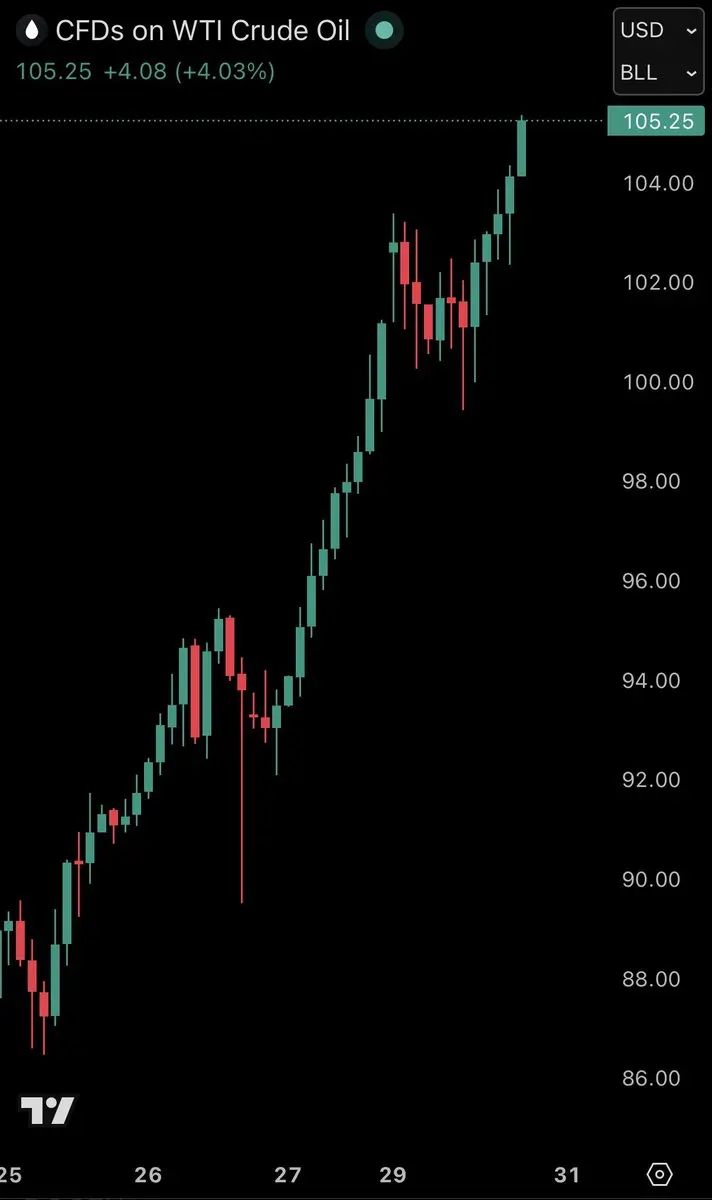
The US-Iran tension and developments around the Strait of Hormuz have significantly reduced risk appetite in the market. The sharp rise in oil prices is pushing inflation expectations upward again.
📌 2. Oil Shock & Inflation Fear
The rise of Brent crude oil to the $110-115 range is historically associated with a recession signal. Energy price shocks have been precursors to almost all US recessions in the past.
📌 3. Sharp Reversal in Interest Rate Expectations
The market has largely stopped pricing in the possibility of an interest rate cut in 2026. This is putting pressure on technology stocks in particular.
📌 4. Technical Breakdown: “Correction” Zone
The Nasdaq and many major indices have technically entered a correction zone, falling more than 10% from their peaks.
📊 What do professional opinions say?
Morgan Stanley: The current decline could be a classic “non-recession correction” and may be nearing its end.
However, analysts point out that the combination of interest rates + oil + geopolitical risks is the most dangerous scenario for the markets.
According to Wells Fargo analysts:
👉 “Market reactions become harsher as uncertainty persists”
⚠️ The big picture: Is this a collapse or a healthy correction?
The current situation is divided into two parts:
Negative scenario:
If oil prices remain high
If the war drags on
If inflation accelerates again
👉 The risk of a global recession may increase
Positive scenario:
If geopolitical tensions decrease
If energy prices normalize
👉 This decline could simply be a strong “reset”
🚨 Critical takeaway
This sell-off could be much more than just a simple pullback:
Markets are experiencing the pains of exiting the cheap money era
Alternatively, this process could also be the foundation of a new uptrend
📌
This sharp decline in US markets is not just a price movement;
👉 it is a direct result of the triangle of geopolitical risk + energy crisis + monetary policy
The only thing that will determine the direction of the markets in the coming period is:
“Will the war end, or will it escalate?”
#MarketsRepriceFedRateHikes
#USIranWarMayEscalateToGroundWar
#CreatorLeaderboard
US stock markets experienced a sharp sell-off due to rising geopolitical risks and macroeconomic uncertainties.
In recent trading:
S&P 500: -1.66% (≈ $1 trillion market value wiped out)
Nasdaq: -2.09% (≈ $600 billion loss)
Dow Jones: -1.19% (≈ $300 billion loss)
Russell 2000: -2.53% (≈ $100 billion loss)
👉 In total, over $1.2 trillion in value evaporated in a single day
👉 Indices have returned to July 2025 levels
🔎 Main reasons behind the sell-off
📌 1. Geopolitical risk: Middle East crisis
The US-Iran tension and developments around the Strait of Hormuz have significantly reduced risk appetite in the market. The sharp rise in oil prices is pushing inflation expectations upward again.
📌 2. Oil Shock & Inflation Fear
The rise of Brent crude oil to the $110-115 range is historically associated with a recession signal. Energy price shocks have been precursors to almost all US recessions in the past.
📌 3. Sharp Reversal in Interest Rate Expectations
The market has largely stopped pricing in the possibility of an interest rate cut in 2026. This is putting pressure on technology stocks in particular.
📌 4. Technical Breakdown: “Correction” Zone
The Nasdaq and many major indices have technically entered a correction zone, falling more than 10% from their peaks.
📊 What do professional opinions say?
Morgan Stanley: The current decline could be a classic “non-recession correction” and may be nearing its end.
However, analysts point out that the combination of interest rates + oil + geopolitical risks is the most dangerous scenario for the markets.
According to Wells Fargo analysts:
👉 “Market reactions become harsher as uncertainty persists”
⚠️ The big picture: Is this a collapse or a healthy correction?
The current situation is divided into two parts:
Negative scenario:
If oil prices remain high
If the war drags on
If inflation accelerates again
👉 The risk of a global recession may increase
Positive scenario:
If geopolitical tensions decrease
If energy prices normalize
👉 This decline could simply be a strong “reset”
🚨 Critical takeaway
This sell-off could be much more than just a simple pullback:
Markets are experiencing the pains of exiting the cheap money era
Alternatively, this process could also be the foundation of a new uptrend
📌
This sharp decline in US markets is not just a price movement;
👉 it is a direct result of the triangle of geopolitical risk + energy crisis + monetary policy
The only thing that will determine the direction of the markets in the coming period is:
“Will the war end, or will it escalate?”
#MarketsRepriceFedRateHikes
#USIranWarMayEscalateToGroundWar
#CreatorLeaderboard