Source: MetaCat
DAO (Decentralized Autonomous Organization) is known as a decentralized autonomous organization, and because of its governance mechanism, decisions are made by the community from the bottom up. Due to the strong decentralized nature of omnichain gaming, community influence is crucial, and in this article, we will take stock of DAOs that are closely associated with omnichain gaming. By the end of this article, you should be able to find the DAOs that have the most popular omnichain games.
Bibliotheca DAO
 Image Credits:
The Bibliotheca DAO, guardians of permissionless gaming environments built on top of the StarkNet (L2 ZK Rollup) blockchain network, first appeared in the Lootverse of the Loot Realms NFT collection. Bibliotheca DAO is a DAO focused on full-chain game development.
Loot Realms NFT holders have the right to participate in governance, run the DAO, and governance tokens may be added to the DAO in the future. The main long-term goal of the current Bibliotheca DAO is to create a scalable, self-sufficient open gaming protocol. The way to successfully achieve this is to ensure funding and information support for proposals that wish to expand and improve Realms’ network. As a result, the team is made up of relevant veterans such as Web3 natives, Cairo developers, AI/ML developers, cutting-edge enablers, front-end stack developers, and more. For more information, you can check out the Biliotheca DAO’s whitepaper (background/bibliothecadao).
Blade DAO
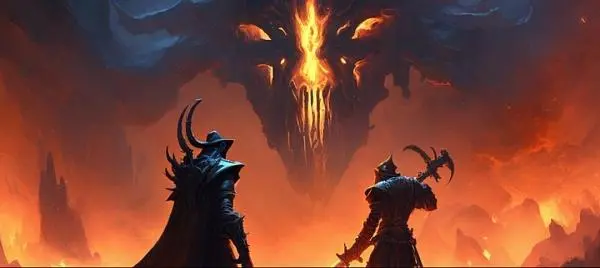 Image Credits:
Blade DAO is another organization that is passionate about omni-chain gaming. It is known for being a full-chain game studio across L2. At present, Blade DAO has developed two full-chain games:
Loot Royale: A battle royale game with integrated Loot NFTs
Dune Factory: A factory tower defense game that uses zkwasm for proven gameplay
Blade DAO also recently partnered with Manta Network to launch an SBT called zkBlade.
After minting BladeDAO’s zkBlade, it can be used in the Manta ecosystem project while ensuring privacy. In addition, it is possible to take advantage of the precious identity that has been cultivated over time, but without revealing the user’s specific wallet address. These are made possible by leveraging Manta’s zk Proof of Innovation key.
Adventure Gold DAO
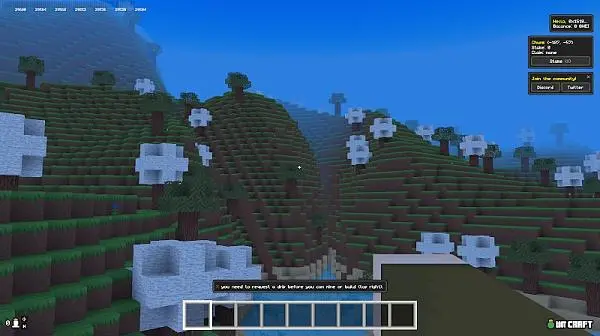 Image Credits:
Adventure Gold DAO is another omni-chain gaming DAO. Their core focus is to continue to build autonomous worlds in the Lootverse.
Lootverse consists of Loot Chain, which is deployed on the Polygon blockchain in combination with OP Stack technology. This will allow Loot Chain to trade for free almost at lightning speed.
With Loot Chain, people have the opportunity to create, customize, and mint unique NFTs. In addition, one can also explore the free mint that other projects are about to offer. The main benefit of Loot Chain is its ownership, which is owned and controlled by the LOOT and AGLD communities, which gives a stronger meaning to the essence of being a DAO for Web3 gaming. In addition, the lower gas fees and their EVM compatibility create a more familiar community environment, especially for Lootverse developers.
Other tools and resources to enhance the DAO’s growth include: visual dashboards, trading markets, game engines, decentralized identity (DIDs), and cross-chain bridges. The developed infrastructure provides limitless opportunities to help the Adventure Gold ecosystem unlock the potential of game design and exploration, enabling developers to come up with fresh game stories in the Lootverse. It’s a collaborative space where developers and players can come together to exchange ideas and push the boundaries of omni-chain gaming.
Finally, remember to enjoy the game console features, which is another attractive option for the Adventure Gold DAO where players can participate in competitive missions.
Matchbox DAO
 Image Credits:
The Matchbox DAO is a true ecosystem that specializes in building infrastructure for omni-chain gaming. But there’s one difference, because the Matchbox DAO infrastructure is also dedicated to esports for developers. This is where the “Clash of the Titans” comes from, which is known as one of the most influential esports tournaments, where the best Web3 gaming companies compete in closed leagues. Live streaming and top commentators with key partners enrich the game. In order to create the best crypto-native gaming experience, the tournament contains a platform that can support full-chain game development.
The MatchBox DAO aspires to be the dominant force in the open omnichain gaming ecosystem, and the most important factor is the creation of the ZK solution. They are building an Infra-as-a-service ZK plug-and-play solution designed for game studios interested in taking advantage of ZKP’s benefits, such as enhanced security, information asymmetry capabilities, and reduced gas fees. The infrastructure solution will be developed in collaboration with ZKP Research, a leading research firm in the Web3 space. Their long-term vision includes token-based, decentralized infrastructure ownership, as they believe this is the best way to drive industry standardization in the omni-chain gaming space.
Matchbox DAO, a full-chain gaming ecosystem based on Starkware, managed to raise $7.5 million in its first funding round in 2022. This investment has helped Matchbox DAO further strengthen the omni-chain gaming developed on StarkNet.
Which DAO will stand at the top of the omni-chain game
As we’ve seen, there’s a lot in common between DAOs and omnichain gaming. For example, the backbone of DAOs and omnichain games is smart contracts. This means that there is a lot of potential for creating a seamless integration and user experience for DAOs in an omni-chain game. However, the key to success in this area is the proper adoption of the appropriate L2. From the examples provided, we can note that each DAO is using its own L2 variant, the core purpose of which is to achieve full decentralization, appropriate scalability, higher TPS, security, privacy, and a full-chain gaming world that brings great benefits to developers and gamers. **
Disclaimer: The information on this page may come from third parties and does not represent the views or opinions of Gate. The content displayed on this page is for reference only and does not constitute any financial, investment, or legal advice. Gate does not guarantee the accuracy or completeness of the information and shall not be liable for any losses arising from the use of this information. Virtual asset investments carry high risks and are subject to significant price volatility. You may lose all of your invested principal. Please fully understand the relevant risks and make prudent decisions based on your own financial situation and risk tolerance. For details, please refer to
Disclaimer.


