Huawei held its flagship Huawei South Africa Connect 2026, bringing together 2,900 leaders from government and industry to examine how AI and intelligent digital infrastructure can help South African organizations adopt AI at scale. The event, themed 'Where Innovation Shapes the Future,' addressed how South Africa can turn its AI ambitions into practical results across public services, energy, finance, telecommunications and education. South Africa is ranked first in Sub-Saharan Africa for AI readiness, positioning the country to leverage its digital foundations for economic growth. Discussions centered on closing the gap between pilot projects and full-scale AI deployment, with Huawei executives and government officials calling for closer partnership to widen access to the digital economy. The event highlighted both the economic opportunity — AI could contribute between R1 trillion and R1.4 trillion to South Africa's economy by the end of the decade — and the infrastructure challenges that remain, including a projected shortfall of 200,000 AI and ICT professionals by 2030.
Solly Malatsi Calls for Government-Industry Partnership on Digital Access
Solly Malatsi, Minister of the Department of Communications and Digital Technologies, opened the event with a call for closer partnership between government and industry to widen access to South Africa's digital economy. He pointed to connectivity and affordable devices as immediate priorities.
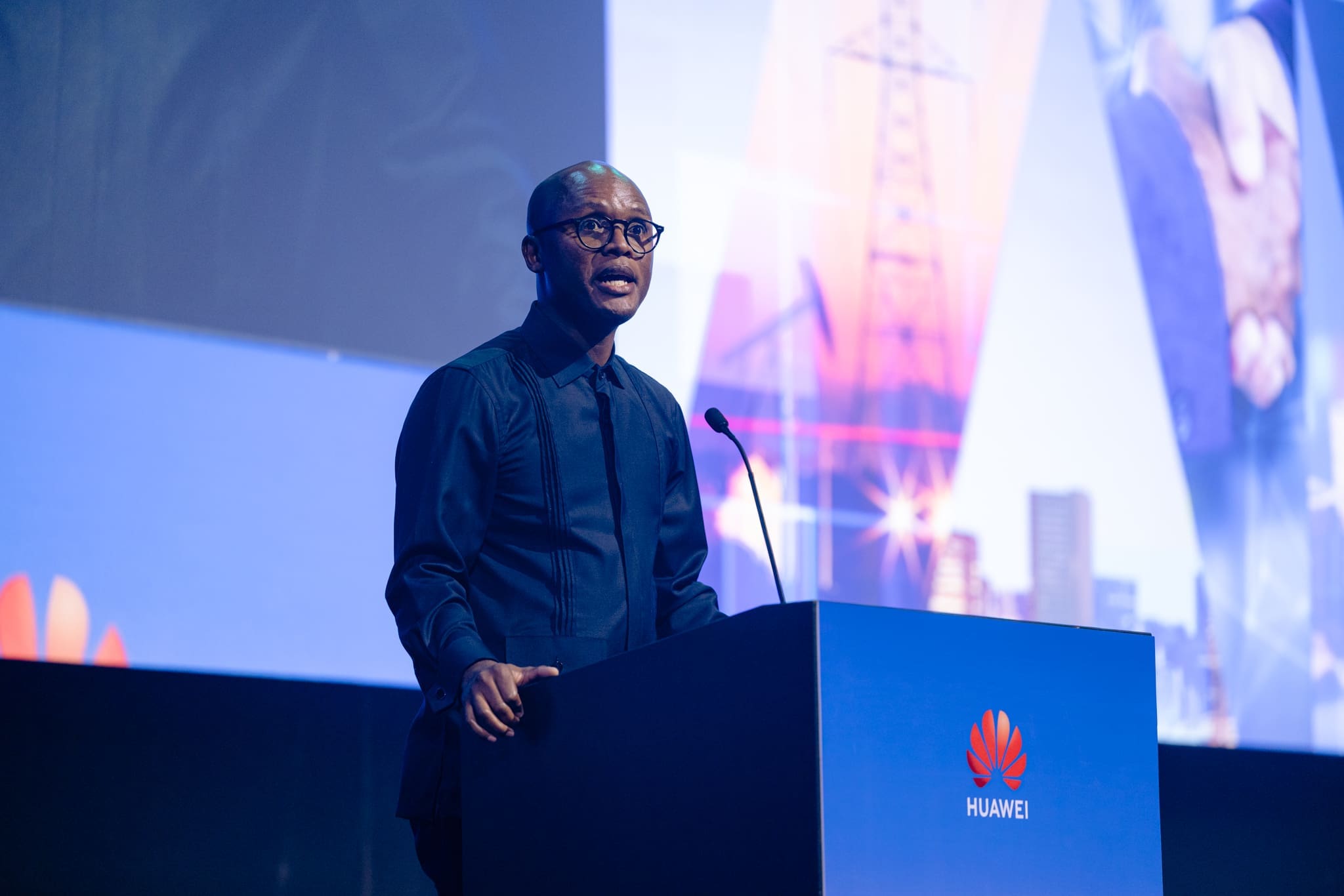
"We have a responsibility to ensure that we don't only view AI as a threat to be feared, nor as a trend to be followed lightly. Instead, we should see it as one of the greatest opportunities of our time to solve some of our most pressing developmental challenges," said Malatsi.
Will Meng Outlines Three-Stage AI Readiness Path
Will Meng, CEO of Huawei South Africa, opened his keynote by reflecting on the World Artificial Intelligence Conference in Shanghai, where South Africa joined as a founding member of the new World AI Cooperation Organisation. He outlined a three-stage path to AI readiness: informatisation builds connectivity, digitalisation puts data to work, and intelligence creates new economic value. Meng cited Huawei's network and grid projects in China as proof the approach is already delivering results.
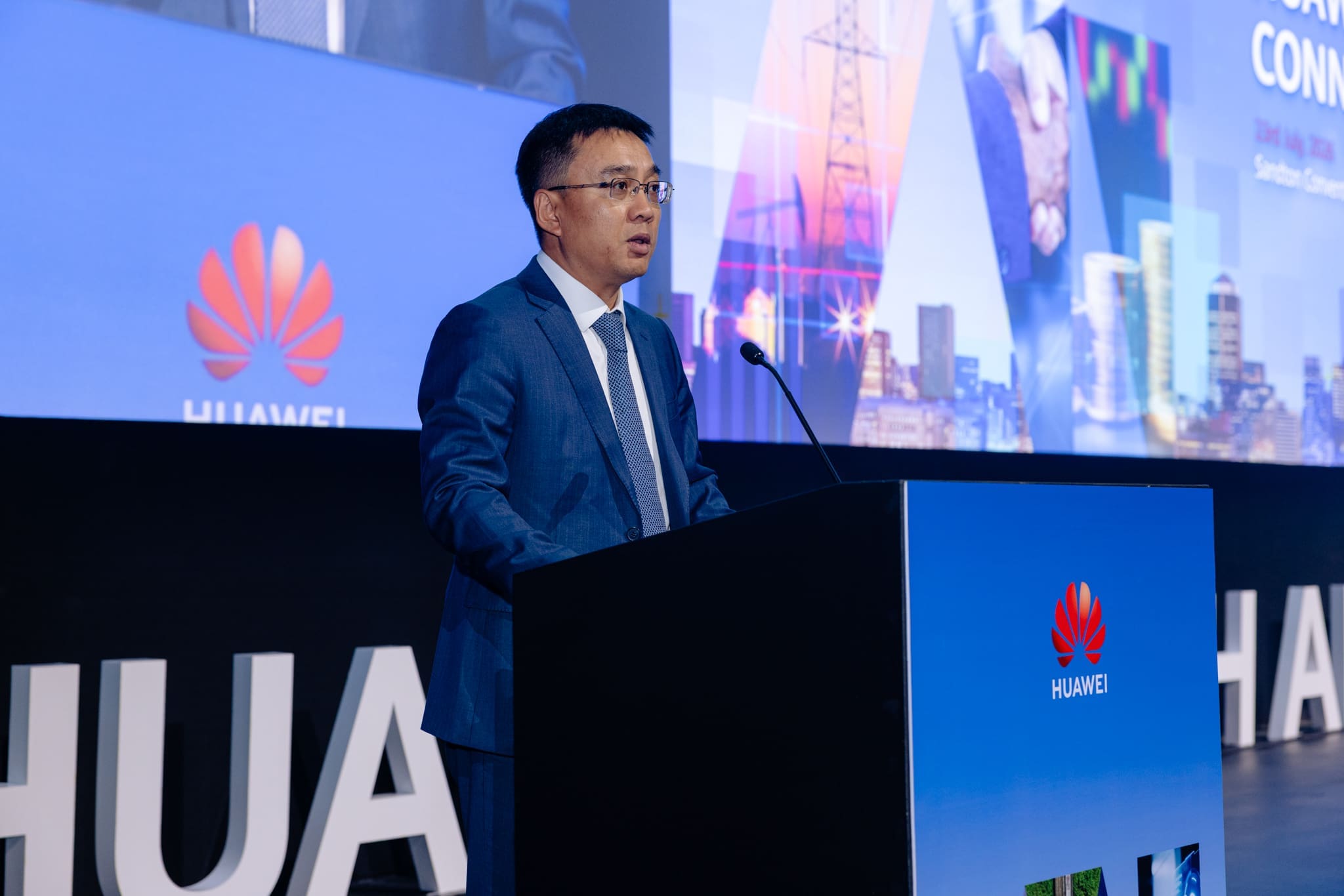
"Large-scale deployment of artificial intelligence cannot be built without solid digital infrastructure. As proven by global practices, developing economies seeking to advance intelligence must gradually shore up foundations including networks, data and industry digitalisation," said Meng.
Huawei Introduces ACT Framework for Enterprise AI Adoption
Nicholas Ma, Corporate Vice President, President Global Gov. and Enterprise Key Account, introduced Huawei's ACT pathway, a framework for taking enterprises from pilot to full-scale AI adoption. ACT assesses high-value scenarios before organizations calibrate AI models on high-quality industry data. Globally, the approach has identified more than 1,000 core production scenarios and built a community of more than four million ecosystem developers.
AI Projected to Contribute R1-R1.4 Trillion to South African Economy
Kui Zheng, Deputy General Manager of Huawei South Africa, said AI could contribute between R1 trillion and R1.4 trillion to South Africa's economy by the end of the decade, and create up to 400,000 new jobs. Zheng said deployments are already under way locally, including a rail security system that has cut cable theft by 80 percent.
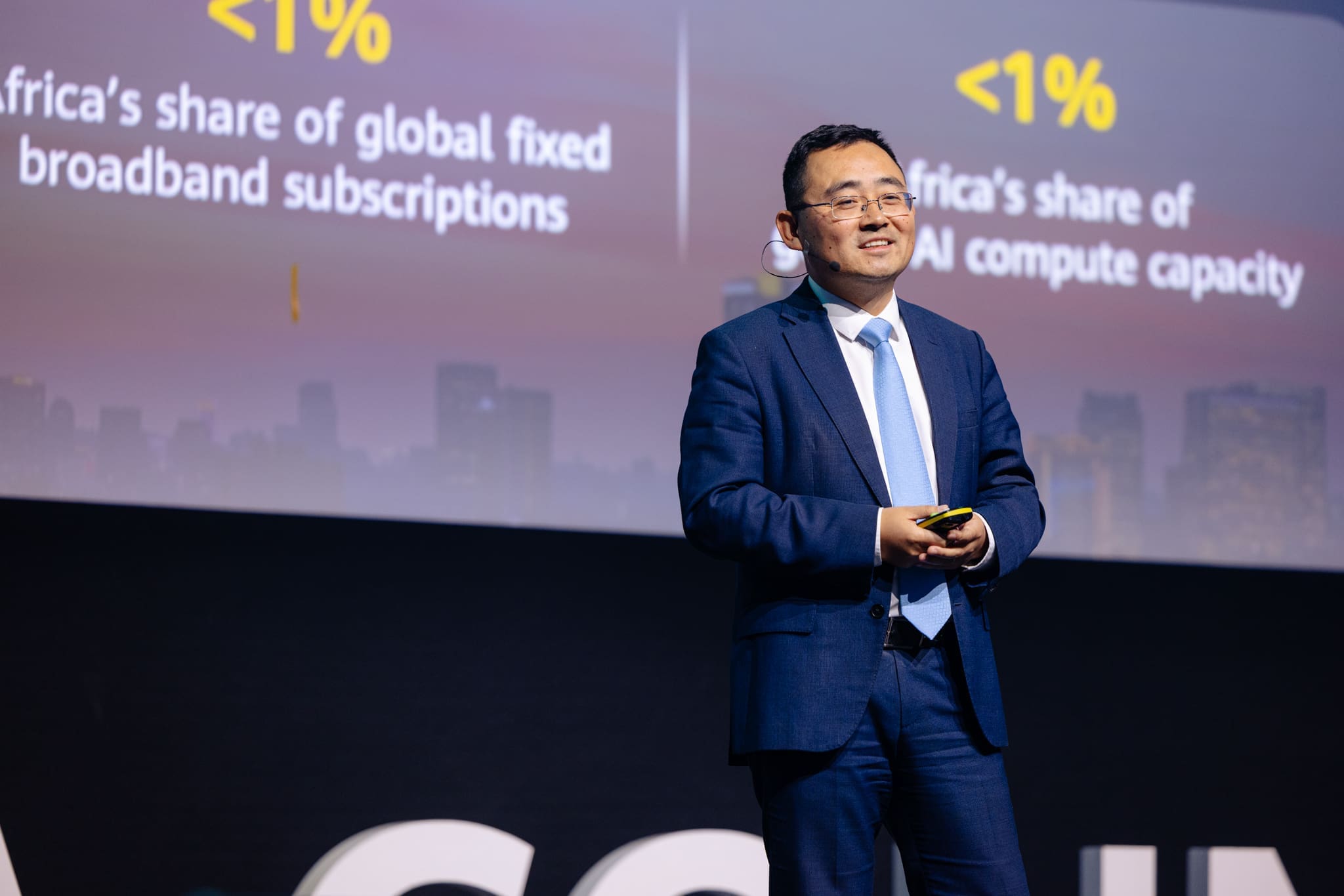
"The future of AI won't be built by one company, even Huawei. We couldn't do that. It will be built by an open ecosystem of partners, developers and customers creating value together," said Zheng.
Zheng highlighted the challenges that still need closing. Fewer than 35 percent of South African enterprises have identified where AI unlocks value in their own data, while the country faces a shortfall of around 200,000 AI and ICT professionals by 2030.
Huawei's Digital Infrastructure Reaches 85 Million Mobile Users
Zheng said addressing both challenges starts with the digital foundations Huawei has already built across the country. The company's network now reaches 85 million mobile users through 28,000 base stations, while Huawei optical solutions connect 3.4 million households to broadband.
For enterprise and government customers, Huawei has deployed more than 800 private campus networks, extending connectivity to over 100 hospitals and more than 3,000 schools. Huawei Cloud operates from three availability zones in South Africa, serving upwards of 300 customers and over 1,000 technology partners.
Huawei's Partner Ecosystem Includes 1,400 South African Companies
Huawei's local partner ecosystem now includes more than 1,400 South African companies, which account for 94.7 percent of its local revenue and more than 90 percent of its delivery and service work. Lucas Xia, Director of Enterprise Partner Development and Management at Huawei Sub-Saharan Africa, said the network is delivering solutions across industries, including a digital twin project with BCX, smart retail with Altron, connected healthcare with Gijima, and secure paperless government with CoCre8.
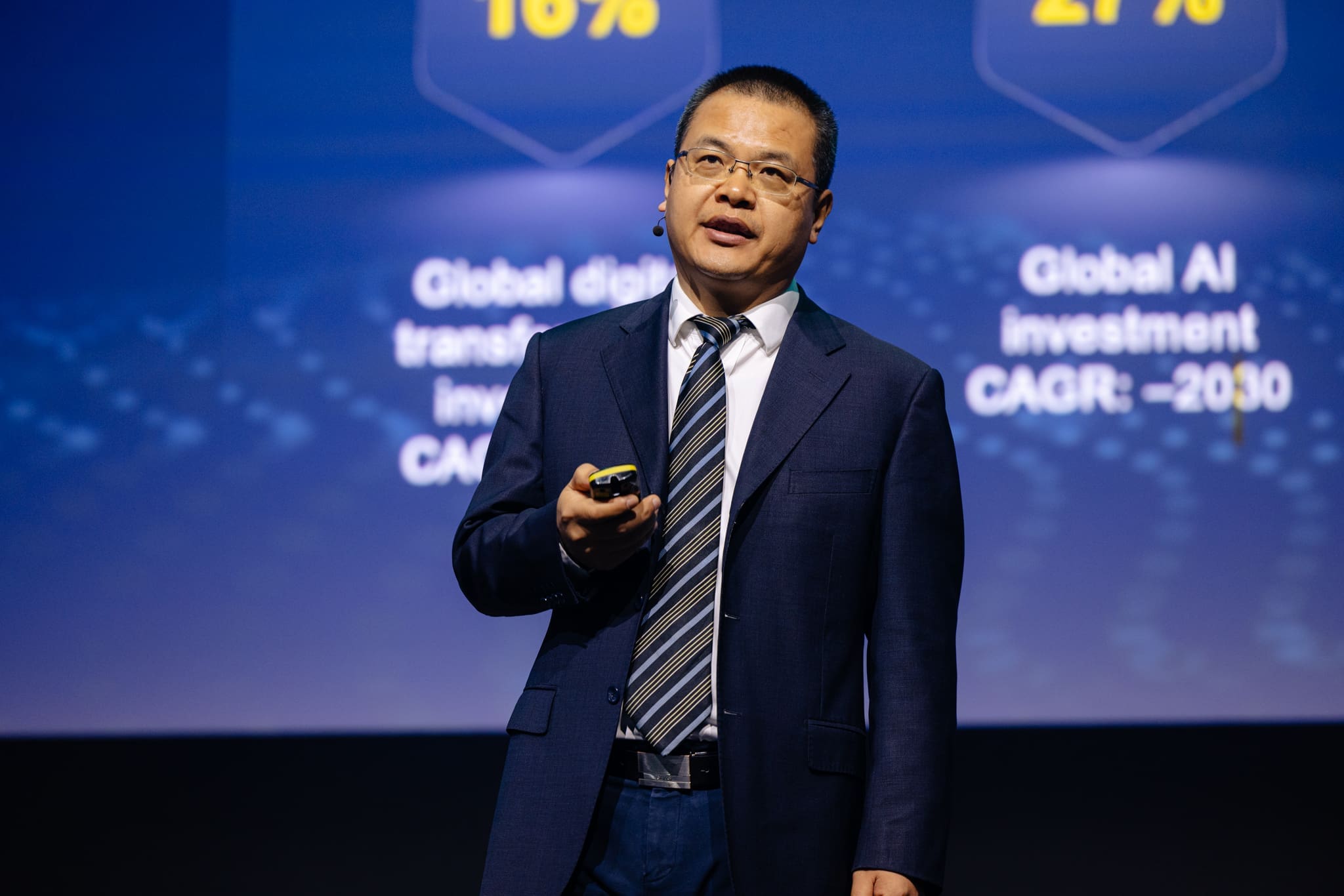
"We have been providing three types of support: innovation, capability and opportunity, to grow together with more than 1,400 partners. Rooted in South Africa, empowering South Africa," said Xia.
Huawei has operated in South Africa for 28 years under the ethos "In South Africa, for South Africa." Over that time, the company has invested in ICT infrastructure to support the country's digital economy. Huawei said it will continue working with customers and partners to deliver industry-focused solutions and strengthen South Africa's digital future.
Huawei and its partners closed the event by jointly launching these solutions, reinforcing their commitment to advancing South Africa's digital ecosystem.
FAQ
What did Huawei South Africa Connect 2026 focus on?
Huawei South Africa Connect 2026 brought together 2,900 leaders from government and industry to examine how AI and intelligent digital infrastructure can help South African organizations adopt AI at scale. Discussions focused on turning South Africa's AI ambitions into practical results across public services, energy, finance, telecommunications and education.
How much could AI contribute to South Africa's economy by the end of the decade?
Kui Zheng, Deputy General Manager of Huawei South Africa, said AI could contribute between R1 trillion and R1.4 trillion to South Africa's economy by the end of the decade, and create up to 400,000 new jobs.
What is Huawei's digital infrastructure footprint in South Africa?
Huawei's network reaches 85 million mobile users through 28,000 base stations, and connects 3.4 million households to broadband. The company has deployed more than 800 private campus networks, extending connectivity to over 100 hospitals and more than 3,000 schools. Huawei Cloud operates from three availability zones in South Africa, serving upwards of 300 customers and over 1,000 technology partners.


