#美国年度净资本流入创8840亿新高 This core data shows that the "siphoning effect" of global capital on U.S. assets has reached an unprecedented intensity, which can be understood from several dimensions:
1. The dollar system remains highly attractive. The massive capital inflows indicate sustained strong confidence among global investors in U.S. stocks, Treasury bonds, and the financial system. April TIC data shows that official sector purchases have doubled since the beginning of the year, and private sector stock purchases hit a record high, indicating that both sovereign funds and private capital are increasing their allocation to U.S. assets.
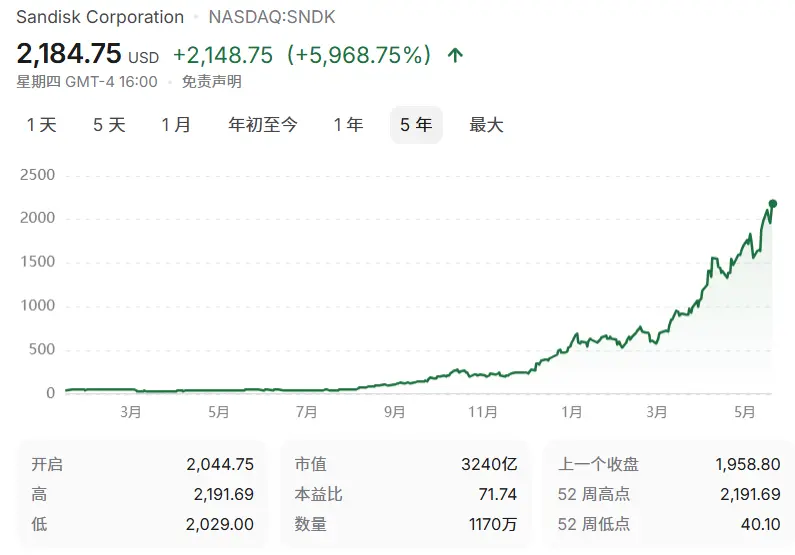
2. Driven by technology and AI narratives. The strong performance of the U.S. stock market (especially AI-related tech stocks) is one of the core factors attracting capital. Global capital chases the "tech dividends" of U.S. stocks, pushing up the scale of net inflows.
3. But it also means that other global markets face capital withdrawal. The massive flow of funds to the U.S. implies that emerging markets such as Europe and Asia may face capital outflow pressure — posing downside risks to their local currency exchange rates and asset prices.
4. Potential "over-concentration" risk. Excessive concentration of capital in a single market, once the U.S. economy or policy shifts (e.g., interest rate changes, geopolitical conflicts), could trigger large-scale repatriation and a global market resonance shock.
Impact on the crypto market: Dual logic
Short-term: The siphoning effect may suppress the crypto market
The huge influx of capital into traditional U.S. stocks and Treasury bonds means that global liquidity has "preferentially chosen" traditional U.S. assets over alternative assets such as crypto. In fact, the IMF's Q1 2026 monitoring report shows that the total market cap of the global crypto market has fallen from a peak of $4.4 trillion in October 2025 to about $2.4 trillion, a decline of over 40%. Recent data also shows that institutional allocation to BTC through ETFs and futures markets has returned to the level of March 2025.
The tendency of capital to "choose stocks over coins" is particularly evident during the peak period of capital inflows.
Medium to long term: The spillover effect may again benefit crypto
Historical patterns show that after U.S. assets continue to absorb global funds, the dollar liquidity environment tends to ease, eventually generating spillover effects:
Dollar liquidity expansion → Risk appetite recovery → Capital spills along the risk curve into the crypto market
Pullback after overvaluation of U.S. stocks → Capital rotation from traditional markets to alternative assets.
Some analyses already expect that a correction in U.S. stocks in the second half of 2026 may drive liquidity back into digital assets, typically following the path of "first BTC, then large-cap altcoins, and finally more speculative assets."
Structural trend: The boundary between traditional and crypto is blurring
Notably, while $884 billion in capital inflows into the U.S., the channels between traditional finance and crypto are also accelerating:
The stablecoin market cap has reached a new historical high of $320 billion, and stablecoin trading volume reached $33 trillion in 2025.
The RWA (on-chain real-world assets) market has hit record highs for 10 consecutive months, reaching $28.9 billion in May, including $16.2 billion in tokenized U.S. Treasury bonds.
Giants such as BlackRock and Citi are building on-chain settlement infrastructure, and traditional capital is migrating on-chain in the form of tokenization.
This means that part of the capital flowing into the U.S. may ultimately operate on-chain in the form of tokenized stocks, tokenized Treasury bonds, etc. — traditional capital inflows and crypto market development are not completely opposing but are converging.
The record $884 billion capital inflow reflects the world's extreme preference for U.S. assets. In the short term, this "siphoning" suppresses the crypto market, with funds prioritizing U.S. stocks over alternative assets like BTC. But in the medium to long term, the spillover effect after liquidity expansion, capital rotation after U.S. stock valuation corrections, and the structural migration of traditional assets to on-chain tokenization could all become catalysts for the crypto market to regain capital injections.
Key observation points: when a significant pullback occurs in U.S. stocks, and whether the growth of stablecoins/RWA can continue to accelerate as a bridge for capital "onboarding" to the chain.
1. The dollar system remains highly attractive. The massive capital inflows indicate sustained strong confidence among global investors in U.S. stocks, Treasury bonds, and the financial system. April TIC data shows that official sector purchases have doubled since the beginning of the year, and private sector stock purchases hit a record high, indicating that both sovereign funds and private capital are increasing their allocation to U.S. assets.
2. Driven by technology and AI narratives. The strong performance of the U.S. stock market (especially AI-related tech stocks) is one of the core factors attracting capital. Global capital chases the "tech dividends" of U.S. stocks, pushing up the scale of net inflows.
3. But it also means that other global markets face capital withdrawal. The massive flow of funds to the U.S. implies that emerging markets such as Europe and Asia may face capital outflow pressure — posing downside risks to their local currency exchange rates and asset prices.
4. Potential "over-concentration" risk. Excessive concentration of capital in a single market, once the U.S. economy or policy shifts (e.g., interest rate changes, geopolitical conflicts), could trigger large-scale repatriation and a global market resonance shock.
Impact on the crypto market: Dual logic
Short-term: The siphoning effect may suppress the crypto market
The huge influx of capital into traditional U.S. stocks and Treasury bonds means that global liquidity has "preferentially chosen" traditional U.S. assets over alternative assets such as crypto. In fact, the IMF's Q1 2026 monitoring report shows that the total market cap of the global crypto market has fallen from a peak of $4.4 trillion in October 2025 to about $2.4 trillion, a decline of over 40%. Recent data also shows that institutional allocation to BTC through ETFs and futures markets has returned to the level of March 2025.
The tendency of capital to "choose stocks over coins" is particularly evident during the peak period of capital inflows.
Medium to long term: The spillover effect may again benefit crypto
Historical patterns show that after U.S. assets continue to absorb global funds, the dollar liquidity environment tends to ease, eventually generating spillover effects:
Dollar liquidity expansion → Risk appetite recovery → Capital spills along the risk curve into the crypto market
Pullback after overvaluation of U.S. stocks → Capital rotation from traditional markets to alternative assets.
Some analyses already expect that a correction in U.S. stocks in the second half of 2026 may drive liquidity back into digital assets, typically following the path of "first BTC, then large-cap altcoins, and finally more speculative assets."
Structural trend: The boundary between traditional and crypto is blurring
Notably, while $884 billion in capital inflows into the U.S., the channels between traditional finance and crypto are also accelerating:
The stablecoin market cap has reached a new historical high of $320 billion, and stablecoin trading volume reached $33 trillion in 2025.
The RWA (on-chain real-world assets) market has hit record highs for 10 consecutive months, reaching $28.9 billion in May, including $16.2 billion in tokenized U.S. Treasury bonds.
Giants such as BlackRock and Citi are building on-chain settlement infrastructure, and traditional capital is migrating on-chain in the form of tokenization.
This means that part of the capital flowing into the U.S. may ultimately operate on-chain in the form of tokenized stocks, tokenized Treasury bonds, etc. — traditional capital inflows and crypto market development are not completely opposing but are converging.
The record $884 billion capital inflow reflects the world's extreme preference for U.S. assets. In the short term, this "siphoning" suppresses the crypto market, with funds prioritizing U.S. stocks over alternative assets like BTC. But in the medium to long term, the spillover effect after liquidity expansion, capital rotation after U.S. stock valuation corrections, and the structural migration of traditional assets to on-chain tokenization could all become catalysts for the crypto market to regain capital injections.
Key observation points: when a significant pullback occurs in U.S. stocks, and whether the growth of stablecoins/RWA can continue to accelerate as a bridge for capital "onboarding" to the chain.