#US-IranTalksStall
محادثات الولايات المتحدة وإيران تتوقف | الانهيار الجيوسياسي وتأثير السوق
دخلت المفاوضات بين الولايات المتحدة وإيران في طريق مسدود كامل، نتيجة للاختلافات الهيكلية، وتصاعد الإجراءات الأمنية، والانقسام السياسي الداخلي على الجانبين. ما كان يُتوقع أن يكون مسارًا دبلوماسيًا هشًا، تحول الآن إلى مواجهة عالية المخاطر مع عواقب اقتصادية عالمية.
لماذا توقفت المحادثات
1. الجمود في تخصيب النووي
في جوهر النزاع هو برنامج تخصيب النووي الإيراني.
تطالب الولايات المتحدة بالإزالة الكاملة أو بحدود صارمة طويلة الأمد.
تصر إيران على الحفاظ على السيادة النووية والاستقلال التشغيلي.
الفصائل المتشددة داخل إيران، خاصة المرتبطة بالحرس الثوري، تعتبر المفاوضات تنازلاً استراتيجيًا يضعف النفوذ الوطني. وقد أدى ذلك إلى خط أحمر سياسي غير قابل للمساومة.
2. الضغط العسكري والحصار البحري
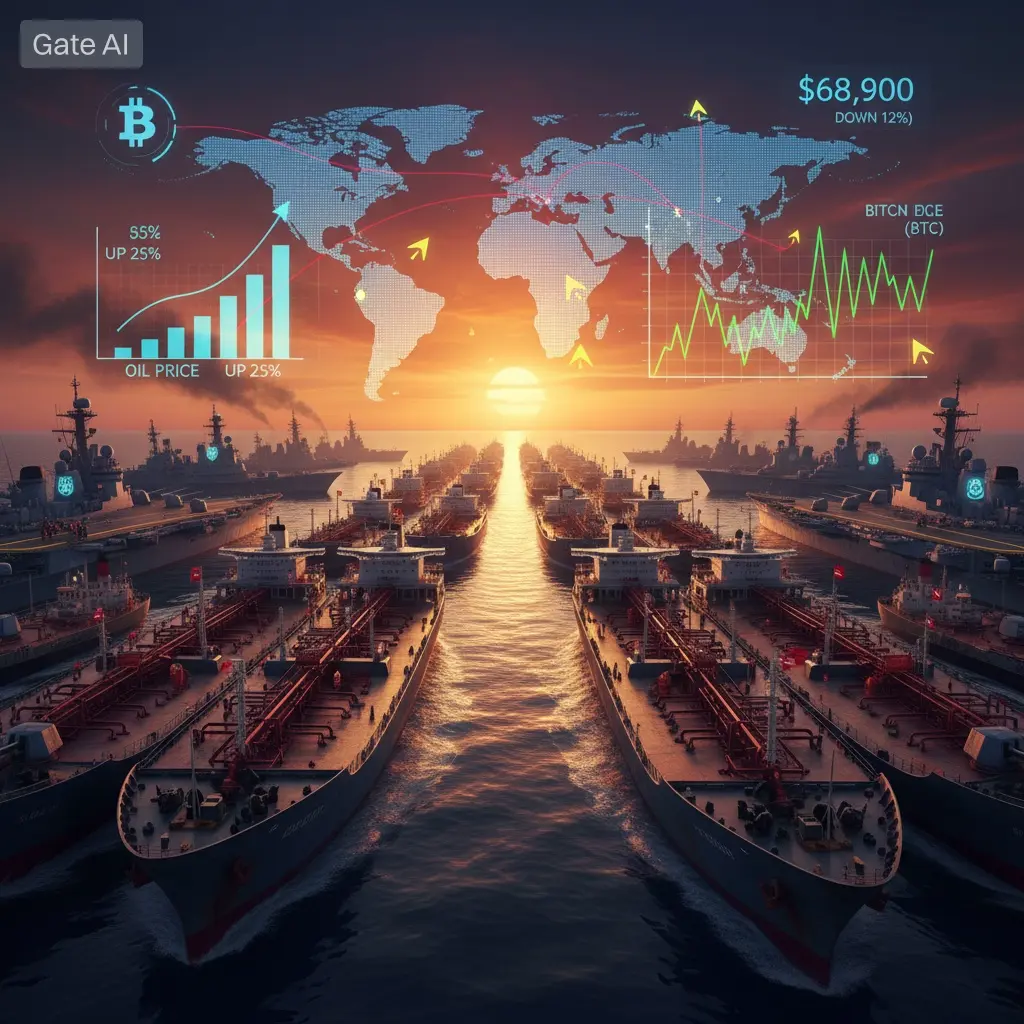
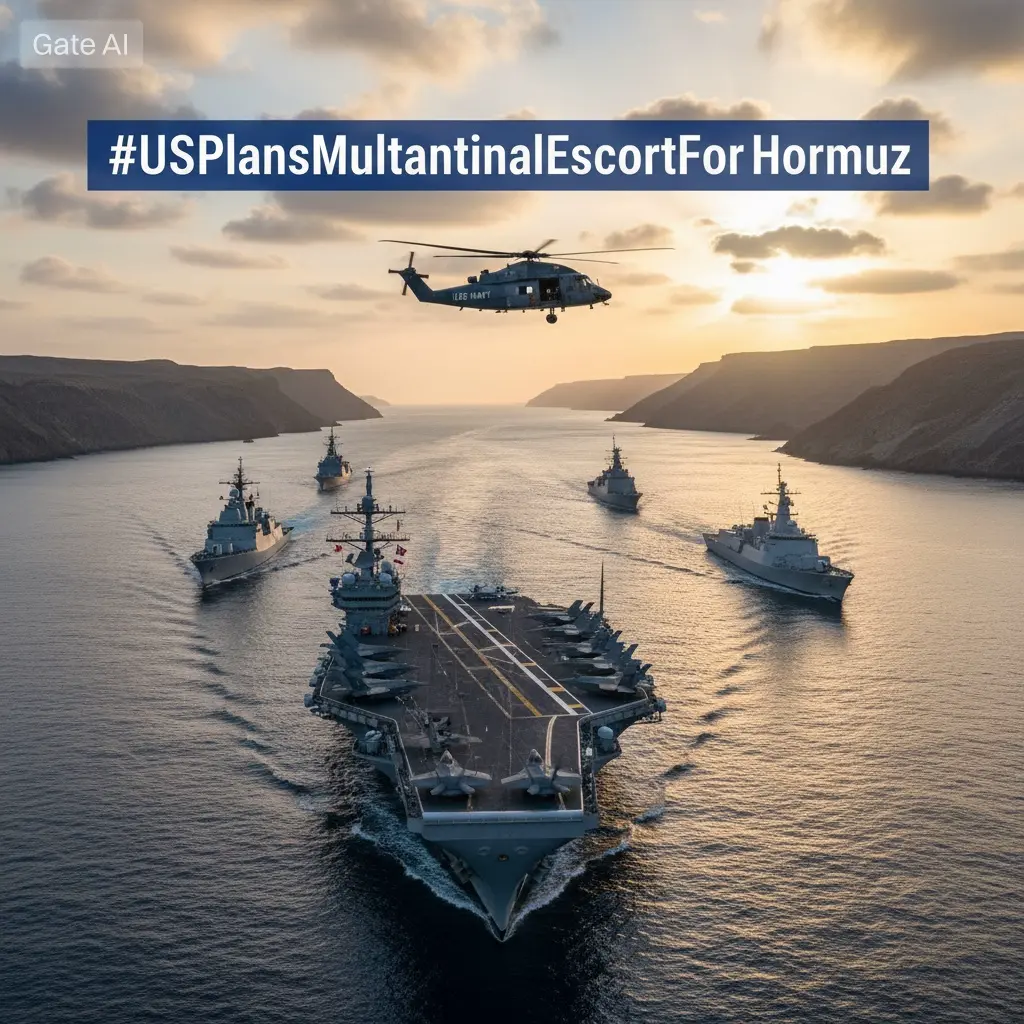
تصاعدت التوترات بشكل حاد بعد أن فرضت الولايات المتحدة حصارًا بحريًا على الموانئ الإيرانية بعد اضطرابات في مضيق هرمز.
تعتبر إيران هذا الإجراء انتهاكًا لشروط وقف إطلاق النار
وتراه الولايات المتحدة كاحتواء استراتيجي وفرض ضغط
والنتيجة تصعيد متبادل بدون مخرج دبلوماسي
مما أدى إلى تجميد زخم التفاوض بشكل فعال.
3. الانقسام الداخلي في السلطة في إيران
الهيكل السياسي الإيراني مقسم حالياً:
المتشددون يعارضون الدبلوماسية تمامًا في الظروف الحالية
الأصوات المرتبطة بالحرس الثوري ترفض أي تنازل عن سيادة هرمز
يُقال إن قيادة السياسة الخارجية ترى أن المفاوضات غير قابلة للحياة تحت قيود القائد الأعلى
هذا الانقسام الداخلي أضعف قدرة إيران على تقديم موقف تفاوضي موحد.
4. انهيار قنوات الوساطة
محاولات الوساطة الخارجية، بما في ذلك الجهود الدبلوماسية الإقليمية، فشلت في إعادة بدء الحوار.
انهارت جولة ثانية من المحادثات قبل الاستمرار الرسمي
انتهت نافذة وقف إطلاق النار
وعادت الأطراف إلى مواقف دفاعية واستعدادية
دخل الوضع في ما يصفه المحللون بـ "لا صفقة، لا حرب" من التوازن.
5. موقف المتشددين الأمريكيين
اتبعت الولايات المتحدة موقفًا غير مرن:
لا تخفيف للعقوبات أو الحصار بدون اتفاق شامل
التصريحات العامة تؤكد على تفوق النفوذ
المرونة الدبلوماسية قد تقلصت بشكل كبير
وقد أدى ذلك إلى جمود هيكلي حيث لا يرغب أي من الطرفين في تقديم تنازلات.
مضيق هرمز: نقطة الضغط الأساسية
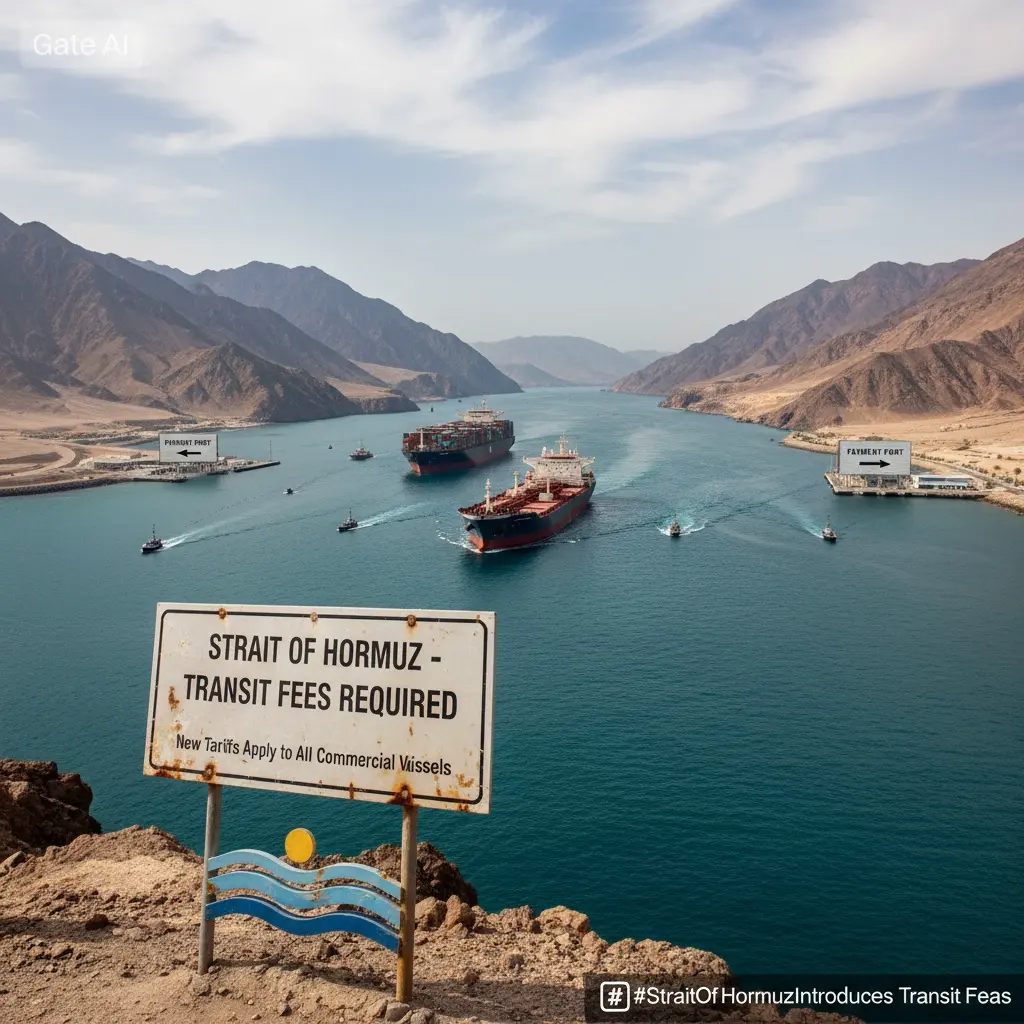
لا يزال مضيق هرمز هو أهم نقطة اختناق جيوسياسية في تدفقات الطاقة العالمية.
حوالي 20% من النفط والغاز الطبيعي المسال العالمي يمر عبره
الظروف الحالية تعكس إغلاقًا جزئيًا ومرورًا محدودًا
وتحتفظ إيران والولايات المتحدة بسرديات متعارضة حول حقوق الوصول
تشير التوقعات السوقية إلى خطر استمرار الاضطراب، مع توقعات بعدم حدوث تطبيع في المدى القريب.
صدمة سوق النفط
مستويات السوق الحالية
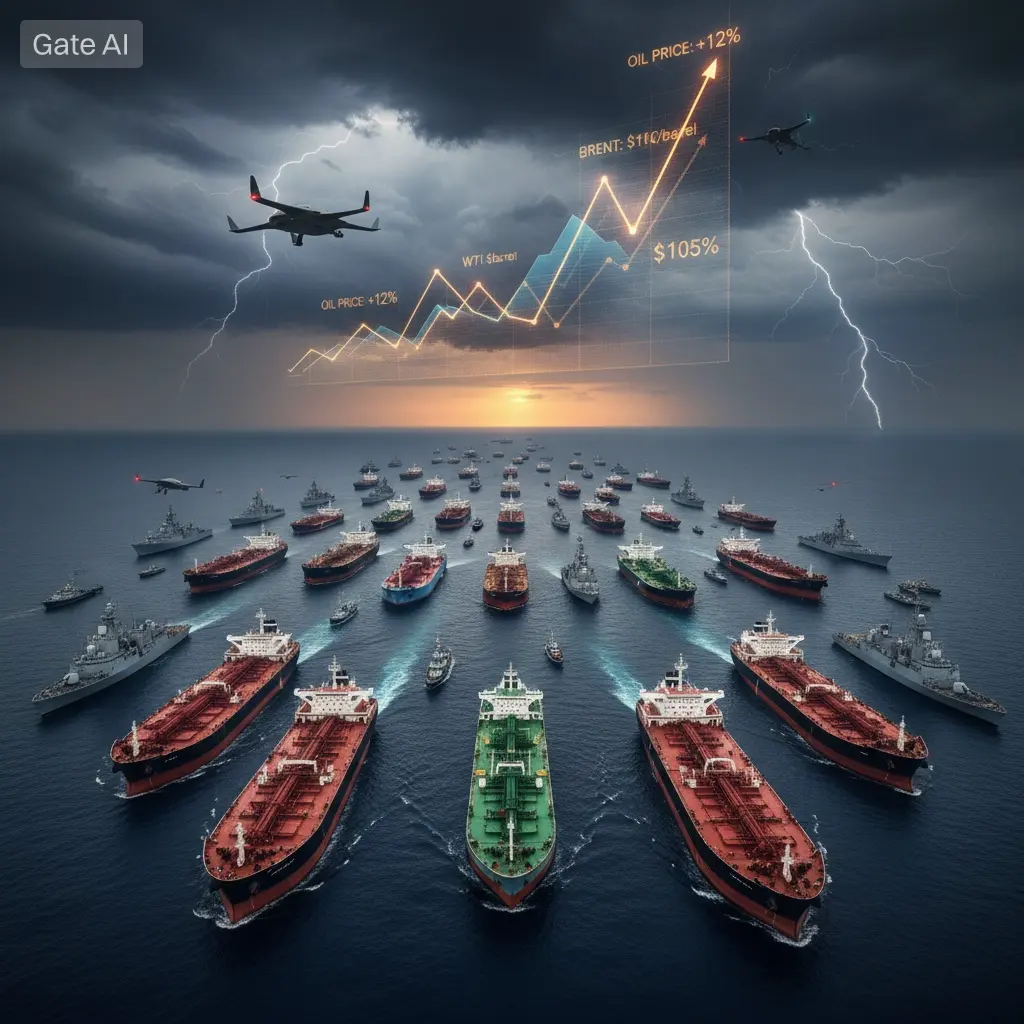
برنت الخام: فوق 104–107 دولارات
غرب تكساس الوسيط: حوالي 101–102 دولار
العوامل الرئيسية
خطر اضطراب الإمدادات بسبب عدم استقرار هرمز
ارتفاع سريع في تكاليف الشحن والنقل العالمية
ضغط التكرير يؤثر على أسواق الديزل ووقود الطائرات
مخاطر جيوسياسية مستمرة مدمجة في التسعير
نطاق التوقعات المؤسساتية
تختلف التوقعات بشكل كبير حسب سيناريوهات التصعيد:
سيناريو ضغط صعودي: ارتفاعات محتملة فوق 110 دولار+
توقعات التطبيع الأساسية: في نطاق 80-100 دولار مع مرور الوقت
حالة حل هبوطي: العودة نحو 60 دولار في دورة 2026–2027
يعكس التباين عدم اليقين الشديد حول استقرار الملاحة البحرية.
رد فعل سوق البيتكوين
الموقف الحالي
بيتكوين: حوالي 77,500 دولار
الاتجاه قصير الأمد: متقلب لكنه مستقر نسبيًا
الأداء الشهري: زخم انتعاش قوي رغم المخاطر الكلية
الديناميكيات الرئيسية للسوق
1. الارتباط الكلي المرتبط بالنفط
أظهر البيتكوين رد فعل متأخر على صدمات النفط:
أولًا ارتفاعات النفط
ثم تعديل الأصول عالية المخاطر، بما في ذلك العملات المشفرة
2. المقاومة النسبية
مقارنة بالأسهم والسلع، كان رد فعل البيتكوين أقل حدة، مما يشير إلى تسعير جزئي للمخاطر الجيوسياسية.
3. الدعم المؤسسي
تدفقات ETF قوية مستمرة عبر منتجات البيتكوين الفورية في الولايات المتحدة
تراكم كبير من قبل اللاعبين المؤسساتيين يعزز الطلب الهيكلي
امتصاص السيولة يعمل كقوة استقرار
4. معنويات السوق
لا تزال المعنويات في منطقة الخوف
لكن الموقف الأساسي يظهر اعتقادًا صعوديًا مستمرًا
المناطق الفنية الرئيسية $70s BTC$90
الدعم: 73,000 – 74,000 دولار
المقاومة: 78,000 – 80,000 دولار
تمديد الاختراق: فوق 80,000 دولار نحو مناطق سيولة أعلى
خطر الانهيار: تحت 73,000 دولار يفتح سيناريو تصحيح أعمق
الآثار الاستراتيجية للسوق
إذا بقي النفط فوق $70
زيادة ضغط التضخم
سلوك تجنبي للمخاطر عبر الأسهم والعملات المشفرة
من المحتمل أن يعيد البيتكوين اختبار مناطق دعم أدنى
إذا استؤنفت التقدمات الدبلوماسية
توقع تصحيح سريع للنفط
انتعاش قوي للأصول عالية المخاطر
يستعيد البيتكوين زخم الصعود نحو نطاق 80 ألف دولار وما فوق
إطار التداول والمخاطر
الموقف المحافظ
تقليل التعرض خلال تقلبات العناوين الرئيسية
الحفاظ على احتياطيات نقدية لفرص الدخول
إعطاء الأولوية للحفاظ على رأس المال على حساب الرافعة المالية العدوانية
التحوط من مخاطر الهبوط عبر استراتيجيات حماية منظمة
الموقف العدواني
تداول ضمن نطاق بين مستويات الدعم والمقاومة الرئيسية
لا يُعتبر النفط مؤشرًا رئيسيًا لاتجاه المخاطر الكلي إلا بعد تأكيد الاختراق
المؤشرات الرئيسية لمراقبتها
1. اتجاه سعر النفط (المؤشر الرئيسي)
2. قوة تدفقات ETF في أسواق البيتكوين
3. قوة الدولار $110
تأثير اتجاه DXY على الأصول عالية المخاطر(
4. عناوين دبلوماسية حول هرمز أو المفاوضات النووية
5. مؤشرات ضغط سوق الشحن والنقل
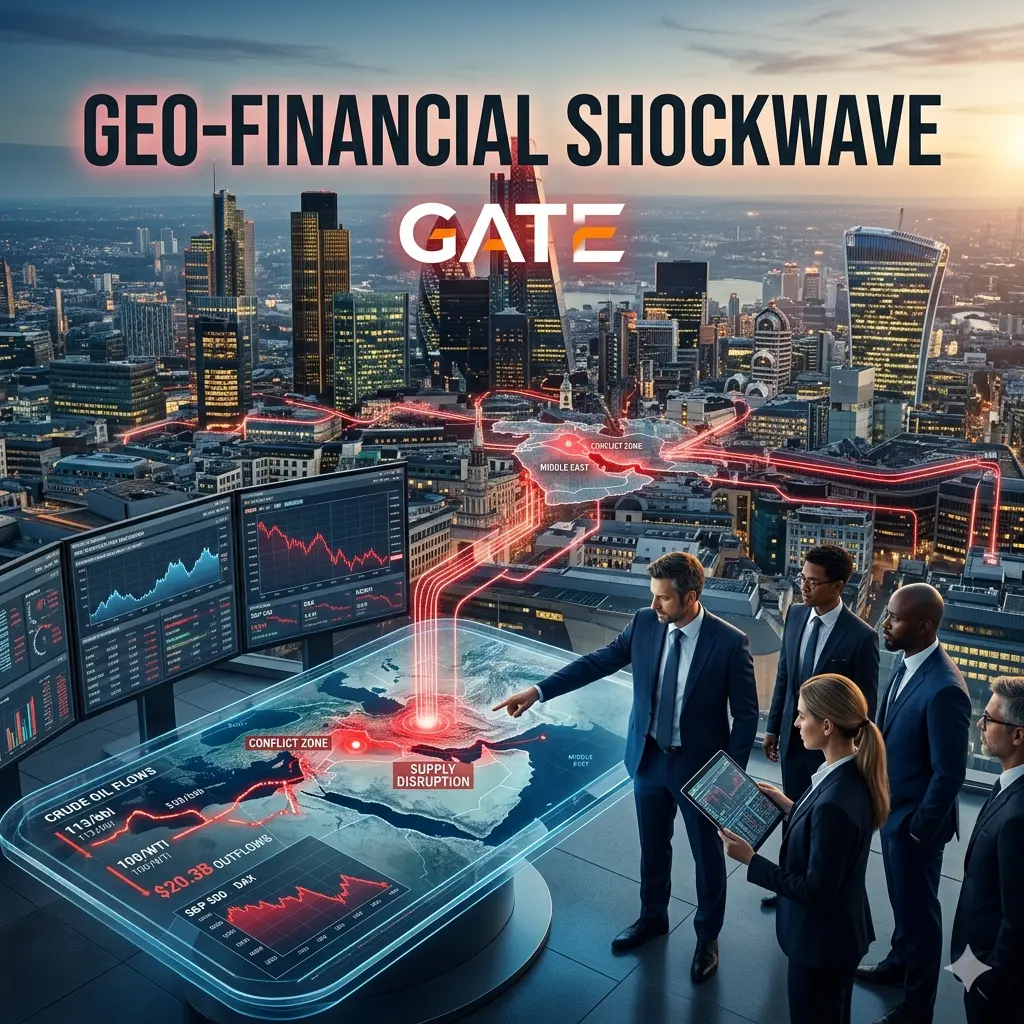
انتقلت المواجهة بين الولايات المتحدة وإيران من توتر دبلوماسي إلى حدث مخاطر جيوسياسية هيكلي مع انتقال مباشر إلى الاقتصاد الكلي.
لا يزال مضيق هرمز هو نقطة الضغط المركزية
أسواق النفط تسعر خطر الاضطراب المستدام
البيتكوين يوازن بين التدفقات المؤسسية وعدم اليقين الكلي
لا تزال الأسواق العالمية في مرحلة رد فعل، تعتمد على العناوين
حتى يظهر حل واضح، ستظل التقلبات مرتفعة، مع النفط كمؤشر رئيسي لاتجاه المخاطر الأوسع.
محادثات الولايات المتحدة وإيران تتوقف | الانهيار الجيوسياسي وتأثير السوق
دخلت المفاوضات بين الولايات المتحدة وإيران في طريق مسدود كامل، نتيجة للاختلافات الهيكلية، وتصاعد الإجراءات الأمنية، والانقسام السياسي الداخلي على الجانبين. ما كان يُتوقع أن يكون مسارًا دبلوماسيًا هشًا، تحول الآن إلى مواجهة عالية المخاطر مع عواقب اقتصادية عالمية.
لماذا توقفت المحادثات
1. الجمود في تخصيب النووي
في جوهر النزاع هو برنامج تخصيب النووي الإيراني.
تطالب الولايات المتحدة بالإزالة الكاملة أو بحدود صارمة طويلة الأمد.
تصر إيران على الحفاظ على السيادة النووية والاستقلال التشغيلي.
الفصائل المتشددة داخل إيران، خاصة المرتبطة بالحرس الثوري، تعتبر المفاوضات تنازلاً استراتيجيًا يضعف النفوذ الوطني. وقد أدى ذلك إلى خط أحمر سياسي غير قابل للمساومة.
2. الضغط العسكري والحصار البحري
تصاعدت التوترات بشكل حاد بعد أن فرضت الولايات المتحدة حصارًا بحريًا على الموانئ الإيرانية بعد اضطرابات في مضيق هرمز.
تعتبر إيران هذا الإجراء انتهاكًا لشروط وقف إطلاق النار
وتراه الولايات المتحدة كاحتواء استراتيجي وفرض ضغط
والنتيجة تصعيد متبادل بدون مخرج دبلوماسي
مما أدى إلى تجميد زخم التفاوض بشكل فعال.
3. الانقسام الداخلي في السلطة في إيران
الهيكل السياسي الإيراني مقسم حالياً:
المتشددون يعارضون الدبلوماسية تمامًا في الظروف الحالية
الأصوات المرتبطة بالحرس الثوري ترفض أي تنازل عن سيادة هرمز
يُقال إن قيادة السياسة الخارجية ترى أن المفاوضات غير قابلة للحياة تحت قيود القائد الأعلى
هذا الانقسام الداخلي أضعف قدرة إيران على تقديم موقف تفاوضي موحد.
4. انهيار قنوات الوساطة
محاولات الوساطة الخارجية، بما في ذلك الجهود الدبلوماسية الإقليمية، فشلت في إعادة بدء الحوار.
انهارت جولة ثانية من المحادثات قبل الاستمرار الرسمي
انتهت نافذة وقف إطلاق النار
وعادت الأطراف إلى مواقف دفاعية واستعدادية
دخل الوضع في ما يصفه المحللون بـ "لا صفقة، لا حرب" من التوازن.
5. موقف المتشددين الأمريكيين
اتبعت الولايات المتحدة موقفًا غير مرن:
لا تخفيف للعقوبات أو الحصار بدون اتفاق شامل
التصريحات العامة تؤكد على تفوق النفوذ
المرونة الدبلوماسية قد تقلصت بشكل كبير
وقد أدى ذلك إلى جمود هيكلي حيث لا يرغب أي من الطرفين في تقديم تنازلات.
مضيق هرمز: نقطة الضغط الأساسية
لا يزال مضيق هرمز هو أهم نقطة اختناق جيوسياسية في تدفقات الطاقة العالمية.
حوالي 20% من النفط والغاز الطبيعي المسال العالمي يمر عبره
الظروف الحالية تعكس إغلاقًا جزئيًا ومرورًا محدودًا
وتحتفظ إيران والولايات المتحدة بسرديات متعارضة حول حقوق الوصول
تشير التوقعات السوقية إلى خطر استمرار الاضطراب، مع توقعات بعدم حدوث تطبيع في المدى القريب.
صدمة سوق النفط
مستويات السوق الحالية
برنت الخام: فوق 104–107 دولارات
غرب تكساس الوسيط: حوالي 101–102 دولار
العوامل الرئيسية
خطر اضطراب الإمدادات بسبب عدم استقرار هرمز
ارتفاع سريع في تكاليف الشحن والنقل العالمية
ضغط التكرير يؤثر على أسواق الديزل ووقود الطائرات
مخاطر جيوسياسية مستمرة مدمجة في التسعير
نطاق التوقعات المؤسساتية
تختلف التوقعات بشكل كبير حسب سيناريوهات التصعيد:
سيناريو ضغط صعودي: ارتفاعات محتملة فوق 110 دولار+
توقعات التطبيع الأساسية: في نطاق 80-100 دولار مع مرور الوقت
حالة حل هبوطي: العودة نحو 60 دولار في دورة 2026–2027
يعكس التباين عدم اليقين الشديد حول استقرار الملاحة البحرية.
رد فعل سوق البيتكوين
الموقف الحالي
بيتكوين: حوالي 77,500 دولار
الاتجاه قصير الأمد: متقلب لكنه مستقر نسبيًا
الأداء الشهري: زخم انتعاش قوي رغم المخاطر الكلية
الديناميكيات الرئيسية للسوق
1. الارتباط الكلي المرتبط بالنفط
أظهر البيتكوين رد فعل متأخر على صدمات النفط:
أولًا ارتفاعات النفط
ثم تعديل الأصول عالية المخاطر، بما في ذلك العملات المشفرة
2. المقاومة النسبية
مقارنة بالأسهم والسلع، كان رد فعل البيتكوين أقل حدة، مما يشير إلى تسعير جزئي للمخاطر الجيوسياسية.
3. الدعم المؤسسي
تدفقات ETF قوية مستمرة عبر منتجات البيتكوين الفورية في الولايات المتحدة
تراكم كبير من قبل اللاعبين المؤسساتيين يعزز الطلب الهيكلي
امتصاص السيولة يعمل كقوة استقرار
4. معنويات السوق
لا تزال المعنويات في منطقة الخوف
لكن الموقف الأساسي يظهر اعتقادًا صعوديًا مستمرًا
المناطق الفنية الرئيسية $70s BTC$90
الدعم: 73,000 – 74,000 دولار
المقاومة: 78,000 – 80,000 دولار
تمديد الاختراق: فوق 80,000 دولار نحو مناطق سيولة أعلى
خطر الانهيار: تحت 73,000 دولار يفتح سيناريو تصحيح أعمق
الآثار الاستراتيجية للسوق
إذا بقي النفط فوق $70
زيادة ضغط التضخم
سلوك تجنبي للمخاطر عبر الأسهم والعملات المشفرة
من المحتمل أن يعيد البيتكوين اختبار مناطق دعم أدنى
إذا استؤنفت التقدمات الدبلوماسية
توقع تصحيح سريع للنفط
انتعاش قوي للأصول عالية المخاطر
يستعيد البيتكوين زخم الصعود نحو نطاق 80 ألف دولار وما فوق
إطار التداول والمخاطر
الموقف المحافظ
تقليل التعرض خلال تقلبات العناوين الرئيسية
الحفاظ على احتياطيات نقدية لفرص الدخول
إعطاء الأولوية للحفاظ على رأس المال على حساب الرافعة المالية العدوانية
التحوط من مخاطر الهبوط عبر استراتيجيات حماية منظمة
الموقف العدواني
تداول ضمن نطاق بين مستويات الدعم والمقاومة الرئيسية
لا يُعتبر النفط مؤشرًا رئيسيًا لاتجاه المخاطر الكلي إلا بعد تأكيد الاختراق
المؤشرات الرئيسية لمراقبتها
1. اتجاه سعر النفط (المؤشر الرئيسي)
2. قوة تدفقات ETF في أسواق البيتكوين
3. قوة الدولار $110
تأثير اتجاه DXY على الأصول عالية المخاطر(
4. عناوين دبلوماسية حول هرمز أو المفاوضات النووية
5. مؤشرات ضغط سوق الشحن والنقل
انتقلت المواجهة بين الولايات المتحدة وإيران من توتر دبلوماسي إلى حدث مخاطر جيوسياسية هيكلي مع انتقال مباشر إلى الاقتصاد الكلي.
لا يزال مضيق هرمز هو نقطة الضغط المركزية
أسواق النفط تسعر خطر الاضطراب المستدام
البيتكوين يوازن بين التدفقات المؤسسية وعدم اليقين الكلي
لا تزال الأسواق العالمية في مرحلة رد فعل، تعتمد على العناوين
حتى يظهر حل واضح، ستظل التقلبات مرتفعة، مع النفط كمؤشر رئيسي لاتجاه المخاطر الأوسع.