10 Leading Altcoins: Technology, Applications, and Market Overview
Polkadot (DOT)
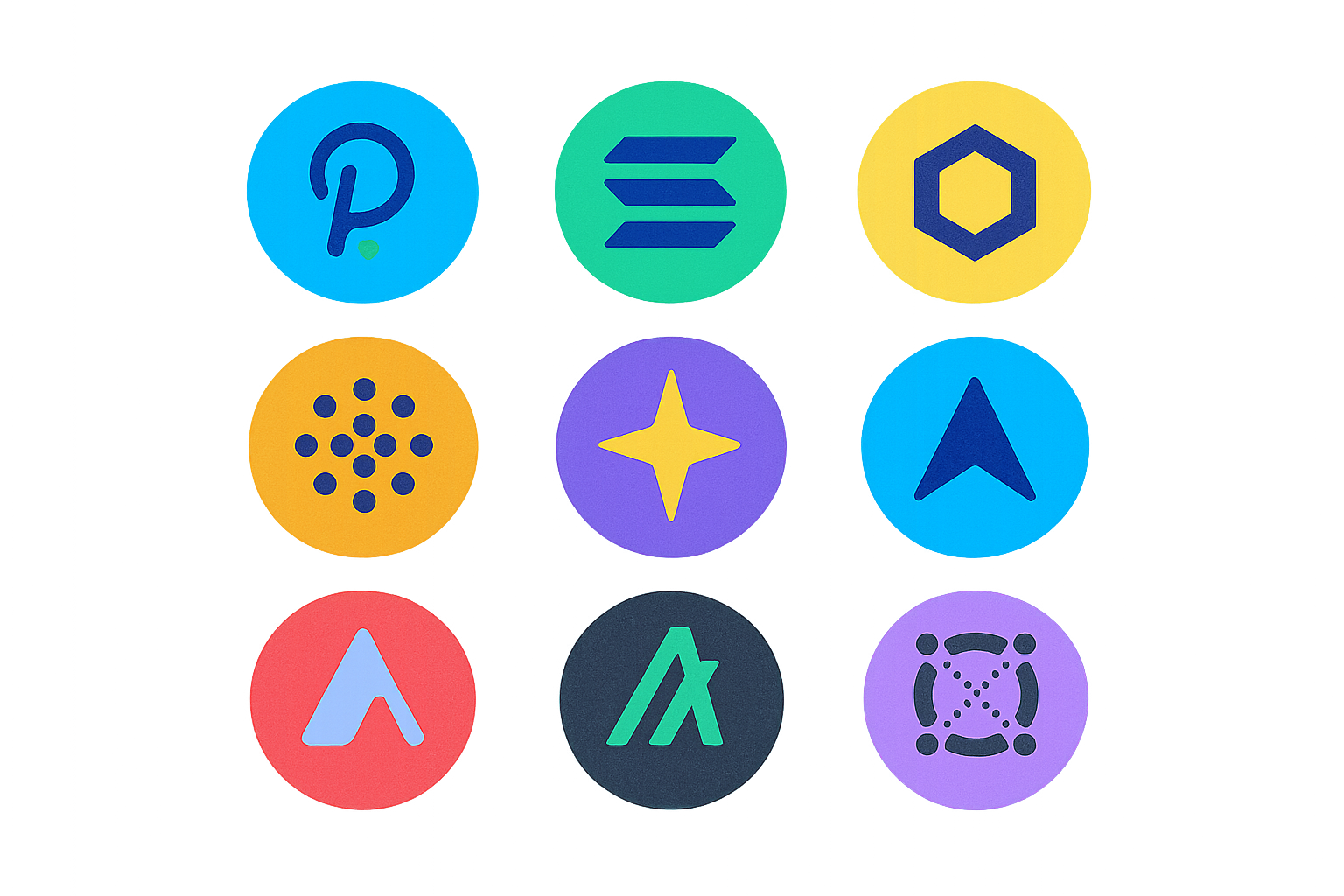
Polkadot stands as a pioneer in blockchain interoperability, enabling seamless communication and data transfer across multiple blockchain networks. The platform's architecture is built on a relay chain model that coordinates various parachains, allowing independent blockchains to maintain their sovereignty while participating in a unified ecosystem. With decentralized governance mechanisms and innovative scalability solutions, Polkadot is instrumental in shaping the infrastructure for Web3 adoption. The network's multi-chain approach addresses one of blockchain's fundamental challenges: enabling different protocols to work together efficiently and securely.
Solana (SOL)
Solana has revolutionized blockchain performance by delivering exceptional speed and efficiency in decentralized finance (DeFi) and non-fungible token (NFT) ecosystems. The platform utilizes a unique Proof of History (PoH) consensus mechanism combined with Proof of Stake, enabling transaction throughput far exceeding traditional blockchain networks. Ultra-low transaction fees and lightning-fast settlement times make Solana particularly attractive for high-frequency applications and user-centric services. Its growing ecosystem of decentralized applications, strategic partnerships with major Web3 projects, and position as a preferred platform for emerging blockchain innovations position it as a significant contender in the competitive blockchain landscape.
Chainlink (LINK)
Chainlink operates as the leading decentralized oracle network, solving a critical problem in blockchain technology: securely connecting smart contracts to real-world data and external systems. Oracles are essential infrastructure components that enable blockchain applications to access off-chain information while maintaining the security and trustlessness properties of distributed systems. Chainlink's robust architecture, extensive network of node operators, and proven track record in handling billions of dollars in transaction value have established it as the industry standard for oracle services. Its critical role in enabling DeFi protocols, insurance platforms, and enterprise blockchain applications ensures sustained demand and network growth.
Cardano (ADA)
Cardano distinguishes itself through its foundation in rigorous academic research and peer-reviewed development processes. The platform emphasizes sustainability through an environmentally friendly Proof of Stake consensus mechanism, significantly reducing energy consumption compared to Proof of Work systems. Cardano's commitment to decentralized governance, where stakeholders participate in protocol decisions through voting mechanisms, reflects its philosophy of community-driven development. The blockchain's focus on scalability, security, and sustainability creates a comprehensive approach to addressing blockchain limitations. Its methodical development approach and emphasis on formal verification provide a foundation for institutional adoption and long-term viability.
Cosmos (ATOM)
Cosmos is advancing blockchain interoperability through its innovative "Internet of Blockchains" vision, enabling different blockchain networks to communicate and exchange value seamlessly. The Cosmos SDK (Software Development Kit) provides developers with modular tools to build custom blockchains tailored to specific applications, fostering a diverse ecosystem of specialized networks. The platform's robust architecture, supported by an active developer community, powers numerous DeFi ecosystems and cross-chain applications. Cosmos' approach to interoperability complements other solutions in the space, contributing to a more connected and efficient blockchain landscape where applications can leverage multiple networks' strengths.
Avalanche (AVAX)
Avalanche delivers Ethereum-level functionality while achieving superior performance through faster transaction speeds and significantly lower fees. The platform's innovative consensus mechanism and subnet architecture enable horizontal scaling, allowing new blockchains to be created and integrated into the Avalanche ecosystem. Its thriving developer community has created a diverse range of applications spanning DeFi, NFTs, enterprise solutions, and gaming. The combination of high throughput, low latency, and a user-friendly development environment has attracted substantial ecosystem growth and institutional interest in Avalanche's infrastructure.
VeChain (VET)
VeChain has established itself as a pioneer in applying blockchain technology to real-world supply chain management and enterprise applications. The platform provides transparent, immutable tracking of products from manufacture through distribution, enabling businesses to verify authenticity, track provenance, and optimize logistics operations. VeChain's partnerships with major enterprises across industries such as automotive, luxury goods, and pharmaceuticals demonstrate the practical value of blockchain-based supply chain solutions. The platform's focus on real-world utility and enterprise adoption positions it distinctly within the blockchain ecosystem, addressing tangible business needs rather than purely speculative use cases.
Algorand (ALGO)
Algorand represents a comprehensive approach to solving blockchain's core challenges of scalability, security, and decentralization simultaneously. The platform's innovative consensus mechanism achieves high transaction throughput while maintaining strong security guarantees and true decentralization. Algorand's technical architecture supports diverse applications including DeFi protocols, NFT platforms, and institutional-grade solutions. The network's focus on developer experience, combined with its technical capabilities, has fostered growing adoption among projects seeking a reliable and efficient blockchain infrastructure.
Elrond (EGLD)
Elrond delivers unparalleled scalability and efficiency through its adaptive state sharding technology, which dynamically adjusts network resources based on demand. The platform's approach to sharding enables linear scalability, meaning transaction capacity increases proportionally with network growth. Elrond's vibrant ecosystem includes numerous DeFi applications, NFT platforms, and enterprise solutions. The combination of exceptional performance metrics, developer-friendly tools, and community engagement has positioned Elrond as a strong candidate for widespread adoption in applications requiring high throughput and low latency.
Tezos (XTZ)
Tezos introduces a self-upgrading blockchain architecture that eliminates the need for disruptive hard forks, enabling continuous innovation without network disruption or community fragmentation. The platform's on-chain governance mechanism allows token holders to participate directly in protocol evolution decisions. Tezos' focus on formal verification and security has attracted institutional interest, particularly in regulated industries where code correctness and auditability are paramount. The platform's unique approach to protocol governance and its emphasis on institutional-grade applications distinguish it within the broader blockchain ecosystem.
Investment Strategy Considerations
When evaluating blockchain projects and altcoins, several strategic principles merit consideration:
Portfolio Diversification - Spreading capital across multiple promising blockchain projects with different technological approaches and use cases can help balance risk exposure while capturing opportunities across the broader ecosystem.
Continuous Learning - Staying informed about blockchain technology developments, regulatory changes, market trends, and project updates enables more informed decision-making and strategy refinement.
Strategic Planning - Establishing clear investment objectives, understanding entry and exit criteria, and implementing risk management approaches such as position sizing and stop-loss strategies can help optimize outcomes.
Community Engagement - Active participation in project communities, technical discussions, and ecosystem events provides valuable insights into project development, adoption trends, and emerging opportunities.
Long-Term Perspective - Blockchain technology adoption is an evolving process. Understanding that market volatility is inherent to emerging technologies and maintaining a long-term investment horizon can help navigate short-term fluctuations and capture sustained growth trends.
FAQ
What are Altcoins and how do they differ from Bitcoin?
Altcoins are cryptocurrencies other than Bitcoin. They aim to improve Bitcoin's features through technological innovation. While Bitcoin has a longer history and larger market share, altcoins often offer faster transactions, smart contracts, or alternative consensus mechanisms, making them more volatile but potentially higher growth opportunities.
Top 10 Altcoins by Market Capitalization Currently
As of 2026, the top 10 altcoins by market cap are Ethereum, Binance Coin, Solana, USD Coin, Ripple, Tether, Cardano, TRON, Chainlink, and Polkadot. These projects lead in trading volume and technological adoption across blockchain ecosystems.
What are the advantages and application scenarios of Ethereum's smart contract functionality?
Ethereum's smart contracts enable decentralized finance (DeFi), decentralized autonomous organizations (DAO), and NFT creation. Their flexibility and scalability unlock diverse decentralized applications with programmable, trustless execution.
What are the advantages of Layer 2 solutions like Solana and Polygon compared to Ethereum?
Layer 2 solutions offer significantly lower transaction fees and faster transaction speeds than Ethereum. They enhance scalability and efficiency while maintaining Ethereum compatibility, enabling cost-effective decentralized applications and superior user experience.
DeFi and NFT project tokens: what are their characteristics and risks?
DeFi and NFT tokens feature decentralization and high volatility. Characteristics include accessibility and innovative mechanics, but risks include smart contract vulnerabilities, market manipulation, liquidity risks, and potential fraud. Token value fluctuates significantly based on protocol performance and market sentiment.
How to evaluate an Altcoin project's technical strength and prospects?
Assess technical strength by monitoring GitHub code update frequency, developer activity, and community engagement on Twitter and Telegram. Evaluate prospects through whitepaper quality, use case viability, partnership announcements, and market adoption metrics.
What risks and security issues should be noted when buying and trading Altcoins?
Altcoin trading carries significant risks including market volatility, fraud, and hacking threats. Secure your private keys, use cold wallets, verify project legitimacy, and avoid suspicious links. Only trade on reputable platforms with strong security measures.
Why is the price volatility of Altcoins greater than Bitcoin?
Altcoins have smaller market capitalizations and lower trading volumes than Bitcoin, making them more susceptible to significant price swings from large trades. Additionally, reduced liquidity in altcoin markets amplifies volatility compared to Bitcoin's more established market structure.
Share
Content
How to Buy Cryptocurrency


Trending Cryptocurrencies



Sei Network 2025 Development Status and Investment Opportunity Analysis

Analysis of the Development Status and Investment Opportunities of the SEI Ecosystem in 2025
Altseason 2025: Web3 Altcoin Boom and DeFi Opportunities

Bulla Token 2025 Investment Guide: Price, Purchase, and Web3 Ecosystem Role Analysis

Top Penny Crypto to Buy in 2025: Low-Cost Coins With Big Potential
2025 ASTR Price Prediction: Analyzing Growth Trends and Market Potential for Astar Network's Token
LUMIA Coin: Illuminating the Future of Digital Assets

What is CREAM Finance?
BTC (Bitcoin)
Top Meme Coins in the Cryptocurrency Market

Asymmetric encryption