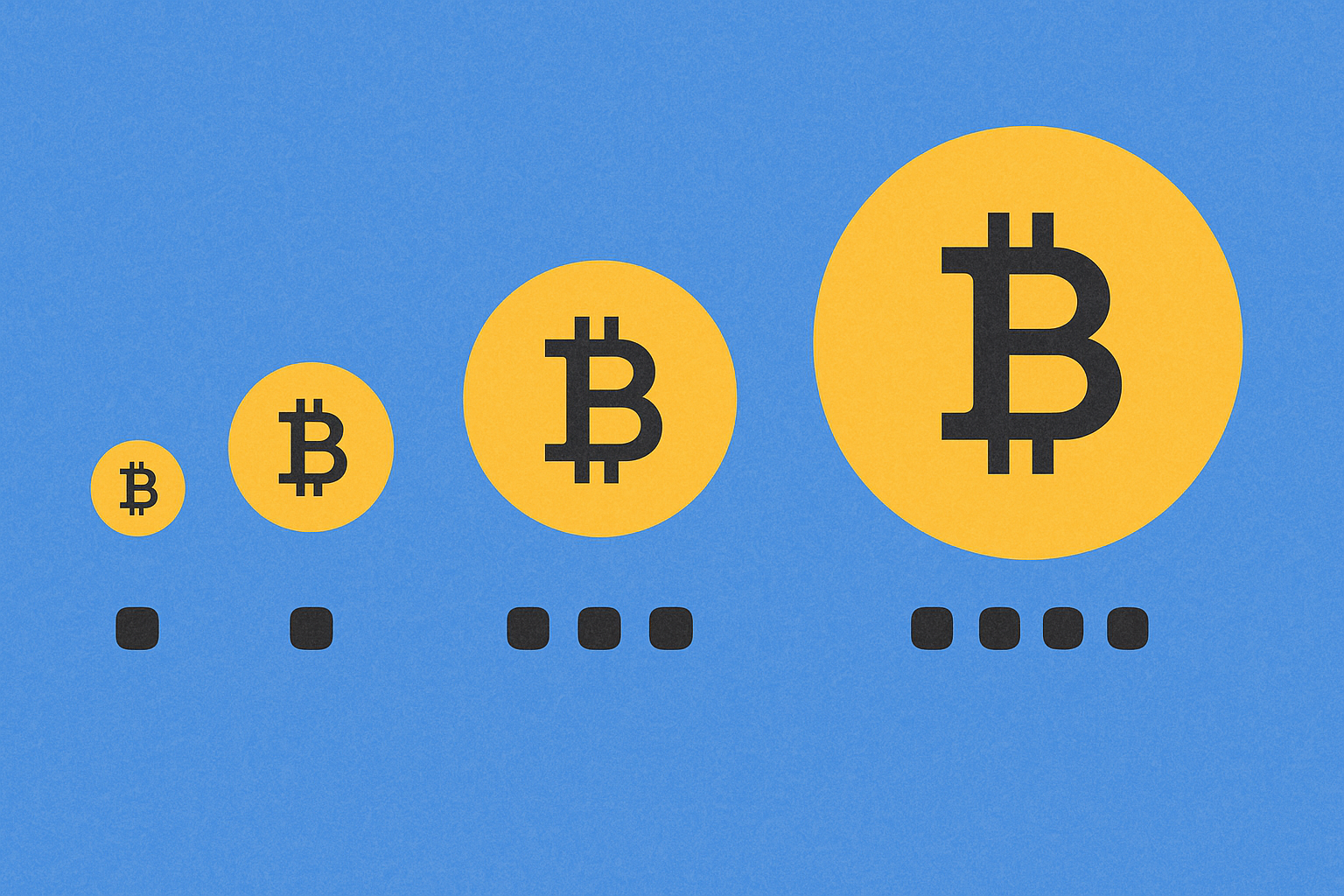
"The Evolution of Bitcoin's Price Since 2009" examines Bitcoin's transformation from a novel digital currency to a global financial asset, highlighting key price milestones and volatility. The article addresses the significance of early investments, offering insights into Bitcoin's market dynamics. Structured chronologically, it covers Bitcoin's value evolution from 2009 to recent years, emphasizing wealth creation potential for early adopters. This analysis suits investors and cryptocurrency enthusiasts keen on understanding Bitcoin's historical performance and its implications for future trends. Keywords: Bitcoin, cryptocurrency, price history, early investors, Gate.
Bitcoin Price History: Evolution from 2009 to Present
Bitcoin has undergone a remarkable transformation since its inception, evolving from an experimental digital currency to a global financial asset. Throughout its history, Bitcoin has reached significant price milestones, reflecting years of volatile growth and investor interest. Understanding how Bitcoin's price has changed from its early days in 2009 to the present provides crucial insights into cryptocurrency market dynamics and the potential returns for early adopters, particularly regarding questions about Bitcoin's valuation in its foundational years.
Bitcoin's Value in 2009
Bitcoin's journey began when Satoshi Nakamoto introduced the technical whitepaper in 2008, with the actual network launching in January 2009. However, cryptocurrency trading did not commence until late that year with the establishment of the first peer-to-peer exchange platforms.
The first recorded Bitcoin transaction occurred on October 5, 2009, marking the birth of price discovery in the cryptocurrency market. On this historic date, sellers requested 1,309.03 BTC for just $1, which translates to approximately $0.00764 per Bitcoin. This represents the earliest market price data preserved by cryptocurrency community records, answering the fundamental question of quanto vale 1 Bitcoin nel 2009—the answer being less than one penny.
The implications of this early pricing are staggering for early investors. An individual who purchased 10 BTC at the launch of trading in 2009 and held through subsequent market cycles would have realized substantial gains over the years, demonstrating the extraordinary wealth creation potential of Bitcoin from its inception.
Bitcoin's Evolution Between 2010 and 2015
The 2010-2015 period witnessed Bitcoin's first major price cycles, characterized by both explosive growth and significant corrections. By December 31, 2010, Bitcoin had appreciated to $0.30 per unit, followed by a climb to $4.25 by the end of 2011. This early phase demonstrated growing market confidence in the digital currency.
The year 2012 proved to be a significant milestone, with Bitcoin's price increasing from $4.25 in January to $13.51 by December, representing substantial annual gains. This momentum accelerated dramatically in 2013, which became a record year for cryptocurrency. Bitcoin skyrocketed from $13.51 to $751 during that year. This period captured the attention of mainstream investors and marked Bitcoin's transition from niche technology to recognized asset.
However, 2014 brought a significant correction, with Bitcoin's price experiencing a notable decline, demonstrating the volatility inherent in cryptocurrency markets. The market stabilized in 2015 with recovery gains.
Investors who purchased Bitcoin during this period would have achieved substantial returns by current valuations, illustrating the long-term wealth creation potential stemming from those early 2009 valuations of less than a penny per coin.
Bitcoin's Development Between 2016 and 2020
The 2016-2020 period established Bitcoin as an increasingly mainstream financial asset, though not without significant volatility. In 2016, Bitcoin's price more than doubled, demonstrating renewed investor confidence. The momentum continued through 2017 and 2018, which witnessed both extraordinary growth periods and substantial corrections that tested the conviction of long-term holders.
Recovery and stabilization occurred in 2019, establishing a foundation for significant growth in 2020. The year 2020 proved transformational, with Bitcoin surging substantially, driven by institutional adoption and macroeconomic factors. An investor who purchased Bitcoin on January 1, 2020, would have accumulated considerable gains by subsequent valuations.
The 2021-2023 period demonstrated Bitcoin's continued ability to generate significant returns while experiencing dramatic cyclical swings. In 2021, Bitcoin surged notably with a local peak near $69,000, indicating strong institutional and retail interest in the asset class.
The year 2022 presented a challenging environment for cryptocurrency markets, with Bitcoin experiencing a sharp correction reflecting broader market dynamics and regulatory considerations. This period tested investor resilience and risk tolerance.
Recovery accelerated in 2023, with Bitcoin climbing substantially, representing an impressive annual recovery. This rebound renewed investor confidence and positioned Bitcoin for continued appreciation.
An investor who purchased Bitcoin at the start of each year during this period would have generated substantial returns by subsequent prices.
Bitcoin's Development Through Late 2024 and Beyond
As 2024 progressed, Bitcoin continued its upward trajectory through the year. The cryptocurrency demonstrated sustained investor demand and growing institutional participation in Bitcoin markets. This continued growth reflects the long-term trend that began with those historic 2009 valuations of under one penny.
An investor who purchased Bitcoin early in 2024 would have generated significant gains over the course of the year, assuming they maintained their positions through market fluctuations. This remarkable performance within cyclical periods underscores Bitcoin's continued volatility and wealth creation potential for long-term investors.
Conclusion
Bitcoin's price evolution from $0.00764 in October 2009 to substantially higher valuations in subsequent years represents one of the most extraordinary financial transformations in modern history. Early adopters who maintained their positions through multiple market cycles have realized extraordinary returns, particularly those who recognized the significance of Bitcoin when it was valued at less than a penny per coin. The cryptocurrency has demonstrated resilience through various market corrections, regulatory challenges, and macroeconomic headwinds, establishing itself as a significant asset class. While future price movements remain uncertain, Bitcoin's historical performance illustrates the importance of long-term perspective and conviction in emerging technologies that gain widespread adoption and institutional acceptance.
FAQ
How much was 1 Bitcoin in 2009?
In 2009, 1 Bitcoin was worth approximately $0.0025. Bitcoin had minimal market value in its early days, but has since experienced exponential growth to become a major digital asset.
How much was 1 Bitcoin in 2008?
Bitcoin did not exist in 2008. The Bitcoin network was launched in January 2009, and the first transaction occurred in January 2009. Therefore, there was no Bitcoin price in 2008.
How much is $1 Bitcoin worth in 2010?
In 2010, Bitcoin traded between $0.003 to $0.30. One dollar could purchase hundreds of bitcoins at the year's beginning, making early investments extraordinarily valuable by today's standards.
What if I invested $20 in Bitcoin in 2009?
A $20 investment in Bitcoin in 2009 would be worth millions today. You could have purchased over 20,000 BTC then. As of 2025, that amount would exceed $10 million, demonstrating Bitcoin's extraordinary long-term appreciation.
* The information is not intended to be and does not constitute financial advice or any other recommendation of any sort offered or endorsed by Gate.