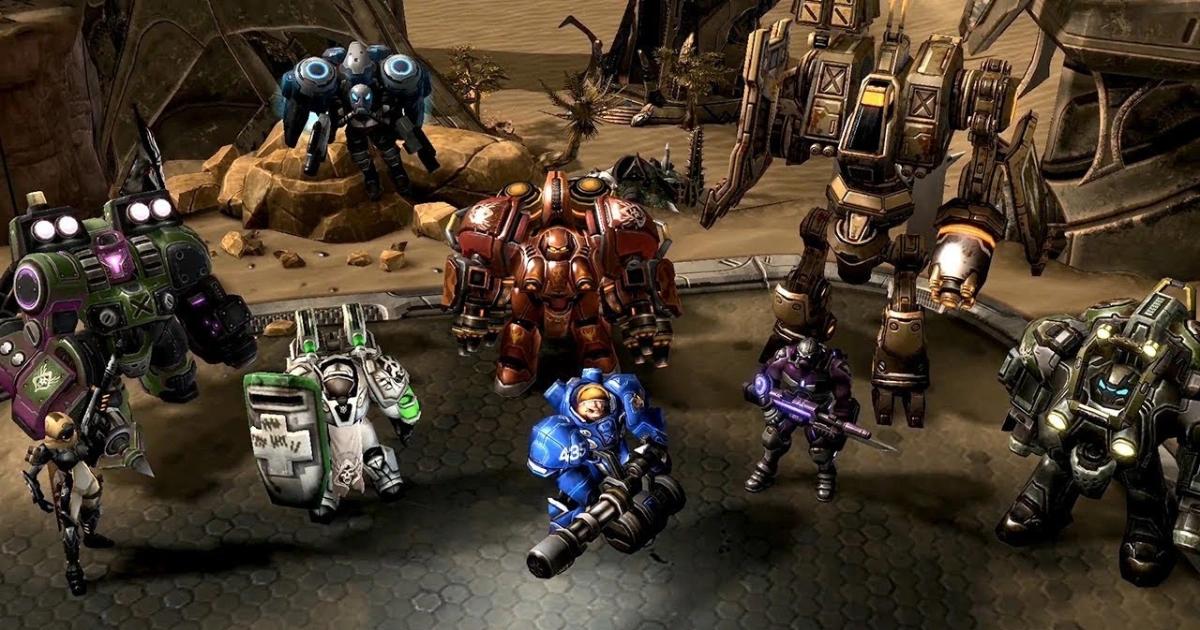
High-difficulty strategy games and artistic creation can stimulate neuroplasticity. A new study finds that long-term participants have an average brain age 4 to 7 years younger, providing scientific evidence for cognitive fitness.
Complex games make the brain “age backwards,” revealing neuroplasticity
Time can take away physical strength and also weaken the brain’s response and memory. However, a recent study published in “Nature Communications” titled “Creative experiences and brain clocks” indicates that engaging in high-intensity stimulating activities such as playing strategic video games, learning music, or dancing may be effective methods to delay aging.
Led by neuroscientists Carlos Coronel and Agustin Ibanez, the team used EEG and MEG brain wave scans, then applied machine learning models to analyze participants’ neural activity to estimate “physiological brain age.”
Results show that groups engaged in long-term high-difficulty games or artistic creation have brains that are on average 4 to 7 years younger than their actual age, indicating that complex, creative activities can effectively maintain neuroplasticity and slow age-related degeneration.
StarCraft II experiment confirms that “difficulty” is key to anti-aging
To verify whether this difference is caused by the activity itself rather than self-selection bias among healthy groups, the research team designed a control experiment. Non-gamer participants were asked to undergo about 30 hours of StarCraft II training over several weeks. This game is known for high-intensity multitasking, real-time decision-making, and resource management, demanding high attention and short-term memory.
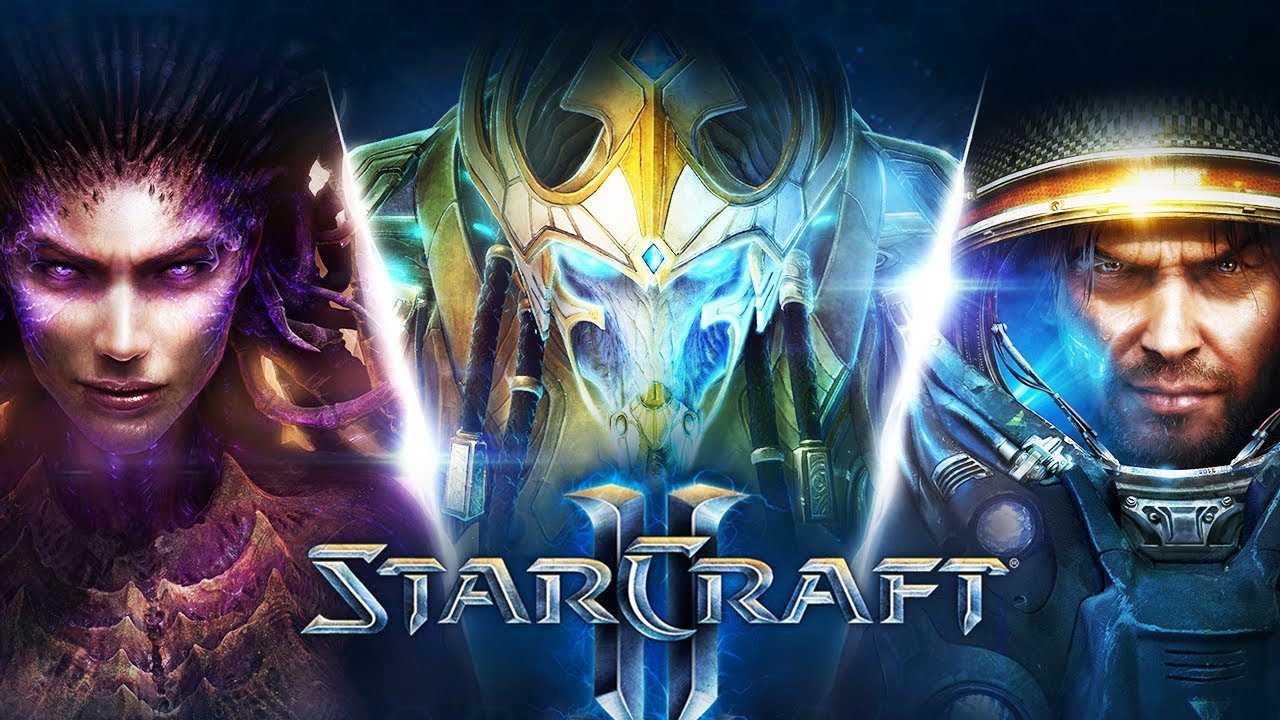
Image source: Blizzard “StarCraft II”
Results showed that after training, these novices’ brain activity significantly improved efficiency, with signs of slowed aging. In contrast, the control group played a slower-paced card game, Hearthstone, with no significant changes. The research team pointed out that “complexity” and “real-time response demands” are the main factors promoting neural activation, similar to learning a new language or instrument.
Other studies confirm that gamers perform as if 10 years younger
Another independent study conducted by the University of Western Ontario also supports this observation. The team found that frequent gamers perform cognitively about 13.7 years younger than non-players. Researchers noted that action and strategy games stimulate neural networks related to attention, decision-making, and executive functions, which are typically the earliest to decline.
However, the study also reminds that games are not a comprehensive health remedy. While they can enhance cognitive abilities and reaction speed, they do not significantly improve mental health indicators such as depression or anxiety. Therefore, maintaining a “young brain” still requires a combination of diverse lifestyle habits and physical exercise to balance different systems.
Technology, entertainment, and neuroscience combined, opening a new era of “Cognitive Fitness”
This research is regarded as a significant breakthrough in the concept of “Cognitive Fitness.” Long misunderstood as time-wasting entertainment, video games are now being redefined as potential brain training tools under neuroscientific validation.
Experts point out that the brain is similar to muscles; only through highly variable and challenging tasks can vitality be maintained. From real-time judgment games like StarCraft II to music creation and dance practice, all can strengthen multiple perception and decision-making circuits. In the future, if combined with AI and personalized training models, the concept of “playing to keep the brain young” may become a new scientific approach to combating aging.
Disclaimer: The information on this page may come from third parties and does not represent the views or opinions of Gate. The content displayed on this page is for reference only and does not constitute any financial, investment, or legal advice. Gate does not guarantee the accuracy or completeness of the information and shall not be liable for any losses arising from the use of this information. Virtual asset investments carry high risks and are subject to significant price volatility. You may lose all of your invested principal. Please fully understand the relevant risks and make prudent decisions based on your own financial situation and risk tolerance. For details, please refer to
Disclaimer.


