Trump Family’s WLFI Applies to OCC for National Trust Bank to Establish Autonomous Issuance Custody Mechanism for Stablecoin USD1.
(Background: Trump Crypto Project WLFI Buys Meme Coin $1 as Strategic Reserve! Claims to Make USD1 Dominant on Solana)
(Additional Background: Trump Bets $120 Million: WLFI Allocates 5% of Treasury Tokens to Expand USD1 Stablecoin Market Share)
As Trump approaches the one-year mark in office, his family-managed World Liberty Financial (WLFI) announced on the 7th that its wholly-owned subsidiary WLTC Holdings has submitted an application to the Office of the Comptroller of the Currency (OCC), seeking to obtain a U.S. national bank charter.
The application seeks approval to establish the World Liberty Trust Company, National Association (WLTC). Once approved, WLFI can issue and custody the USD1 stablecoin independently as a federal trust bank.
Currently, USD1 assets are held by BitGo, collateralized 100% with cash and short-term U.S. Treasuries. WLFI states that once WLTC is established, assets will be transferred into its regulated account, with BitGo becoming a strategic partner rather than the trust entity.
Application for Trust Bank Aims for Full-Stack Services
According to the official press release, WLTC plans to provide three core services under federal regulation:
-
Stablecoin Issuance and Redemption: During the initial phase, it will offer minting and redemption of USD1 without any fees.
-
Deposit and Withdrawal Services: Provide two-way exchange between USD and USD1, with no transaction fees during the initial launch.
-
Custody and Conversion: Offer secure custody for USD1 and other approved stablecoins, and provide conversion services at current market rates.
USD1 Surpasses $3.3 Billion in One Year, Accelerating Regulatory Adoption
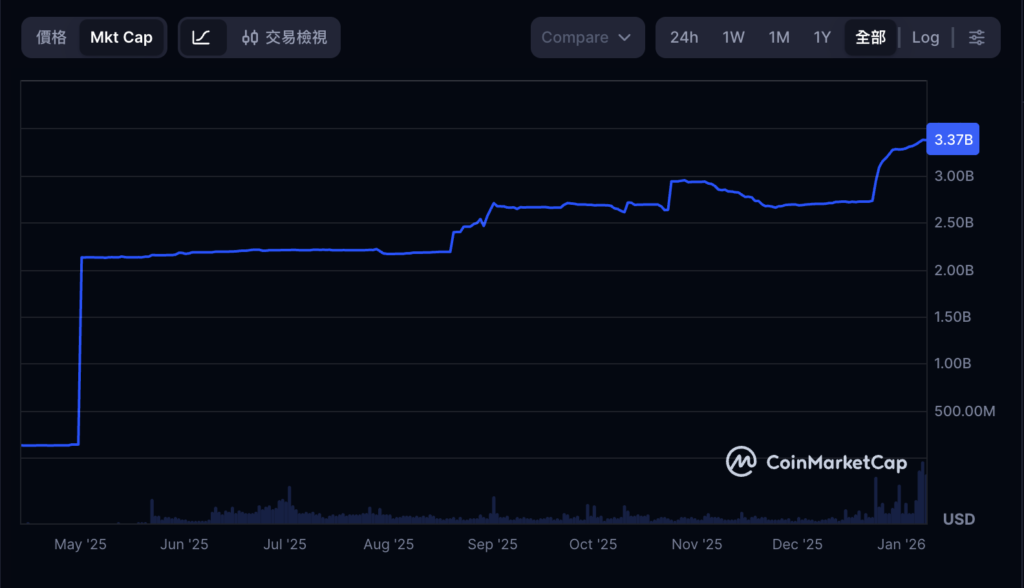
The stablecoin USD1 was launched in early 2025, and within a year under Trump’s spotlight, its circulation exceeded $3.3 billion, already circulating on 10 public blockchains including Ethereum and Solana. In the future, WLFI plans to view the license as a catalyst for expansion, aiming to develop USD1 into a global settlement layer under federal regulation.
WLFI’s actions indicate the industry is rapidly approaching traditional financial infrastructure, with federal licenses becoming the next threshold in stablecoin competition.

Disclaimer: The information on this page may come from third parties and does not represent the views or opinions of Gate. The content displayed on this page is for reference only and does not constitute any financial, investment, or legal advice. Gate does not guarantee the accuracy or completeness of the information and shall not be liable for any losses arising from the use of this information. Virtual asset investments carry high risks and are subject to significant price volatility. You may lose all of your invested principal. Please fully understand the relevant risks and make prudent decisions based on your own financial situation and risk tolerance. For details, please refer to
Disclaimer.


