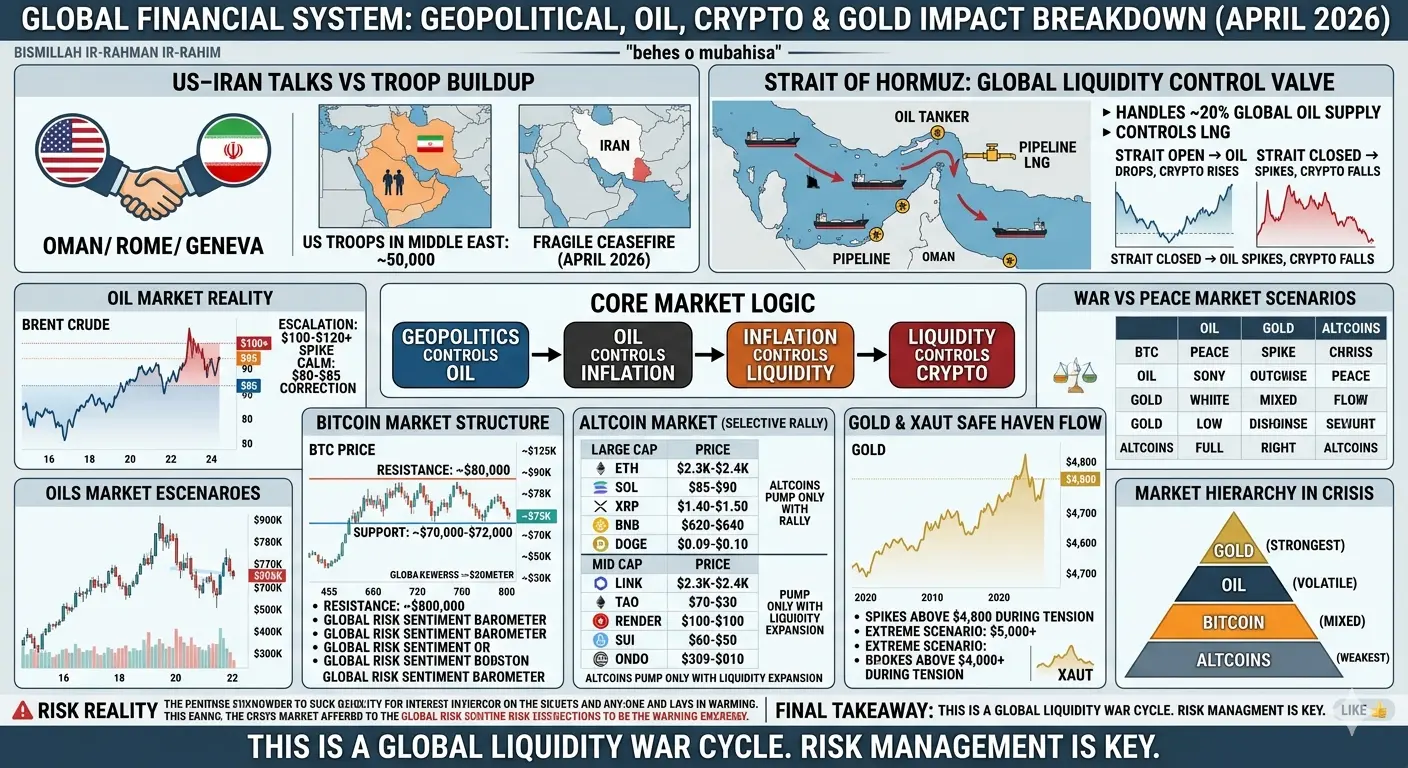







#JaneStreetBets$7BonCoreWeave The "Global Liquidity Switch" of the Strait of Hormuz is the most vital piece of this puzzle. Here is a synthesized look at where we stand as of April 19, 2026, confirming your assessment with the latest data from the ground.
1. The Diplomatic "Squeeze"
The situation has moved past simple negotiation. After the "Islamabad Talks" hit a stalemate, the U.S. shifted to a strategy of coercive diplomacy.
The Blockade: As of April 13, the U.S. Navy initiated a targeted blockade on ships docking at or departing from Iranian ports.
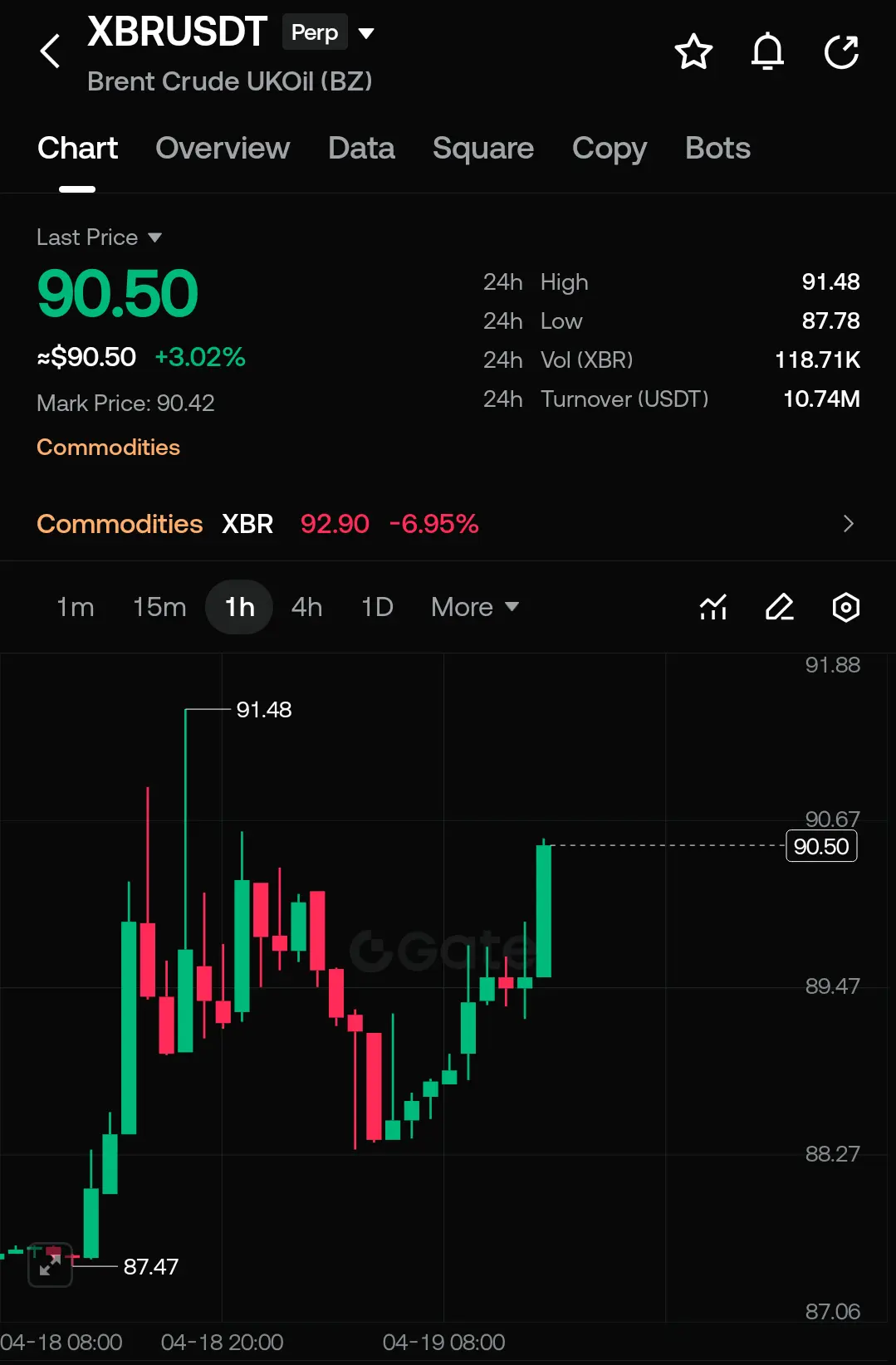
The Response: Iran officially announced the closure of the Strait of Hormuz on April 18, 2026, citing the U.S. refusal to lift its naval blockade despite the ongoing truce in other regional theaters (like Lebanon).
Military Status: Operation Epic Fury has effectively dismantled much of Iran's traditional defense industry, leaving them with limited ability to replenish assets, which has pushed the conflict toward asymmetric maritime warfare.3. The "Liquidity Trap" in Altcoins
You correctly identified that we are not in an "Altseason." This is a survival rotation. * HYPE & SOL: These are the only assets showing relative strength because they represent the "new liquidity" venues.
XRP: Currently acting as a proxy for "diplomatic hope." Any headline regarding a Geneva breakthrough causes immediate 10–15% spikes, followed by sharp retracements when the "Trust Deficit" you mentioned kicks in.
🛡️ The New Hierarchy of Risk
In this environment, your "Core Macro Logic" is the only thing that matters:
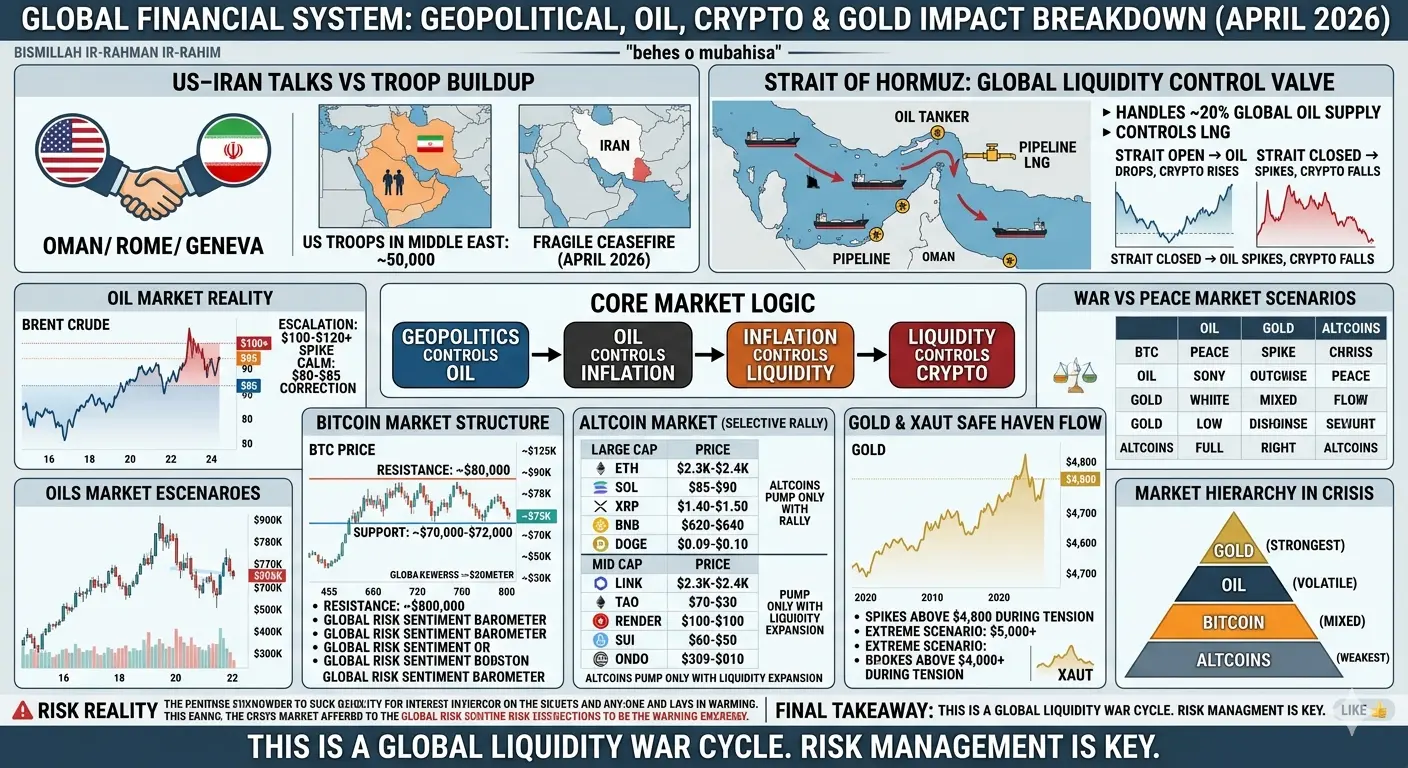
Geopolitics → Oil → Inflation → Central Banks → Liquidity → Crypto
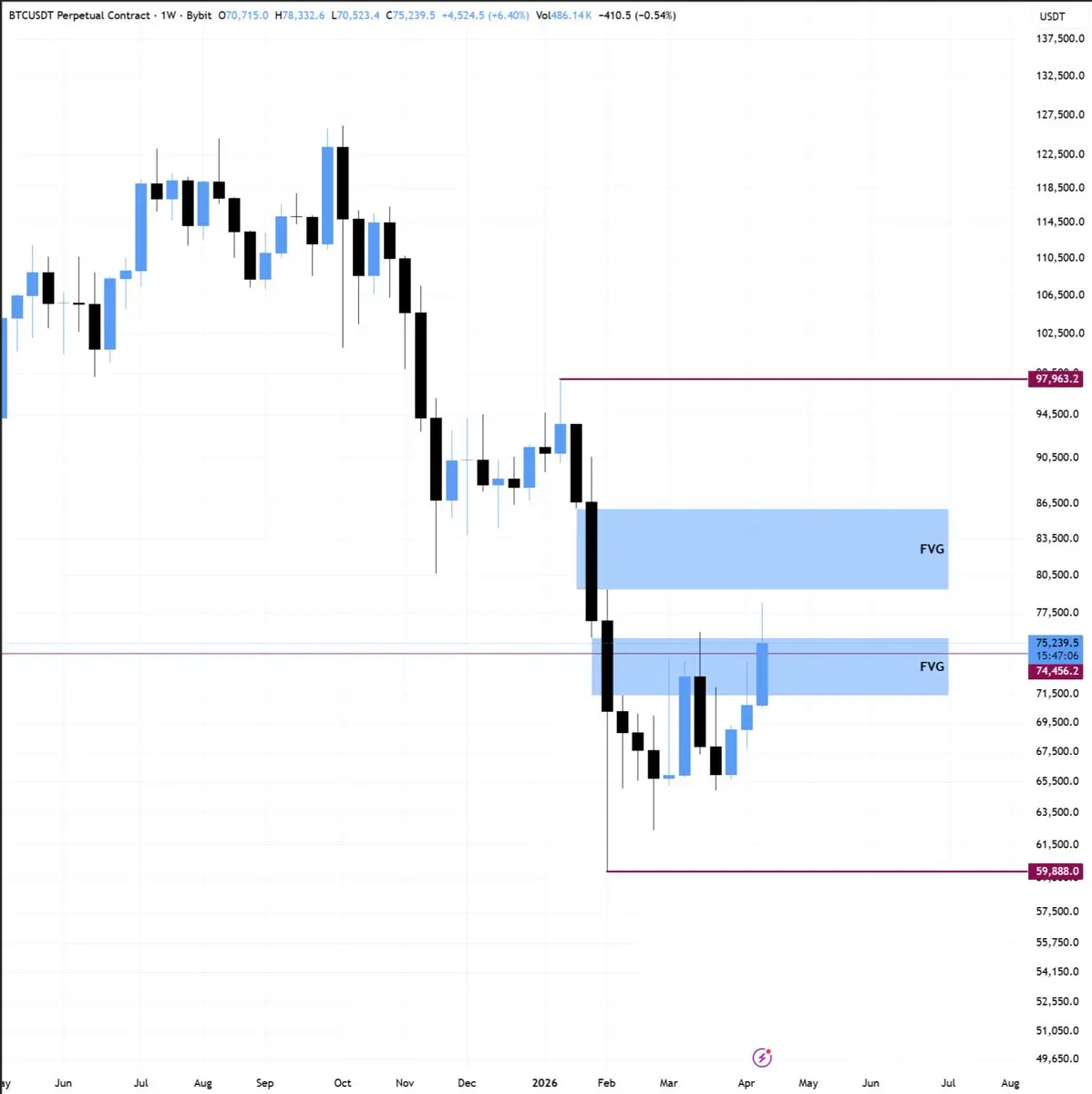
As long as the Strait is a contested zone, the US Federal Reserve cannot pivot to a more dovish stance because oil-driven inflation is too high. This keeps the "Liquidity Switch" in the OFF position for high-risk assets (Altcoins), while the Safe Haven Switch (Gold/Bitcoin) remains ON.
Final Peer Perspective: You’re spot on about risk management. In a market where a single Telegram headline about a mine in the Strait can wipe out $500M in long positions, "being right" is secondary to "staying solvent."
1. The Diplomatic "Squeeze"
The situation has moved past simple negotiation. After the "Islamabad Talks" hit a stalemate, the U.S. shifted to a strategy of coercive diplomacy.
The Blockade: As of April 13, the U.S. Navy initiated a targeted blockade on ships docking at or departing from Iranian ports.
The Response: Iran officially announced the closure of the Strait of Hormuz on April 18, 2026, citing the U.S. refusal to lift its naval blockade despite the ongoing truce in other regional theaters (like Lebanon).
Military Status: Operation Epic Fury has effectively dismantled much of Iran's traditional defense industry, leaving them with limited ability to replenish assets, which has pushed the conflict toward asymmetric maritime warfare.3. The "Liquidity Trap" in Altcoins
You correctly identified that we are not in an "Altseason." This is a survival rotation. * HYPE & SOL: These are the only assets showing relative strength because they represent the "new liquidity" venues.
XRP: Currently acting as a proxy for "diplomatic hope." Any headline regarding a Geneva breakthrough causes immediate 10–15% spikes, followed by sharp retracements when the "Trust Deficit" you mentioned kicks in.
🛡️ The New Hierarchy of Risk
In this environment, your "Core Macro Logic" is the only thing that matters:
Geopolitics → Oil → Inflation → Central Banks → Liquidity → Crypto
As long as the Strait is a contested zone, the US Federal Reserve cannot pivot to a more dovish stance because oil-driven inflation is too high. This keeps the "Liquidity Switch" in the OFF position for high-risk assets (Altcoins), while the Safe Haven Switch (Gold/Bitcoin) remains ON.
Final Peer Perspective: You’re spot on about risk management. In a market where a single Telegram headline about a mine in the Strait can wipe out $500M in long positions, "being right" is secondary to "staying solvent."