








#Bitcoin’sSafeHavenAppeal .
🌐 #Bitcoin’s Safe Haven Appeal
Bitcoin has long been in the spotlight as a potential “safe haven” asset — a digital asset some investors turn to during economic or geopolitical uncertainty. But what does this really mean, and how does it impact trading, investing, and forecasting in 2026? Let’s break it down.
1️⃣ Understanding the Phrase
#Bitcoin’s Safe Haven Appeal literally means:
The attraction of Bitcoin as a safe haven asset.
Breaking it down:
Bitcoin: The first decentralized cryptocurrency, operating without central banks or governments.
Safe haven: An asset investors turn to for stability during market turmoil, like gold or government bonds.
Appeal: The reason it is attractive or desirable to investors.
In short: It explains why some investors see Bitcoin as a way to protect wealth when traditional markets are volatile.
2️⃣ Why Bitcoin Is Considered a “Safe Haven” by Some
There are several key factors that contribute to this perception:
🔹 Limited Supply & Scarcity
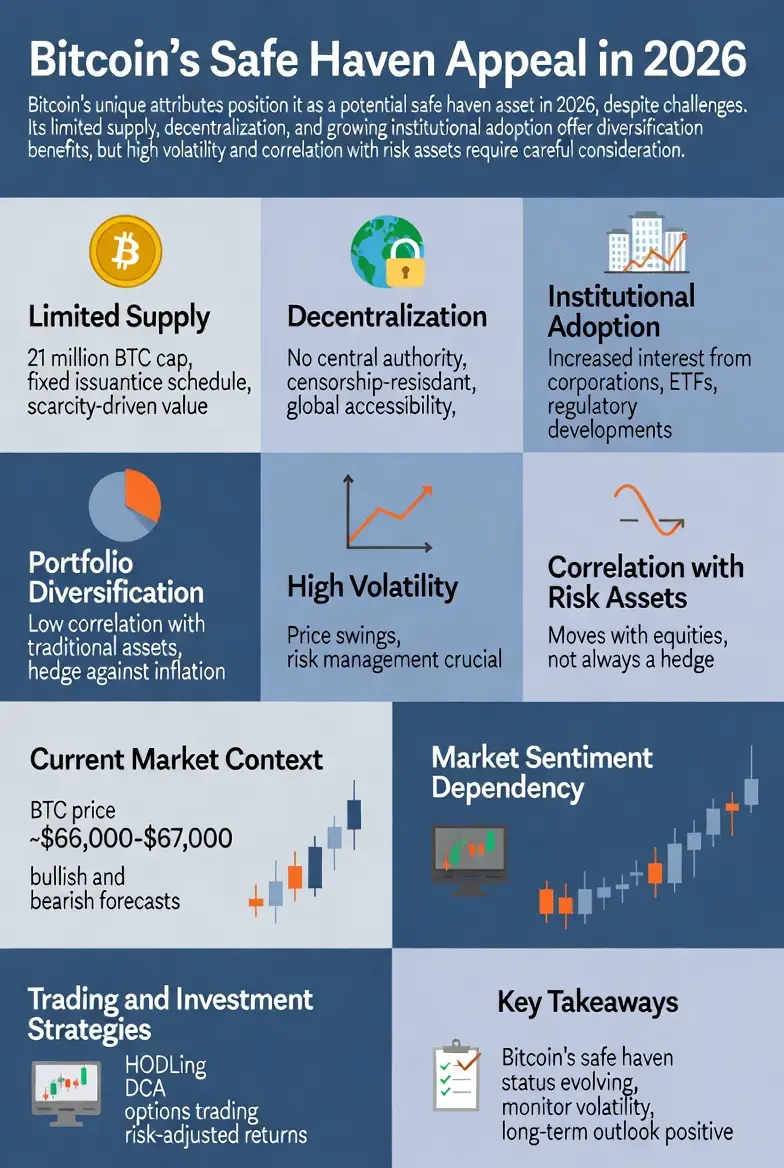
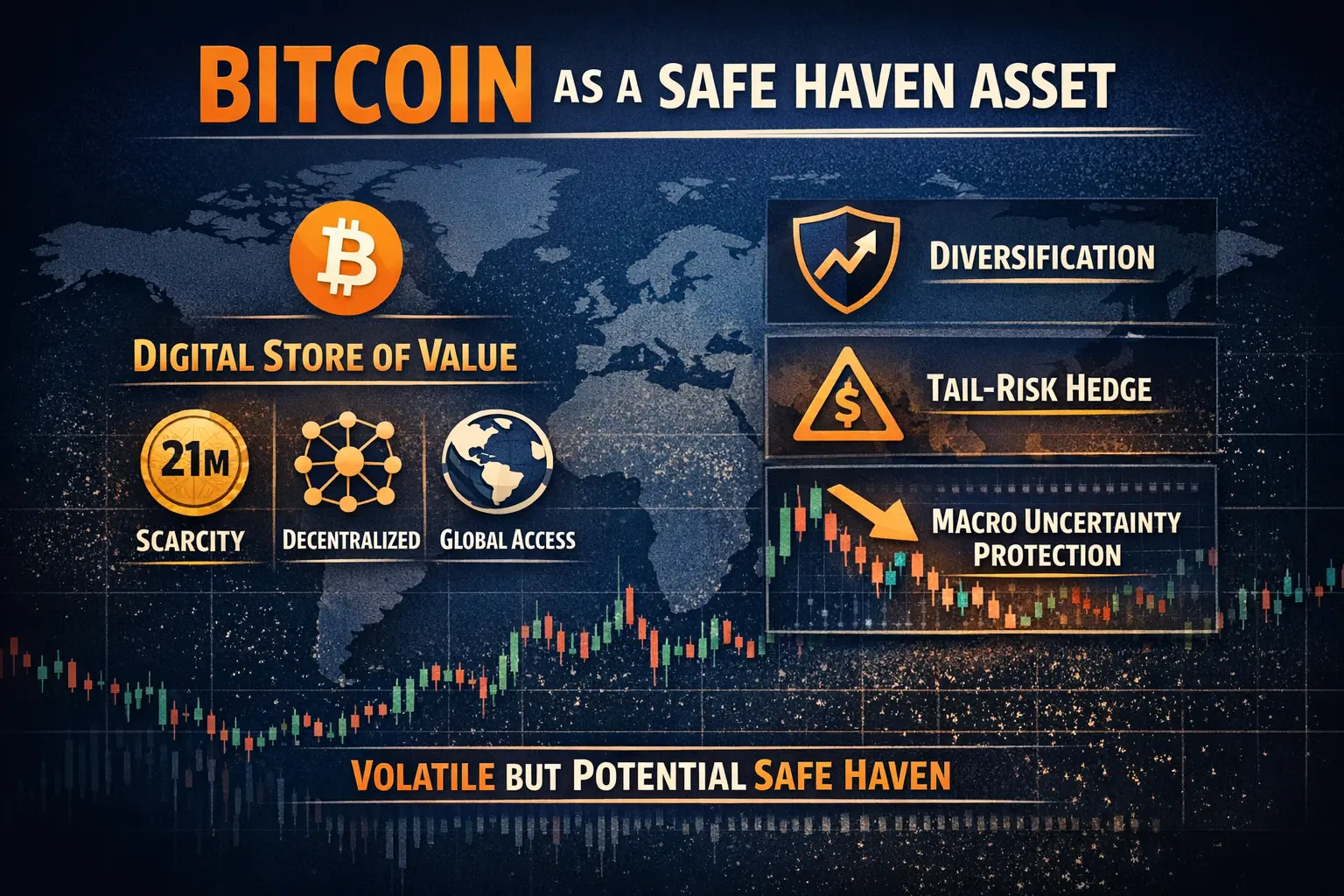
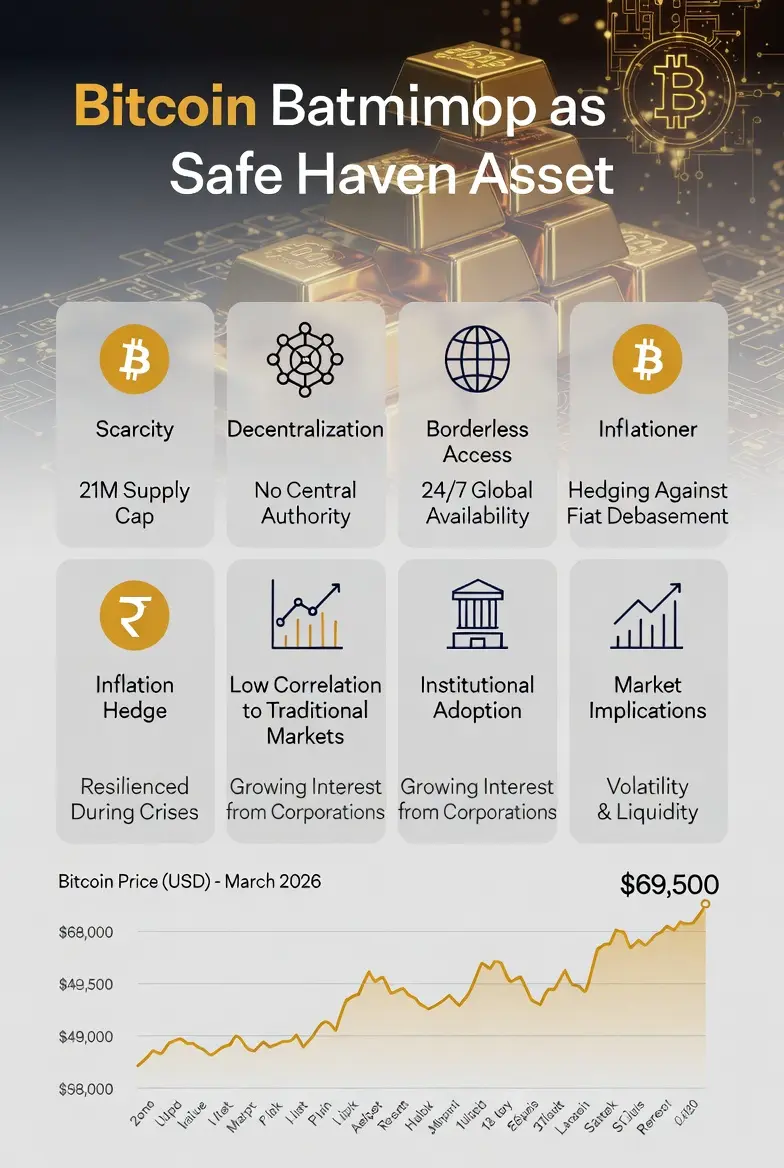
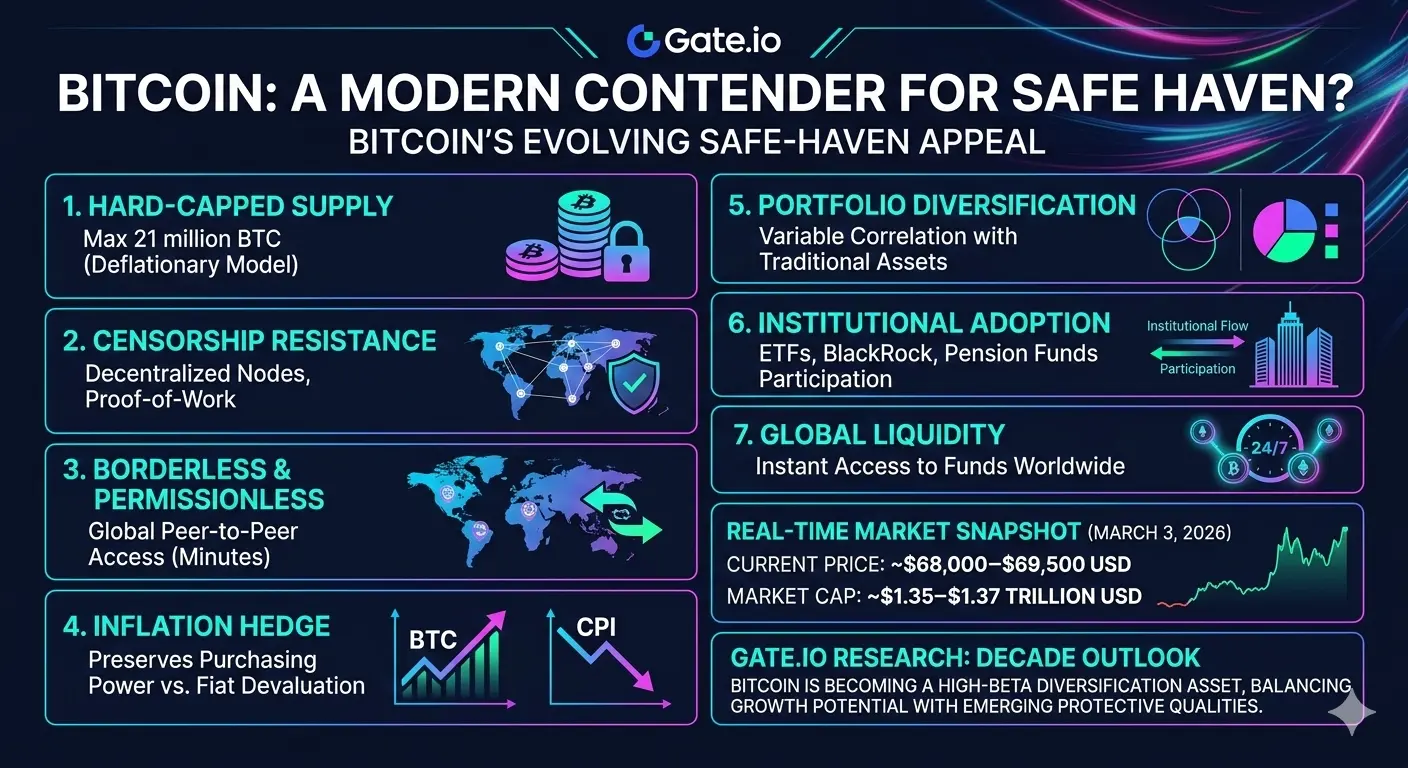
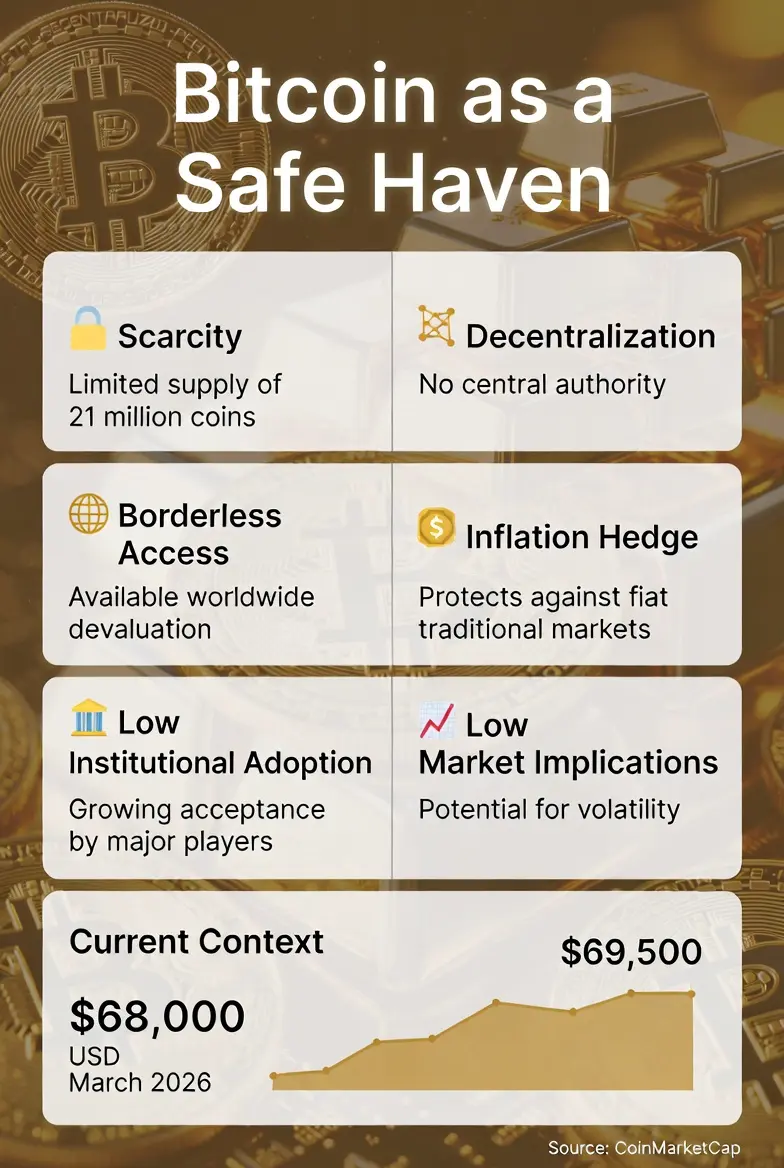
Bitcoin’s maximum supply is 21 million coins, creating scarcity similar to gold.
This scarcity appeals to investors worried about inflation eroding fiat currencies.
🔹 Decentralization
Bitcoin operates independently of governments or central banks.
Investors see this as protection against currency devaluation or economic mismanagement.
🔹 Institutional Adoption
More funds, corporations, and ETFs are now holding Bitcoin.
This increases credibility, liquidity, and market maturity, making it feel safer for some investors.
🔹 Portfolio Diversification
Bitcoin sometimes behaves differently from traditional assets like stocks or bonds.
Adding Bitcoin can reduce overall portfolio correlation to markets — potentially smoothing returns.
3️⃣ Why Bitcoin Is Not a Perfect Safe Haven
Despite the narrative, Bitcoin has several characteristics that make it riskier than traditional safe havens:
⚠️ High Volatility
Prices can swing 10–15% in a day, much more than gold or Treasury bonds.
⚠️ Correlation With Risk Assets
During some crises, Bitcoin has fallen alongside stocks, contradicting its safe haven narrative.
⚠️ Market Sentiment Dependent
Bitcoin often responds strongly to hype, news, or regulation — making it a speculative asset.
Takeaway: Bitcoin can act as a partial hedge, but it’s not a guaranteed safe haven.
4️⃣ Current Market Context (March 2026)
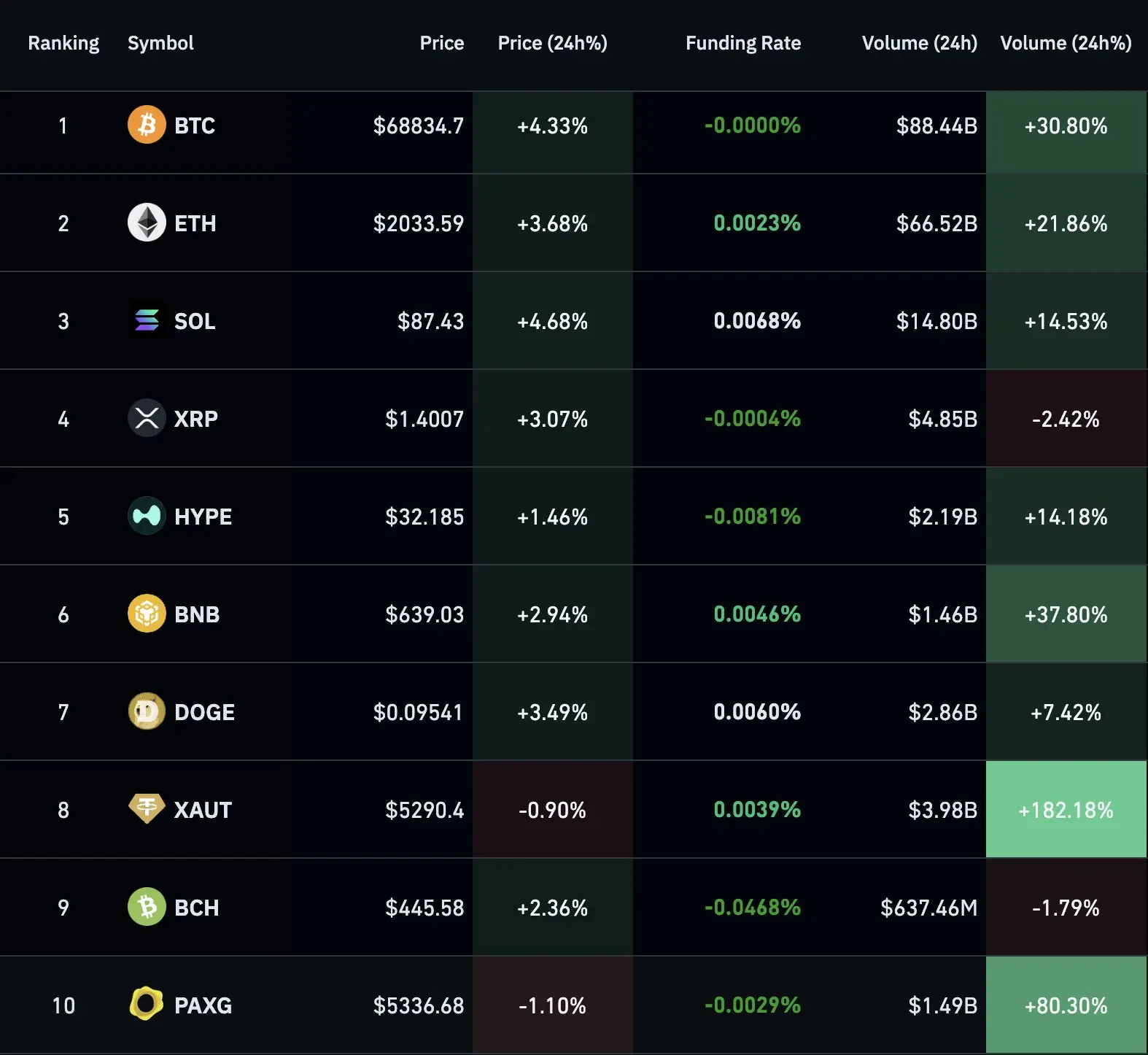
BTC Price: ~$66,000–$67,000
Market sentiment: Cautious but recovering from previous volatility.
Macro backdrop: Inflation concerns persist, central banks maintain moderate tightening, and institutional adoption continues.
Analysis: Bitcoin is in a consolidation phase — attractive for both long-term holders and tactical traders waiting for trends.
5️⃣ Forecasts & Price Expectations
🔹 Bullish Scenarios
Institutional inflows + macro uncertainty could push BTC toward $100,000–$150,000 by end of 2026.
Positive adoption news, ETFs, or corporate holdings can fuel rallies.
🔹 Bearish / Cautionary Scenarios
Price could dip $40,000–$60,000 if market sentiment turns risk-off or global crises reduce appetite for crypto.
Regulatory uncertainty can trigger sudden corrections.
Important: Crypto markets remain highly speculative; all forecasts are probabilistic, not guaranteed.
6️⃣ Trading & Investment Strategies
🔹 Long-Term HODL
Buy Bitcoin and hold for years, banking on scarcity, adoption, and digital store of value.
🔹 Small Allocation for Diversification
Keep only 1–5% of your portfolio in Bitcoin to reduce risk exposure.
🔹 Technical Trading
Use indicators like moving averages, RSI, MACD, and support/resistance zones for short-term trades.
🔹 Risk Management
Set stop-loss orders and avoid investing money you cannot afford to lose.
7️⃣ Bitcoin’s Safe Haven Mechanics
Inflation Hedge: Limited supply makes it attractive when fiat weakens.
Crisis Diversifier: Can act as a hedge against geopolitical uncertainty — though imperfect.
Liquidity: High trading volumes allow large trades without crashing prices.
Global Accessibility: Unlike local currencies, Bitcoin can be accessed from anywhere, offering “financial freedom” in crisis regions.
8️⃣ Next Moves & Strategic Outlook
Short-term traders: Watch key support ($64k–$66k) and resistance ($70k–$72k) zones.
Long-term holders: Dollar-cost average to reduce entry risk.
Risk-off periods: Bitcoin may rise if macro uncertainty persists, but volatility means profits aren’t guaranteed.
Education: Track macro news, ETF approvals, and institutional flows for signals.
9️⃣ Key Takeaways
Bitcoin has real narrative appeal as a safe haven, but its performance is volatile and inconsistent.
Use Bitcoin as part of a diversified strategy, not as a full hedge.
Monitor market cycles, macro news, and institutional activity for timing.
Forecasts vary widely: $40k–$150k range in 2026 depending on sentiment and adoption.
🔟 Final Thoughts
Bitcoin’s “safe haven appeal” is a modern financial phenomenon — combining scarcity, decentralization, and growing legitimacy.
✅ It can protect wealth in uncertain times.
⚠️ It cannot fully replace gold or bonds as a stable safe haven.
Strategic advice: Treat Bitcoin as a hybrid asset — part speculative, part potential hedge — and always manage risk.
🌐 #Bitcoin’s Safe Haven Appeal
Bitcoin has long been in the spotlight as a potential “safe haven” asset — a digital asset some investors turn to during economic or geopolitical uncertainty. But what does this really mean, and how does it impact trading, investing, and forecasting in 2026? Let’s break it down.
1️⃣ Understanding the Phrase
#Bitcoin’s Safe Haven Appeal literally means:
The attraction of Bitcoin as a safe haven asset.
Breaking it down:
Bitcoin: The first decentralized cryptocurrency, operating without central banks or governments.
Safe haven: An asset investors turn to for stability during market turmoil, like gold or government bonds.
Appeal: The reason it is attractive or desirable to investors.
In short: It explains why some investors see Bitcoin as a way to protect wealth when traditional markets are volatile.
2️⃣ Why Bitcoin Is Considered a “Safe Haven” by Some
There are several key factors that contribute to this perception:
🔹 Limited Supply & Scarcity
Bitcoin’s maximum supply is 21 million coins, creating scarcity similar to gold.
This scarcity appeals to investors worried about inflation eroding fiat currencies.
🔹 Decentralization
Bitcoin operates independently of governments or central banks.
Investors see this as protection against currency devaluation or economic mismanagement.
🔹 Institutional Adoption
More funds, corporations, and ETFs are now holding Bitcoin.
This increases credibility, liquidity, and market maturity, making it feel safer for some investors.
🔹 Portfolio Diversification
Bitcoin sometimes behaves differently from traditional assets like stocks or bonds.
Adding Bitcoin can reduce overall portfolio correlation to markets — potentially smoothing returns.
3️⃣ Why Bitcoin Is Not a Perfect Safe Haven
Despite the narrative, Bitcoin has several characteristics that make it riskier than traditional safe havens:
⚠️ High Volatility
Prices can swing 10–15% in a day, much more than gold or Treasury bonds.
⚠️ Correlation With Risk Assets
During some crises, Bitcoin has fallen alongside stocks, contradicting its safe haven narrative.
⚠️ Market Sentiment Dependent
Bitcoin often responds strongly to hype, news, or regulation — making it a speculative asset.
Takeaway: Bitcoin can act as a partial hedge, but it’s not a guaranteed safe haven.
4️⃣ Current Market Context (March 2026)
BTC Price: ~$66,000–$67,000
Market sentiment: Cautious but recovering from previous volatility.
Macro backdrop: Inflation concerns persist, central banks maintain moderate tightening, and institutional adoption continues.
Analysis: Bitcoin is in a consolidation phase — attractive for both long-term holders and tactical traders waiting for trends.
5️⃣ Forecasts & Price Expectations
🔹 Bullish Scenarios
Institutional inflows + macro uncertainty could push BTC toward $100,000–$150,000 by end of 2026.
Positive adoption news, ETFs, or corporate holdings can fuel rallies.
🔹 Bearish / Cautionary Scenarios
Price could dip $40,000–$60,000 if market sentiment turns risk-off or global crises reduce appetite for crypto.
Regulatory uncertainty can trigger sudden corrections.
Important: Crypto markets remain highly speculative; all forecasts are probabilistic, not guaranteed.
6️⃣ Trading & Investment Strategies
🔹 Long-Term HODL
Buy Bitcoin and hold for years, banking on scarcity, adoption, and digital store of value.
🔹 Small Allocation for Diversification
Keep only 1–5% of your portfolio in Bitcoin to reduce risk exposure.
🔹 Technical Trading
Use indicators like moving averages, RSI, MACD, and support/resistance zones for short-term trades.
🔹 Risk Management
Set stop-loss orders and avoid investing money you cannot afford to lose.
7️⃣ Bitcoin’s Safe Haven Mechanics
Inflation Hedge: Limited supply makes it attractive when fiat weakens.
Crisis Diversifier: Can act as a hedge against geopolitical uncertainty — though imperfect.
Liquidity: High trading volumes allow large trades without crashing prices.
Global Accessibility: Unlike local currencies, Bitcoin can be accessed from anywhere, offering “financial freedom” in crisis regions.
8️⃣ Next Moves & Strategic Outlook
Short-term traders: Watch key support ($64k–$66k) and resistance ($70k–$72k) zones.
Long-term holders: Dollar-cost average to reduce entry risk.
Risk-off periods: Bitcoin may rise if macro uncertainty persists, but volatility means profits aren’t guaranteed.
Education: Track macro news, ETF approvals, and institutional flows for signals.
9️⃣ Key Takeaways
Bitcoin has real narrative appeal as a safe haven, but its performance is volatile and inconsistent.
Use Bitcoin as part of a diversified strategy, not as a full hedge.
Monitor market cycles, macro news, and institutional activity for timing.
Forecasts vary widely: $40k–$150k range in 2026 depending on sentiment and adoption.
🔟 Final Thoughts
Bitcoin’s “safe haven appeal” is a modern financial phenomenon — combining scarcity, decentralization, and growing legitimacy.
✅ It can protect wealth in uncertain times.
⚠️ It cannot fully replace gold or bonds as a stable safe haven.
Strategic advice: Treat Bitcoin as a hybrid asset — part speculative, part potential hedge — and always manage risk.