
Купить криптовалюту
Оплатить в

USD
Купить и Продажа
HOT
Покупайте и продавайте криптовалюту через Apple Pay, карты, Google Pay, банковские переводы и т. д
P2P
0 Fees
Нулевые комиссии, более 400 способов оплаты и простая покупка и продажа криптовалюты
Gate Card
Криптовалютная платежная карта, обеспечивающая бесперебойные глобальные транзакции.
Торговля
Основа
Спот
Торгуйте криптовалютой свободно
Маржа
Увеличьте свою прибыль с помощью кредитного плеча
Конвертация и блочная торговля
0 Fees
Торгуйте любым объемом без комиссий и проскальзываний
Токены с кредитным плечом
Получите простой доступ к позициям с кредитным плечом
Премаркет
Торгуйте новыми токенами до их официального листинга
Фьючерсы
Фьючерсы
Сотни контрактов, рассчитанных в USDT или BTC
Опционы
HOT
Торги опционами Vanilla в европейском стиле
Единый счет
Увеличьте эффективность вашего капитала
Демо-торговля
Начало фьючерсов
Подготовьтесь к торговле фьючерсами
Фьючерсные события
Участвуйте в мероприятиях и выигрывайте щедрые награды
Демо-торговля
Используйте виртуальные средства для торговли без риска
Earn
Запуск
CandyDrop
Собирайте конфеты, чтобы заработать аирдропы
Launchpool
Быстрый стейкинг, заработайте потенциальные новые токены
HODLer Airdrop
Удерживайте GT и получайте огромные аирдропы бесплатно
Launchpad
Будьте готовы к следующему крупному токен-проекту
Alpha Points
NEW
Торгуйте ончейн активами и получайте награды аирдропа!
Фьючерсные баллы
NEW
Зарабатывайте баллы и получайте награды аирдропа
Инвестиции
Simple Earn
Зарабатывайте проценты с помощью неиспользуемых токенов
Автоинвест.
Автоинвестиции на регулярной основе.
Бивалютные инвестиции
Покупайте дешево и продавайте дорого, чтобы получить прибыль от колебаний цен
Мягкий стейкинг
Получайте вознаграждения с помощью гибкого стейкинга
Криптозаймы
0 Fees
Заложите одну криптовалюту, чтобы занять другую
Центр кредитования
Единый центр кредитования
VIP-центр богатства
Настроенное вами управление капиталом способствует росту ваших активов
Управление частным капиталом
Индивидуальное управление активами для роста ваших цифровых активов
Количественный фонд
Лучшая команда по управлению активами поможет вам получить прибыль без лишних хлопот
Стейкинг
Делайте стейкинг криптовалюты, чтобы заработать на продуктах PoS
Умное плечо
NEW
Без принудительной ликвидации до погашения, беззаботный прирост с кредитным плечом
Минтинг GUSD
Используйте USDT/USDC чтобы минтить GUSD для доходности на уровне казначейских облигаций

Еще

Стоит ли покупать золотой токен Tether XAUT?
1ч назад
a16z: 3 способа, которыми криптотехнологии превзойдут криптографию к 2026 году
4ч назад
Популярные темы
Подробнее31.11K Популярность
59.4K Популярность
232.84K Популярность
13.6K Популярность
100.75K Популярность



Закрепить
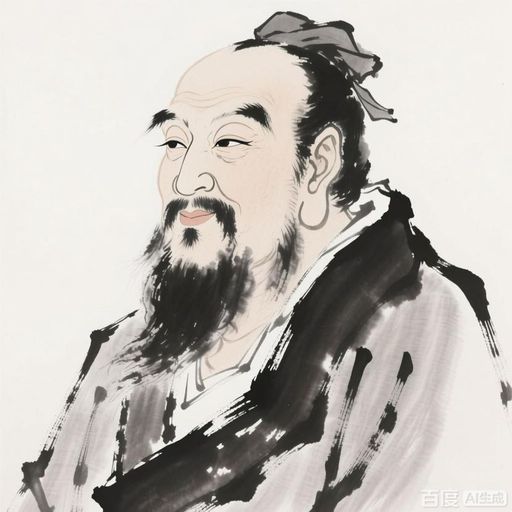
Когда один скакун, сообщество создает монеты, Alpha выходит на рынок: в криптомире тоже есть «школа Шаньдуна»
Written by: Kuli, Deep Tide TechFlow
There’s an unspoken rule at dinner tables in Shandong province: when the fish is served, the fish head must point toward the host seat.
Whoever it points to becomes the main character and must drink first. It’s not written down anywhere, but every Shandian knows it. Nobody teaches you—you just pick it up naturally.
Recently, someone drew a picture called “Shandong Studies of Crypto.” A table of people eating fish, with He Yi sitting at the host seat, KOLs, listing teams, and editors arranged on both sides.
Caption: For Binance listings, the fish head points toward He Yi.
On January 1st, He Yi posted a New Year’s tweet. Riding a white horse, walking by the sea, with four characters:
I’m here, damn it.
A nice New Year’s blessing—“踏马” (tà mǎ) sounds like the horse zodiac, with a playful pun.
Today, Binance Alpha listed a new token called “I’m Here, Damn It.” Made by the community, with no direct connection to He Yi.
But look at this chain: the First Sister posts a tweet, the community launches a token, Alpha lists it.
No one in between needs to say a word.
Last year, Binance was criticized for “sisterhood coins,” accusations of fishy listing practices and interest transfers. He Yi responded multiple times, saying she was reflecting and adjusting, even created Alpha as a selection pool.
In December last year, she tweeted: Don’t come to our official account looking for angles like this; we won’t engage with this kind of meme anymore.
28 days later, her New Year’s tweet became a token on Alpha.
What’s the problem with sisterhood coins? People using backdoors, connecting through relationships, interest transfers.
These all require evidence, require a chain of cause and effect, require an actual sister.
But “I’m Here, Damn It” doesn’t need any of that.
No backdoors, no connections, no interest transfers. The First Sister posts a picture, and people below automatically spring into action.
This perhaps touches on the essence of Shandong Studies: the leader doesn’t need to speak; you figure it out yourself.
Someone in the community commented that Alpha is now just a tool for flattery, existing only to make the First Sister happy.
Crude phrasing, but it describes the atmosphere.
When a platform’s direction starts revolving around one person’s social media, when “which token to list” becomes “guess what she likes,” rules stop mattering.
What matters is reading the room.
Someone put it even harsher: If you want to know whether an industry has a future, ask one question—in this industry, are people who are good at flattery more likely to succeed than people who actually get things done?
If the answer is “yes,” that industry is in decline.
In crypto, this trick really works. And everyone knows whose behind to kiss if you want to be among the most successful.
In AI, core resources are technology and products—you need to deliver something. Jensen Huang won’t give you GPUs just because you call him daddy every day.
In crypto, core resources are listing rights, traffic, insider information. These things aren’t in code; they’re in people’s hands.
When resources are in people’s hands, you have to use human methods to acquire them.
The more prevalent Shandong Studies becomes in a place, the more it relies on connections and information asymmetry rather than innovation and technology.
He Yi probably doesn’t even know about this. A small MEME worth a few million isn’t worth disturbing the Co-CEO.
But that’s precisely the problem.
She doesn’t need to know. The fish head turns itself.
This is far more efficient than sisterhood coins.
Sisterhood coins at least require a sister. Shandong Studies only requires an atmosphere.
And in some sense, people who see through this system and execute it flawlessly are talented too.
After all, in this society, we mock the poor, not the shameless.