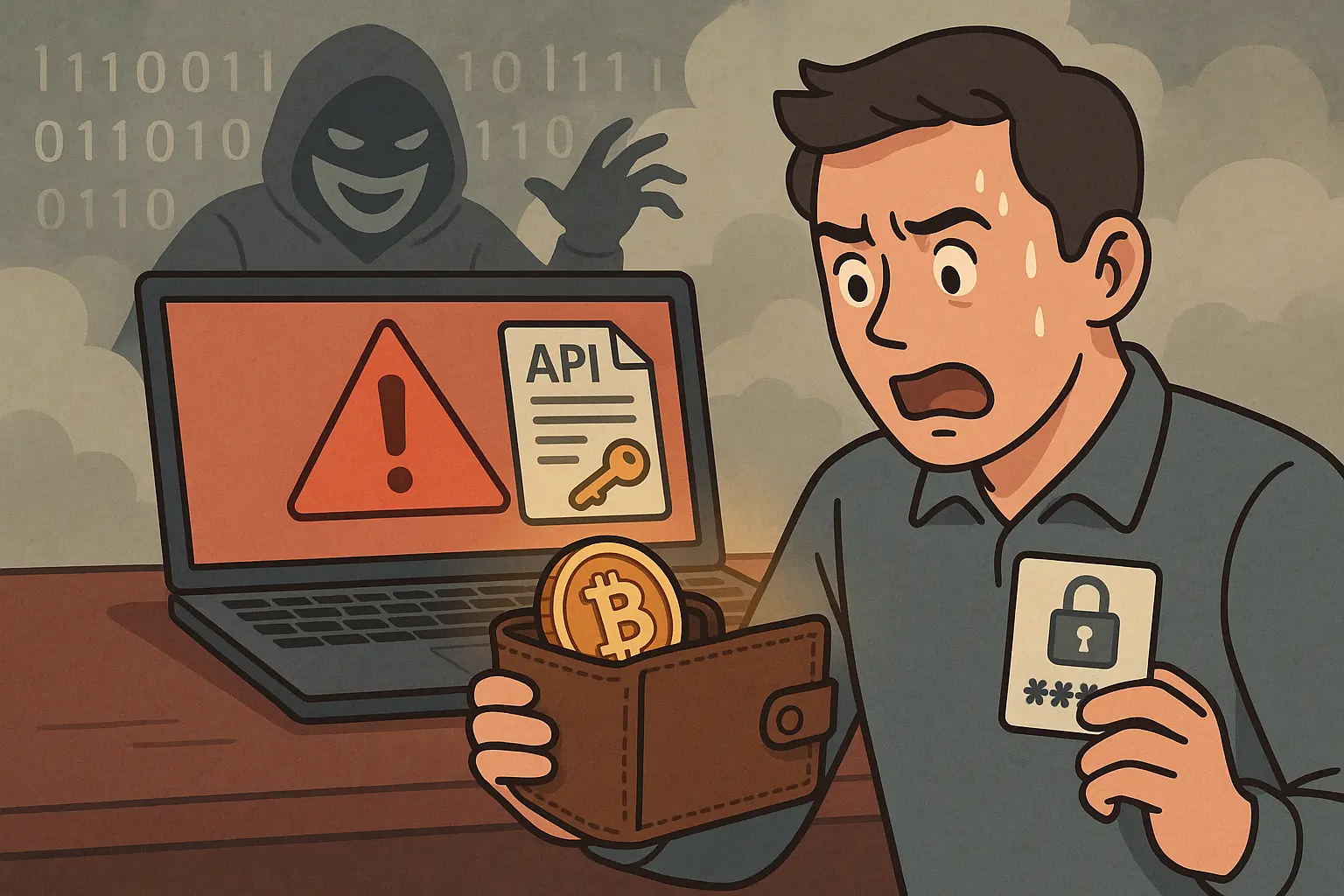
Chief Information Security Officer of SlowMist 23pds disclosed on March 25 that the Python AI gateway library LiteLLM, with a monthly download volume of 97 million, was targeted in a supply chain attack on PyPI. The compromised versions 1.82.7 and 1.82.8 were present on the platform for at least two hours. Attackers embedded multiple malicious scripts to steal sensitive information, including cryptocurrency wallet data.
Structural Reasons Why LiteLLM Became a High-Value Target in Supply Chain Attacks
LiteLLM acts as a unified interface in the AI technology stack, supporting calls to models from major providers like OpenAI, Anthropic, and Google. Its architecture sits directly between applications and multiple AI service providers, allowing access to numerous API keys, environment variables, and sensitive configuration data.
By compromising such middleware packages, attackers can intercept sensitive credentials across local development environments, CI/CD pipelines, and cloud infrastructure without directly attacking upstream services. Investigations are currently assessing whether this attack is linked to threat groups TeamPCP and LAPSUS$, with attribution ongoing. The incident was initially reported publicly by a GitHub user and further analyzed by external researchers at Futuresearch.
Three-Layer Malicious Payload Operation Mechanism
The malicious code embedded in the affected versions employs a three-layer architecture, implemented via obfuscated Base64-encoded Python scripts:
Layer 1 (Data Exfiltration Layer): Collects local sensitive data, encrypts it with AES-256-CBC, encrypts the session key with a hardcoded RSA public key, and packages everything into tpcp.tar.gz for exfiltration to an attacker-controlled endpoint.
Layer 2 (Reconnaissance and Credential Collection Layer): Enumerates system information and environment variables, systematically extracts SSH keys, Git credentials, cloud credentials (AWS/GCP/Azure), Kubernetes configs, cryptocurrency wallet data, and CI/CD configurations. In some cases, malicious scripts actively attempt to use stolen credentials to query AWS APIs or perform Kubernetes operations.
Layer 3 (Persistence and Remote Control Layer): Writes sysmon.py to disk and sets it as a system service. Every 50 minutes, it polls an attacker-controlled endpoint, enabling persistent delivery of new malicious functionalities to infected systems.
Malicious communication domains include models.litellm.cloud and checkmarx.zone.
Mitigation Recommendations for Affected Organizations
Organizations that have installed or run compromised versions (1.82.7 or 1.82.8) of LiteLLM should treat their systems as compromised. Since the malware has persistence capabilities and may have deployed additional payloads, simply removing the package is insufficient.
Immediate actions include: rotating all exposed credentials (including AWS/GCP/Azure keys, SSH keys, and API keys); reviewing logs for suspicious outbound connections to models.litellm.cloud or checkmarx.zone; deleting known malicious files such as tpcp.tar.gz, /tmp/pglog, /tmp/.pg_state, and related sysmon.py services; and, if possible, rebuilding affected systems from known clean backups.
Frequently Asked Questions
Q: Which versions of LiteLLM are affected by this supply chain attack?
A: Versions 1.82.7 and 1.82.8 are compromised. Malicious code is embedded in proxy_server.py (affected in both versions) and litellm_init.pth (version 1.82.8). Users should verify their installed version and upgrade to the latest secure release immediately.
Q: What types of sensitive information could this attack potentially steal?
A: The malware collects SSH keys, cloud credentials (AWS/GCP/Azure), Kubernetes configs and service tokens, Git credentials, API keys from environment variables, shell history, cryptocurrency wallet data, and database passwords. The attack surface spans local development environments, CI/CD pipelines, and cloud infrastructure.
Q: How can I verify if my system has been compromised?
A: Check for indicators such as the presence of tpcp.tar.gz archives, temporary files like /tmp/pglog or /tmp/.pg_state, and persistent services related to sysmon.py. Also review outbound network logs for communications with malicious domains mentioned above.
Disclaimer: The information on this page may come from third parties and does not represent the views or opinions of Gate. The content displayed on this page is for reference only and does not constitute any financial, investment, or legal advice. Gate does not guarantee the accuracy or completeness of the information and shall not be liable for any losses arising from the use of this information. Virtual asset investments carry high risks and are subject to significant price volatility. You may lose all of your invested principal. Please fully understand the relevant risks and make prudent decisions based on your own financial situation and risk tolerance. For details, please refer to
Disclaimer.
Related Articles
Crypto’s most ridiculous robbery? A hacker minted $1 billion in DOT tokens, but only stole $230k
Hackers exploited the Hyperbridge cross-chain bridge vulnerability to mint 1 billion Polkadot (DOT) tokens. The nominal value was over $1.19 billion, but due to insufficient liquidity, they ultimately cashed out only about $237k. The attack was successful because the smart contract did not properly verify messages, allowing the hackers to steal administrative control and mint coins. The incident highlights the key role of market liquidity in the success of arbitrage.
CryptoCity7h ago
Fake Ledger Live App Steals $9.5M From 50+ Users Across Multiple Blockchains
A fraudulent Ledger Live app on Apple's App Store stole $9.5 million from over 50 users by compromising wallet information. The incident, involving significant losses for major investors, raises concerns about App Store security, prompting discussions of a possible lawsuit against Apple.
GateNews8h ago
Criticized for freezing USDC too slowly! Circle CEO: We will definitely wait for the court’s order before freezing—refusing to freeze privately/by ourselves without authorization
Circle CEO Jeremy Allaire said the company will not proactively freeze wallet addresses unless it receives a court order or a request from law enforcement. Even amid hacker money-laundering disputes and community backlash, Circle still insists on operating in accordance with the rule of law.
Jeremy Allaire sets Circle’s law-enforcement bottom line
-----------------------------
As the global cryptocurrency market roils, Circle’s CEO Jeremy Allaire, the stablecoin issuer, delivered a clear stance on the most sensitive issue in the market at a press conference in Seoul, South Korea. He pointed out that although Circle has the technical means to freeze specific wallet addresses, unless it receives a court order or a formal instruction from law-enforcement authorities, the company will not take such action on its own.
CryptoCity10h ago
Attacker Exploiting Bridged Polkadot Vulnerability Transfers $269K to Tornado Cash
On April 15, Arkham reported that the attacker who exploited a Bridged Polkadot vulnerability transferred around $269,000 in stolen funds to Tornado Cash, complicating asset tracking.
GateNews11h ago
Bitcoin Developers Propose BIP 361 to Protect Against Quantum Computing Threats
Bitcoin developers have proposed BIP 361 to safeguard the network against quantum computer risks by freezing vulnerable addresses. The proposal includes a phased plan to transition users to quantum-safe wallets, but it has sparked debate on user control and security.
GateNews11h ago
Hackers Exploit Obsidian Plugin to Spread PHANTOMPULSE Trojan with Blockchain C2
Elastic Security Labs revealed that threat actors impersonated venture capital firms on LinkedIn and Telegram to deploy a Windows RAT named PHANTOMPULSE, using Obsidian note vaults for attacks, which Elastic Defend successfully blocked.
GateNews12h ago


