Households in the Philippines have driven a surge in rooftop solar installations following electricity price increases, making the country the world's largest solar panel importer since the Middle East conflict began in late February. Top power distributor Meralco raised prices by 10% during this period, pushing median households to spend approximately 12% of monthly income on electricity for 200 kilowatt-hours of consumption. The installations resulted in $407 million in solar panel imports over the three months through May, a 145% increase from the previous year, according to trade data from China. The Philippines maintains the highest residential electricity prices in Southeast Asia with minimal government subsidies, creating economic pressure that accelerated solar adoption among middle-class consumers.
Price Surge Drives Solar Adoption
The Philippines recorded the highest residential electricity prices in Southeast Asia, with only Singapore approaching similar rates despite its citizens holding nearly 13 times greater average purchasing power. A weakening currency compounded price increases as the country relies on imported coal and gas for power generation. Manila entrepreneur Jason Porciuncula installed a 12-kilowatt system with battery storage in January, reducing his monthly bill to one-fifth of the previous summer's 21,000 pesos when prices reached record highs in May.
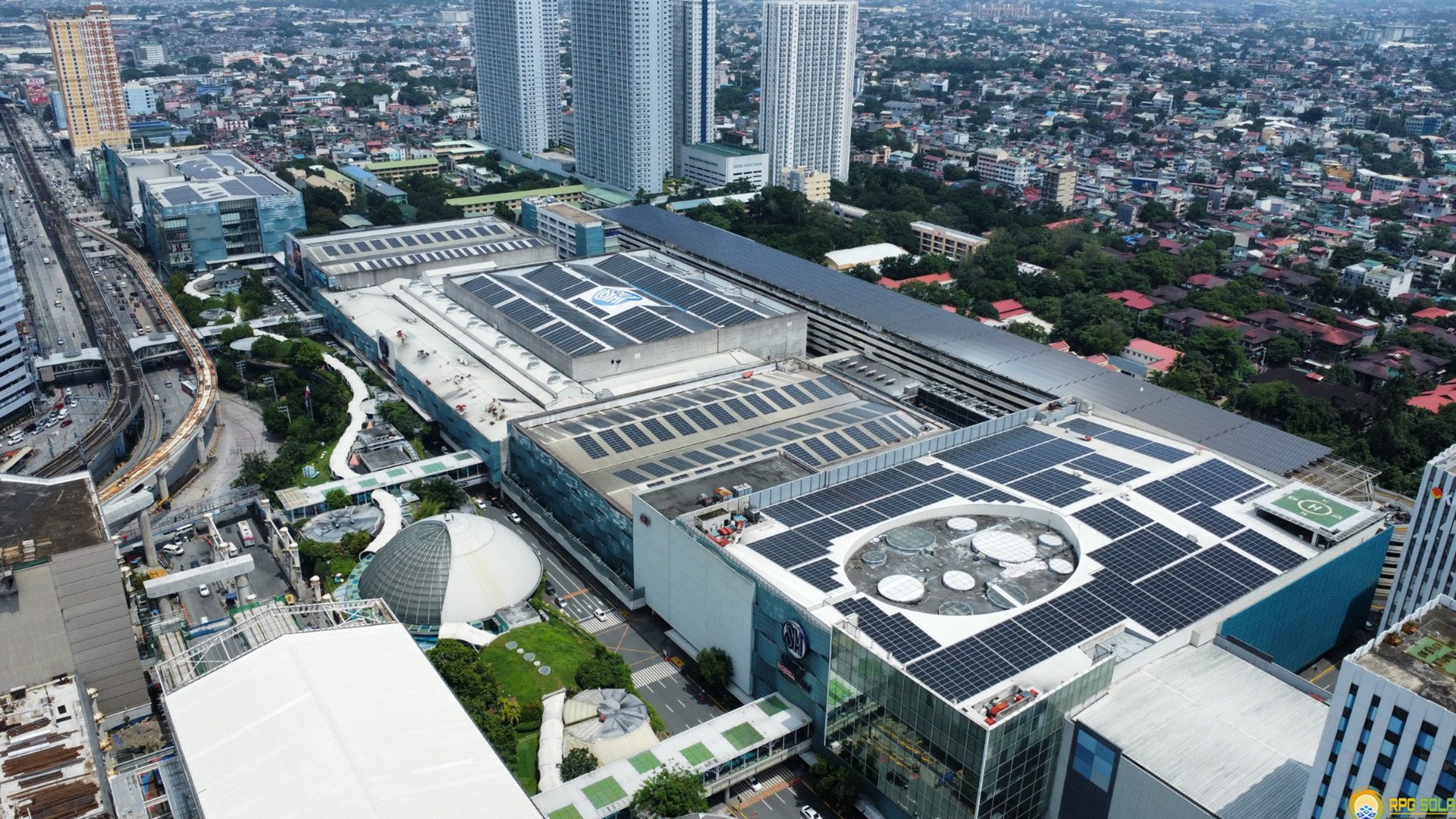
Import Data Reflects Market Growth
Chinese panel shipments to the Philippines rose by nearly one-third in May despite a 13% overall decline in Chinese exports following a tax rebate removal. China accounts for most global solar panel supply. The Netherlands remains a larger market on paper, but experts identified it as a transshipment hub rather than an end consumer. Solar currently accounts for under 4% of national power consumption according to government data.
Installation Costs and Payback Timeline
Adrian Sabatera, a 39-year-old software engineer, completed a P570,000 ($9,300) installation at his Manila residence after years of consideration as costs declined and electricity prices continued rising. Manila-based installer Philergy German Solar received more than 2½ times the number of customer inquiries in the first five months of this year compared to the previous year, at one point fielding 3,000 inquiries daily according to managing partner Jochen Staudter. Distributed solar capacity could nearly triple to 3,500 megawatts in two years, matching the current utility-scale solar fleet size, as loan payback times shrink to 3.1 years from 4 years, said Alnie Demoral, analyst at energy think tank Ember.
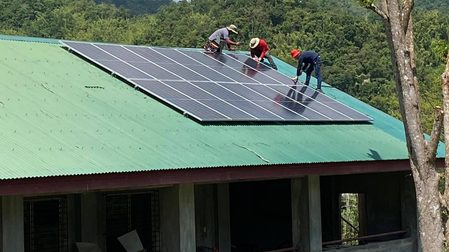
Supply Chain and Policy Barriers
Installations lag behind demand due to component hoarding, volatile equipment costs and inadequate quality checks, said Brenda Valerio, Philippines director at New Energy Nexus. The government provides loans for solar of up to P500,000 at 5% interest, below market rates, but excludes private-sector workers. High upfront costs typically exceed average annual household incomes of P353,200, creating a barrier despite shortened payback periods. Exchange rate: $1 = P61.2870.
FAQ
What drove the Philippines to become the world's largest solar panel importer?
Meralco raised electricity prices by 10% since the Middle East conflict began in late February, pushing median households to spend 12% of monthly income on 200 kilowatt-hours of consumption. This resulted in $407 million in solar panel imports over three months through May, a 145% increase from the previous year.
How much does a residential solar installation cost in the Philippines?
Installation costs typically exceed average annual household incomes of P353,200. Adrian Sabatera paid P570,000 ($9,300) for his system, while Jason Porciuncula installed a 12-kilowatt system with battery storage. Loan payback times have shrunk to 3.1 years from 4 years according to Ember analyst Alnie Demoral.
What barriers prevent wider solar adoption in the Philippines?
Government loans of up to P500,000 at 5% interest exclude private-sector workers. Installations lag behind demand due to component hoarding, volatile equipment costs and inadequate quality checks according to New Energy Nexus Philippines director Brenda Valerio. High upfront costs remain prohibitive despite shortened payback periods.


