





#Gate广场四月发帖挑战
Is it another fleeting moment? - Analysis of the BLESS Price Surge
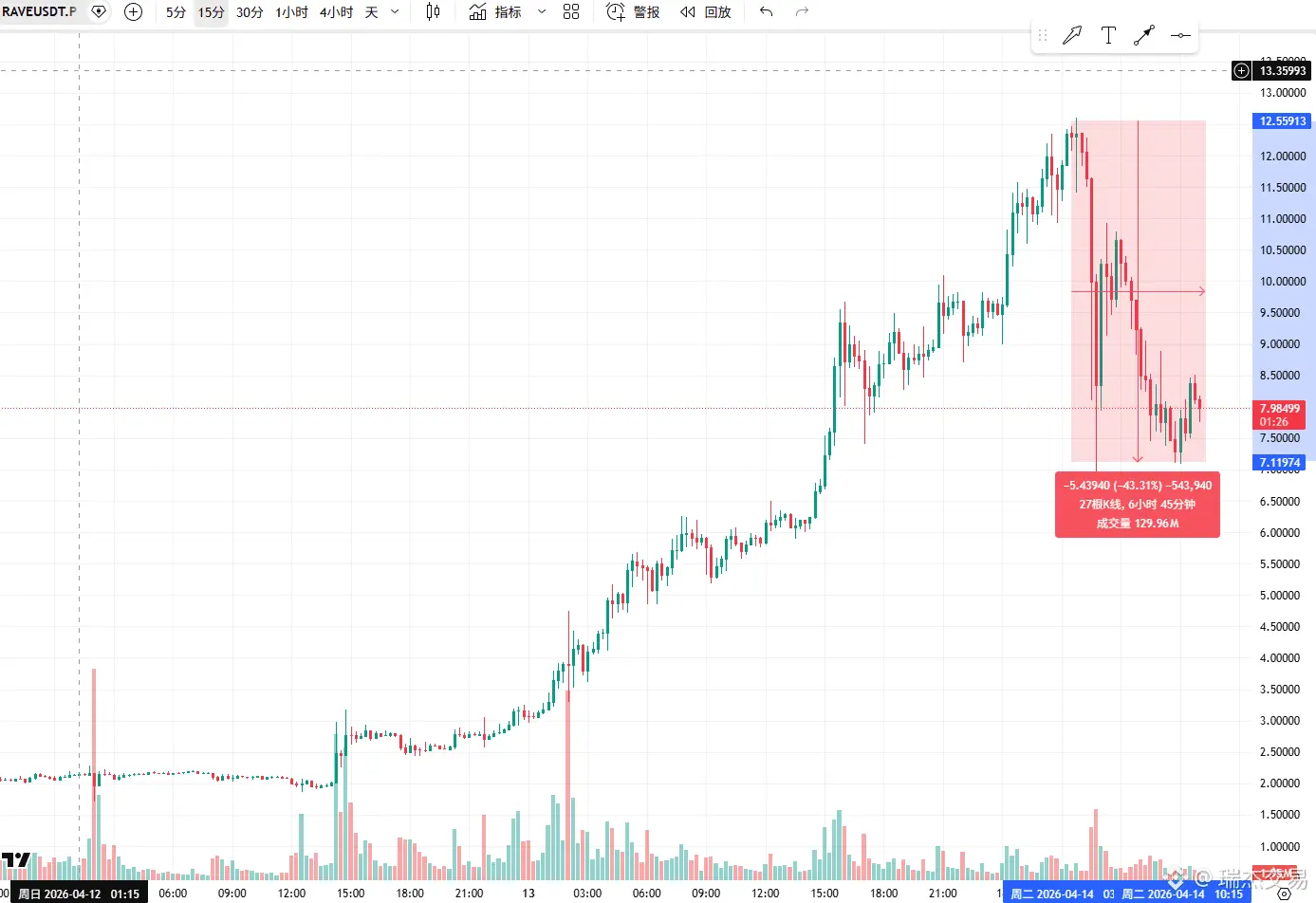
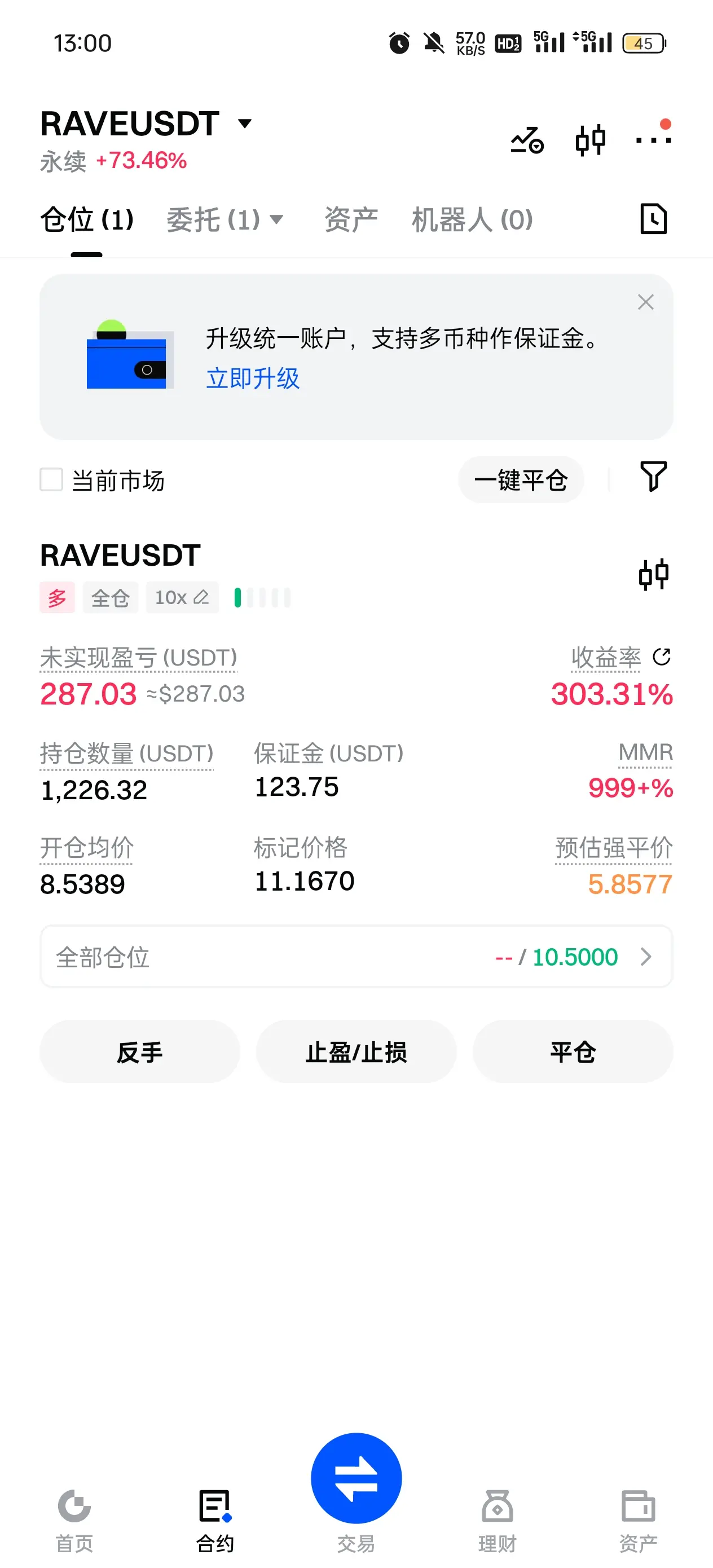
Last night, RAVE experienced high-level fluctuations, with funds flowing out, and BLESS followed suit, surging this morning to a high of $0.37482, a 300% increase within the range, then sharply falling back. Notably, from the daily chart, previous price rallies of BLESS also showed sudden spikes followed by quick drops, resembling a “flash in the pan” pattern. Will this time be the same? How are BLESS’s fundamentals? Is it a good time to buy the dip? Let’s take a look!
BLESS Project Overview
BLESS is the core utility token driving the Bless Network ecosystem, which itself is a decentralized edge computing platform aimed at disrupting traditional resource utilization models. Established in 2022 and headquartered in San Francisco, USA, it was originally called Blockless. Its vision is to build a “shared global computer,” aggregating idle computing power from laptops, desktops, smartphones, and other everyday devices worldwide to provide on-demand resources for AI, machine learning, data processing, and other compute-intensive tasks.
Core Advantages
1. Decentralized Edge Computing: Breaking the Cloud Monopoly
Bless Network leverages the idle resources of millions of users worldwide (such as PCs, MacBooks, smartphones) to push computing tasks closer to users at the “edge nodes,” avoiding the high latency and costs associated with traditional centralized data centers. This “user-as-node” model not only significantly improves resource utilization but also achieves a 90% cost reduction, providing cost-effective computing power for AI inference, real-time applications, and more.
2. WASM Secure Sandbox: Ensuring User Device Security
All computing tasks run within isolated environments based on WebAssembly (WASM), ensuring that code cannot access user privacy data or core system resources. This mechanism guarantees network computing capabilities while alleviating privacy and security concerns for ordinary users participating as nodes, greatly lowering the participation barrier.
3. Intelligent Task Scheduling and Anti-Attack Design
The network incorporates dynamic resource matching algorithms that automatically allocate tasks to the optimal nodes based on requirements such as geographic location, computing power type, and latency. Additionally, it employs anti-Sybil attack mechanisms (like Gregory-Latin square algorithms) to randomize task distribution, preventing malicious nodes from manipulating the network, thus ensuring stability and trustworthiness.
Token Economics Model
The total supply of BLESS tokens is 10 billion, with 1.84B in circulation and a market cap of $33 million. BLESS uses a dual-token model, where TIME is a points token during the testnet phase, earned by running nodes and staying online; after mainnet launch, it can be exchanged for BLESS tokens. BLESS is the core protocol and governance token of the network.
Token distribution considers various aspects of ecosystem development:
Community Incentives (35%): Rewards for nodes contributing idle computing resources, encouraging ecosystem growth and active participation;
Ecosystem/Foundation (about 20%): Supporting ecosystem project development, partnerships, marketing, etc.;
Investors (about 17%): Allocated to early-stage institutional and individual investors to fund project launch and growth;
Team (15%): Incentivizing core team members to ensure long-term stability and development;
Airdrops (10%): Distributed via airdrop campaigns to community users to enhance token liquidity and community influence;
Advisors (3%): Allocated to project advisors for their professional guidance and support.
Additionally, Bless Network has designed a unique value capture mechanism: when developers deploy applications and services on the network, 90% of the fees paid will be used to buy back BLESS tokens from the secondary market and permanently burn them, with the remaining 10% going into the treasury for ecosystem development. This deflationary mechanism will reduce circulating supply as network usage increases, potentially providing long-term support for the token’s price.
Application Scenarios
- Network transactions and fee payments
- Staking and network security
- On-chain governance and community participation
- Ecosystem incentives and node contribution rewards
- Cross-chain compatibility and ecosystem expansion
Secondary Market Performance and Future Outlook
Today, after a rapid surge, BLESS experienced a straight decline. From the 4-hour chart, the latest candle has completely engulfed the previous 4-hour gains, forming a hammer-like bearish engulfing pattern, indicating potential further downside in the short term. On the daily chart, support is around $0.014. Those looking to buy the dip can consider positioning with stop-losses in place! That’s all for now. Wishing everyone daily prosperity!
Is it another fleeting moment? - Analysis of the BLESS Price Surge
Last night, RAVE experienced high-level fluctuations, with funds flowing out, and BLESS followed suit, surging this morning to a high of $0.37482, a 300% increase within the range, then sharply falling back. Notably, from the daily chart, previous price rallies of BLESS also showed sudden spikes followed by quick drops, resembling a “flash in the pan” pattern. Will this time be the same? How are BLESS’s fundamentals? Is it a good time to buy the dip? Let’s take a look!
BLESS Project Overview
BLESS is the core utility token driving the Bless Network ecosystem, which itself is a decentralized edge computing platform aimed at disrupting traditional resource utilization models. Established in 2022 and headquartered in San Francisco, USA, it was originally called Blockless. Its vision is to build a “shared global computer,” aggregating idle computing power from laptops, desktops, smartphones, and other everyday devices worldwide to provide on-demand resources for AI, machine learning, data processing, and other compute-intensive tasks.
Core Advantages
1. Decentralized Edge Computing: Breaking the Cloud Monopoly
Bless Network leverages the idle resources of millions of users worldwide (such as PCs, MacBooks, smartphones) to push computing tasks closer to users at the “edge nodes,” avoiding the high latency and costs associated with traditional centralized data centers. This “user-as-node” model not only significantly improves resource utilization but also achieves a 90% cost reduction, providing cost-effective computing power for AI inference, real-time applications, and more.
2. WASM Secure Sandbox: Ensuring User Device Security
All computing tasks run within isolated environments based on WebAssembly (WASM), ensuring that code cannot access user privacy data or core system resources. This mechanism guarantees network computing capabilities while alleviating privacy and security concerns for ordinary users participating as nodes, greatly lowering the participation barrier.
3. Intelligent Task Scheduling and Anti-Attack Design
The network incorporates dynamic resource matching algorithms that automatically allocate tasks to the optimal nodes based on requirements such as geographic location, computing power type, and latency. Additionally, it employs anti-Sybil attack mechanisms (like Gregory-Latin square algorithms) to randomize task distribution, preventing malicious nodes from manipulating the network, thus ensuring stability and trustworthiness.
Token Economics Model
The total supply of BLESS tokens is 10 billion, with 1.84B in circulation and a market cap of $33 million. BLESS uses a dual-token model, where TIME is a points token during the testnet phase, earned by running nodes and staying online; after mainnet launch, it can be exchanged for BLESS tokens. BLESS is the core protocol and governance token of the network.
Token distribution considers various aspects of ecosystem development:
Community Incentives (35%): Rewards for nodes contributing idle computing resources, encouraging ecosystem growth and active participation;
Ecosystem/Foundation (about 20%): Supporting ecosystem project development, partnerships, marketing, etc.;
Investors (about 17%): Allocated to early-stage institutional and individual investors to fund project launch and growth;
Team (15%): Incentivizing core team members to ensure long-term stability and development;
Airdrops (10%): Distributed via airdrop campaigns to community users to enhance token liquidity and community influence;
Advisors (3%): Allocated to project advisors for their professional guidance and support.
Additionally, Bless Network has designed a unique value capture mechanism: when developers deploy applications and services on the network, 90% of the fees paid will be used to buy back BLESS tokens from the secondary market and permanently burn them, with the remaining 10% going into the treasury for ecosystem development. This deflationary mechanism will reduce circulating supply as network usage increases, potentially providing long-term support for the token’s price.
Application Scenarios
- Network transactions and fee payments
- Staking and network security
- On-chain governance and community participation
- Ecosystem incentives and node contribution rewards
- Cross-chain compatibility and ecosystem expansion
Secondary Market Performance and Future Outlook
Today, after a rapid surge, BLESS experienced a straight decline. From the 4-hour chart, the latest candle has completely engulfed the previous 4-hour gains, forming a hammer-like bearish engulfing pattern, indicating potential further downside in the short term. On the daily chart, support is around $0.014. Those looking to buy the dip can consider positioning with stop-losses in place! That’s all for now. Wishing everyone daily prosperity!